.webp)


.jpg)
Our team is dedicated to finding and telling you more about the web’s best products. If you purchase through our links, we may receive a commission. Our editorial team is independent and only endorses products we believe in.
Anyone else stressed about sleep?
Everyone I know is running around with tracking devices, flashing their sleep scores and resting heart rates at each other like they’re exchanging secret trades about the stock market. Some are winning, escaping dinners early like they, themselves, are a baby in sleep training trying to maintain consistent data, while others are riddled with regret after seeing that last night’s wine is—in fact—something they’ll have to give up if they’re going to stay in the biohacking race towards the longevity revolution.
But there’s a reason everyone is obsessing over sleep hygiene these days. Aside from the fact that it feels really good to simply “get rest,” our understanding of the long-term effects of chronically undersleeping, or getting poor-quality sleep consistently, has expanded greatly—especially with burnout on the rise.
Given that a new season (and daylight savings) is upon us, which invariably means a shift in our circadian rhythms once more, I begged Board-Certified Physician + Certified Clinical Sleep Specialist Dr. Angela Holliday-Bell to engage in some serious pillow talk about the importance of high-quality sleep and the best ways to optimize our zzzs for spring.
We like
We don't like
The Health Behind Sleep Hygiene
If you’re on social media or in a pike position in different pilates studios in Los Angeles, you’ll hear tight-foreheaded, poreless faces telling you that sleep is actually number one on their beauty routines. While trite, there is truth to the claim that sleep is one of the most powerful tools and biomarkers for our long-term health and aging outcomes.
Dr. Angela shared that sleep “affects nearly every system in the body. It influences heart health, metabolic health, immune function, mood, and cognitive performance. As research grows, we are seeing that poor sleep is not just a symptom of health issues, but is often a driver of them. That is why sleep is now viewed as a key pillar of long-term health alongside nutrition and movement.”
But how do we make sure we’re getting enough sleep?

Quantity or Quality: The Sleep Conundrum
I find the sleep conversation to be—at times—challenging.
As a self-proclaimed, self-experienced night owl, getting around six-to-seven hours of sleep per night, I’m in a constant state of panic about whether or not I’m getting enough REM. I cannot figure out the math on finishing eating early enough to get to bed before 10pm while also engaging in a full wind-down routine that may or may not include answering all bold emails. Do I have more energy than my peers? Or am I just rapidly locking into cell death, turning into a sunken Babadook? As my mom says, “I am who I am!”
Dr. Angela wants everyone to put the over-fixation on sleep quantity to bed.
“When it comes to sleep, quality matters more than quantity. You can improve sleep quality by creating consistency in your sleep environment and routines.” Some tips to help support deeper, more restorative sleep include:
- Keeping a regular wake time
- Limiting caffeine later in the day
- Dimming lights in the evening
- Maintaining a cool, comfortable sleep space
She reassured me that sleep needs vary, and there is no one-size-fits-all number, with the average adult typically needing between seven-to-nine hours of sleep nightly. Dr. Angela emphasized that it is important to figure out what your individual number is. “What matters most is how you feel—waking up rested and restored and being able to stay alert and function well throughout the day.”
Seasonal Shifts and Our Sleep Patterns
Although I’ve always viewed seasonal transitions in a more ethereal light, Dr. Angela explained how specific shifts in actual light affect our circadian rhythms and energy levels.
“Longer daylight hours in the spring can shift sleep timing later by keeping you more alert in the evenings. Conversely, in the winter when there is less natural light, circadian rhythms can become delayed or misaligned. When these rhythms are disrupted, some people notice mood changes and sleep disturbances, along with effects on energy levels, metabolism, immune function, and overall cardiovascular health.”
I asked how long it takes for people to adjust to these slight shifts, and Dr. Angela advised that most people adjust within one-to-two weeks, but it just depends on how much their routine changes. Regardless of any shifts in appetite, energy, or sleep timing, she suggests staying consistent with light exposure and sleep timing to help the body adapt more quickly.

How to Optimize Your Spring Zzzs
When it comes to taking everything we’ve just talked about and putting it into an action plan, Dr. Angela wants us to focus on the outside (literally) as much as the inside (also literally).
On light exposure: “As daylight hours extend, be more intentional about how you manage light exposure. Lower lights in the evening while at home and dim them closer to bedtime so your brain can start producing melatonin. At the same time, mornings may still feel darker, especially right after the time change, so try to get natural light exposure soon after waking to help anchor your body clock.”
On exercise: “Regular movement during the day, balanced meals, and limiting caffeine later in the afternoon can also make the transition into spring feel smoother for your sleep.”
On recommended nutrients: “Nutrients like magnesium, potassium, and tryptophan containing foods can support relaxation and sleep regulation. Leafy greens, nuts, seeds, dairy, and whole grains provide nutrients that help support muscle relaxation and healthy sleep cycles when part of a balanced diet.”
On topical products: “Topical products can support relaxation as part of a bedtime routine, though they are not a replacement for healthy sleep habits. Including them in a calming nightly routine can act as a cue for sleep, helping your brain associate those steps with winding down. Look for products with soothing textures or scents that encourage relaxation and help create a consistent pre-sleep ritual.”

Winding Down the TQE Way
After sleeping on Dr. Angela’s incredible breadth of knowledge, I found myself thinking of my favorite, most recommended products for supporting better, faster, deeper sleep as a part of a complete wind-down routine. Spoiler: You’ll be shocked by all the different delivery systems for magnesium, the royal mineral for calming the F down.
For Your Evening Support
Some of our favorite wellness brands are creating thoughtful, potent, and highly synergistic blends to target sleep and produce a more adaptable system, so you can feel at ease even when you’re awake—no Rx or melatonin necessary.


This brand is the real deal (and I say that as someone who is a certified holistic nutritionist—I know what you’re thinking!). This botanical tincture has some incredible stress-free, sleepytime stand-out ingredients like saffron, calendula, chamomile, lemon balm, and red reishi for a synergistically beautiful dropperful of calm.
We like
We don't like

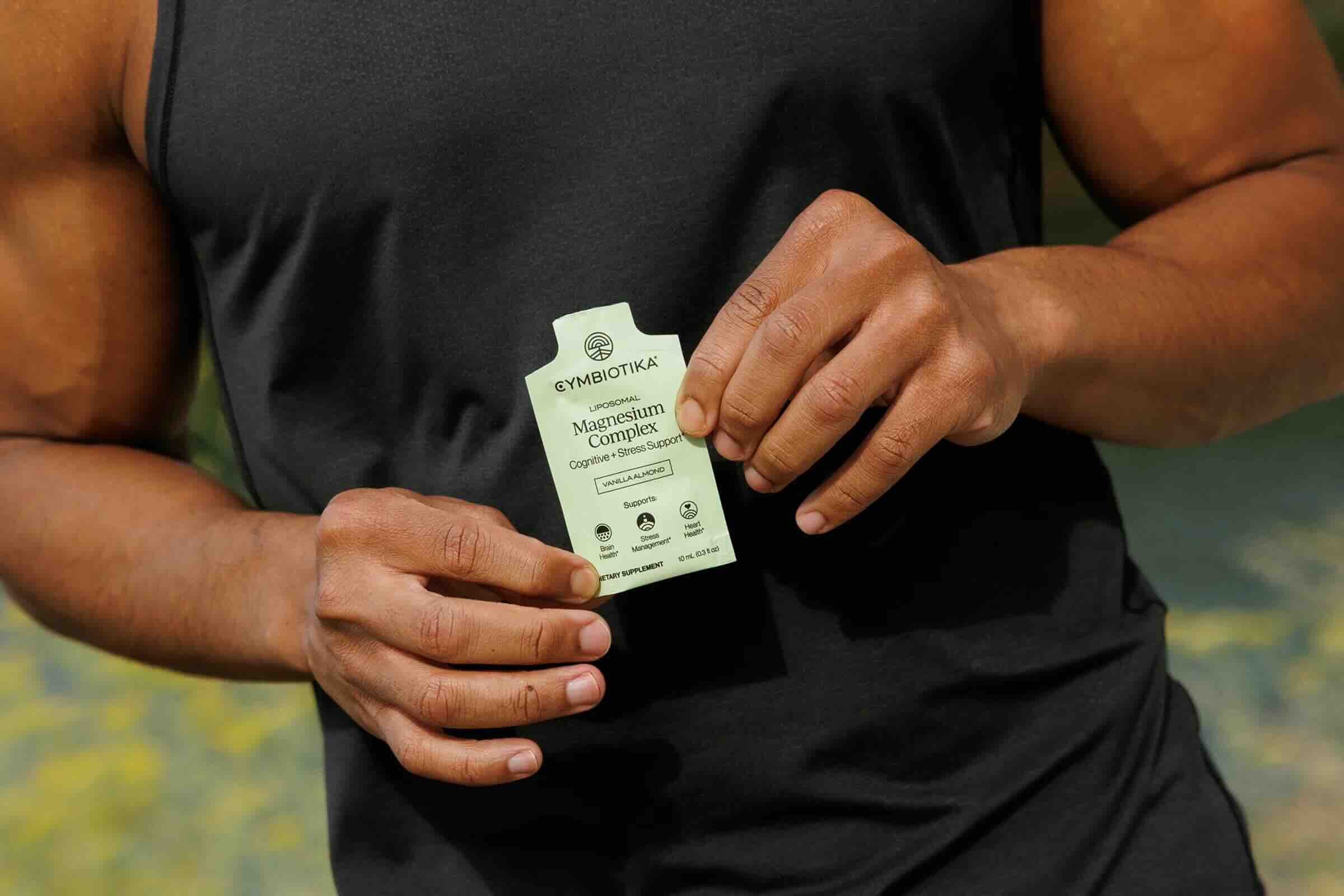
Cymbiotika has become renowned for transforming essential nutrients into extremely bioavailable, effective formulas. This “mag” contains three forms—magnesium taurate, bisglycinate, and GIVOMAG™ Magnesium Glycerophosphate, which are stomach‑friendly and work together to support heart health, brain function, muscle relaxation, and stress levels.
We like
We don't like
For Your Body Care Wind-Down
Did you know that evening self-care rituals are proven to aid in rest and relaxation? The below mentionables are uniquely designed to enhance your daily come-down while upleveling your outward glow.

Your skin deserves rest too. OSEA’s latest dreamscape in skincare and body care is leading with bio-retinol and red seaweed for the ultimate soothing appeal while you sleep. The body serum (which I have used extensively) includes other calm-inducing ingredients like magnesium and lavender to create a full-body experience to deactivate your senses (while activating your senses, if you know what I mean). Their newest Dream Lip Mask™ with Bio-Retinol is the perfect pair for overnight lip recovery.
We like
We don't like
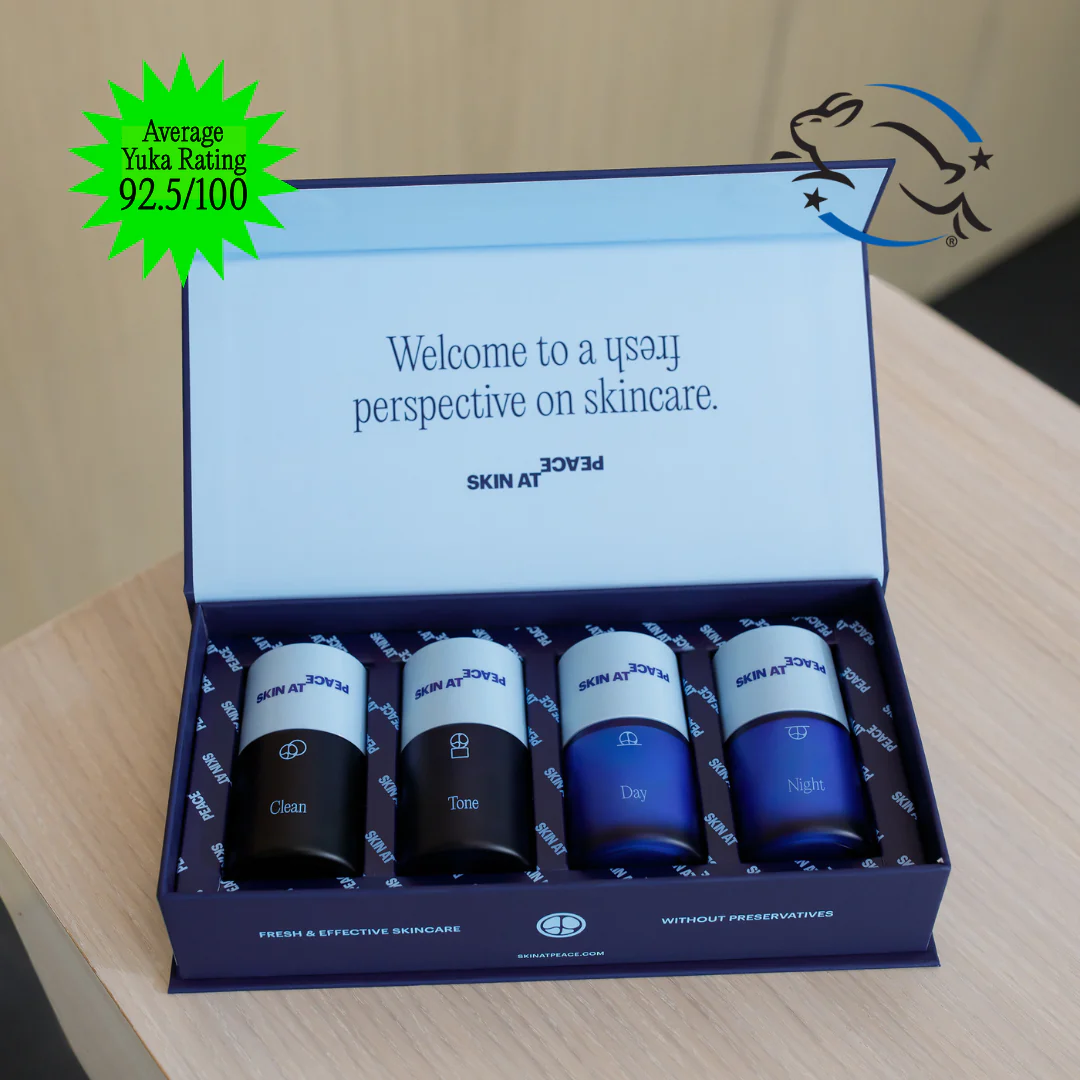
This concept is absolutely bananas and I’m obsessed. Like a truly authentic bottle of olive oil, this system comes with an expiration date because each batch is made with clean ingredients and zero preservatives. It’s a simple three-step process that is as simple as it is powerful—perfect for barrier recovery overnight.
We like
We don't like
For the Bedroom
Getting good, deep REM (and fast) means being like Cameron Diaz in Love Actually, and hacking your bedroom to support your sleep temp, light sensitivities, and overall comfort. *Claps* Lights off!

If your current phone alarm results in you grabbing your chest every morning in a panic, you’re not alone. I’ve been using the Loftie Clock for years now, and it has completely changed how I start my day. You can set the alarm from your phone, which means you can place your phone in a completely different room, and then find yourself woken up to light-touch sounds that increase in volume as you wake up. Think: binaural beats.
We like
We don't like
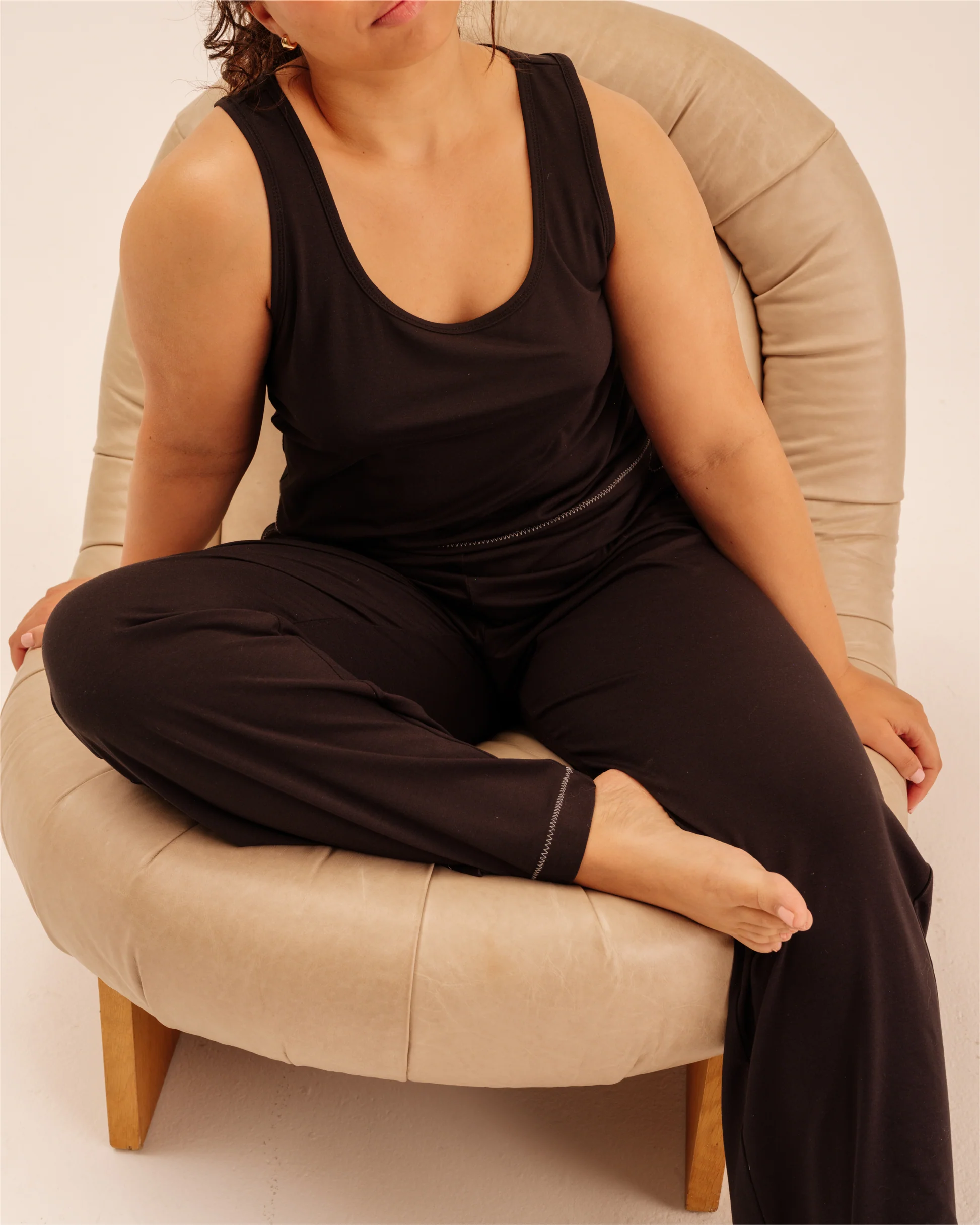
Temperature has a lot to do with how well we sleep. In fact, the ideal room temperature for sleep is generally between 60°F-67°F. Arid Blayne has designed all of their sleepwear using a OEKO-TEX chemical-free and certified as safe fabric that’s been engineered to wick away moisture and lower your skin temp throughout the night. It also provides just enough coverage, so you don’t feel too cool, making it versatile enough for chillier and warmer months.
We like
We don't like
For Your Bedtime Biohacking
We know that placing yourself in an air-tight biochamber filled with hydrogen is probably unlikely, but that doesn’t mean there aren’t great long-term solutions for adopting new habits to optimize your sleep.
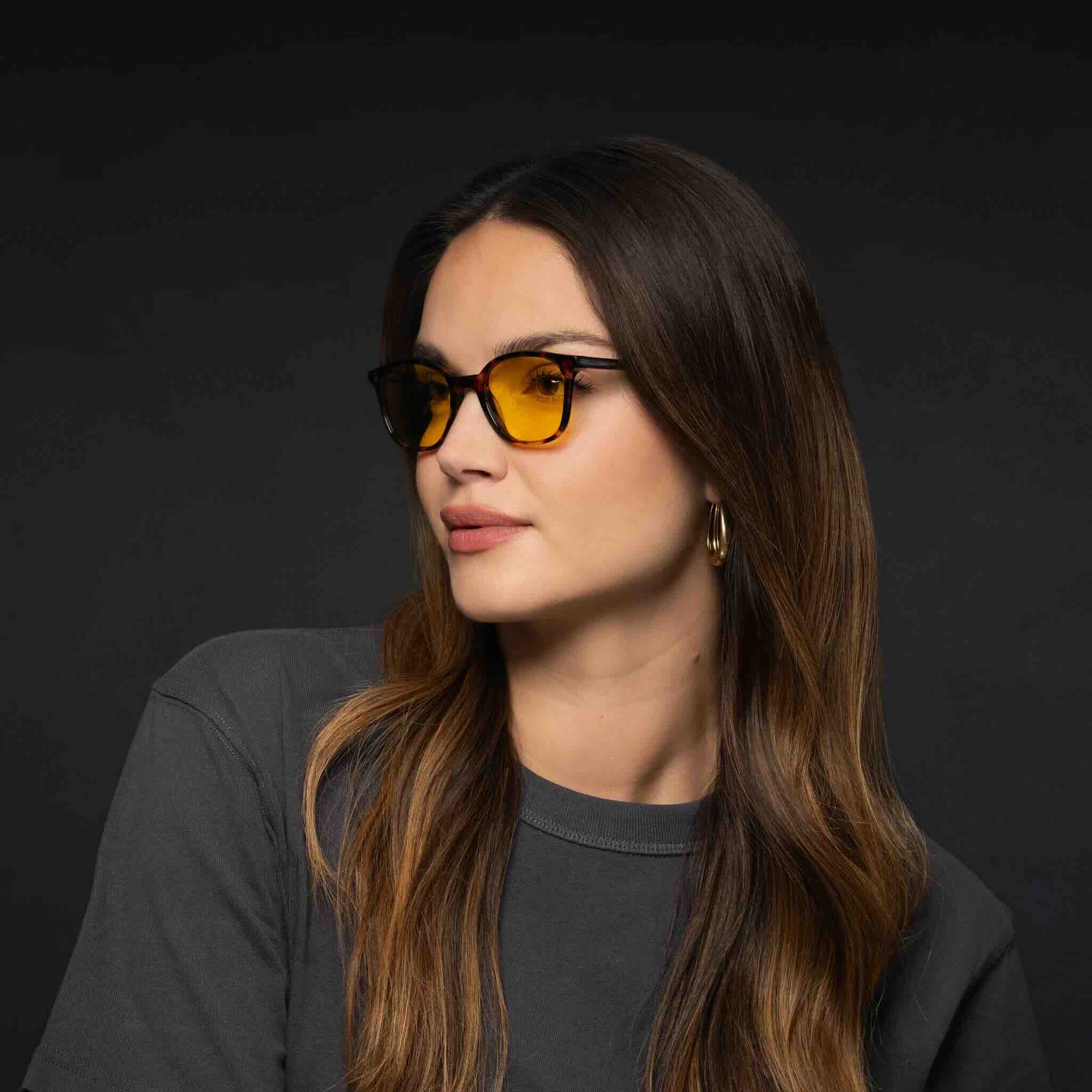
Fact: the intense exposure we have to blue light on a daily basis from our screens and artificial lighting is destroying our melatonin production. While living by candlelight in the evening would be ideal, I acknowledge that we 1) no longer live in the Dark Ages and 2) still need our screens. These yellow-lens, blue light-blocking glasses have completely transformed my evening routine, and therefore my sleep. No eye strain, no sleep disruption, and no screen-based headaches.
We like
We don't like
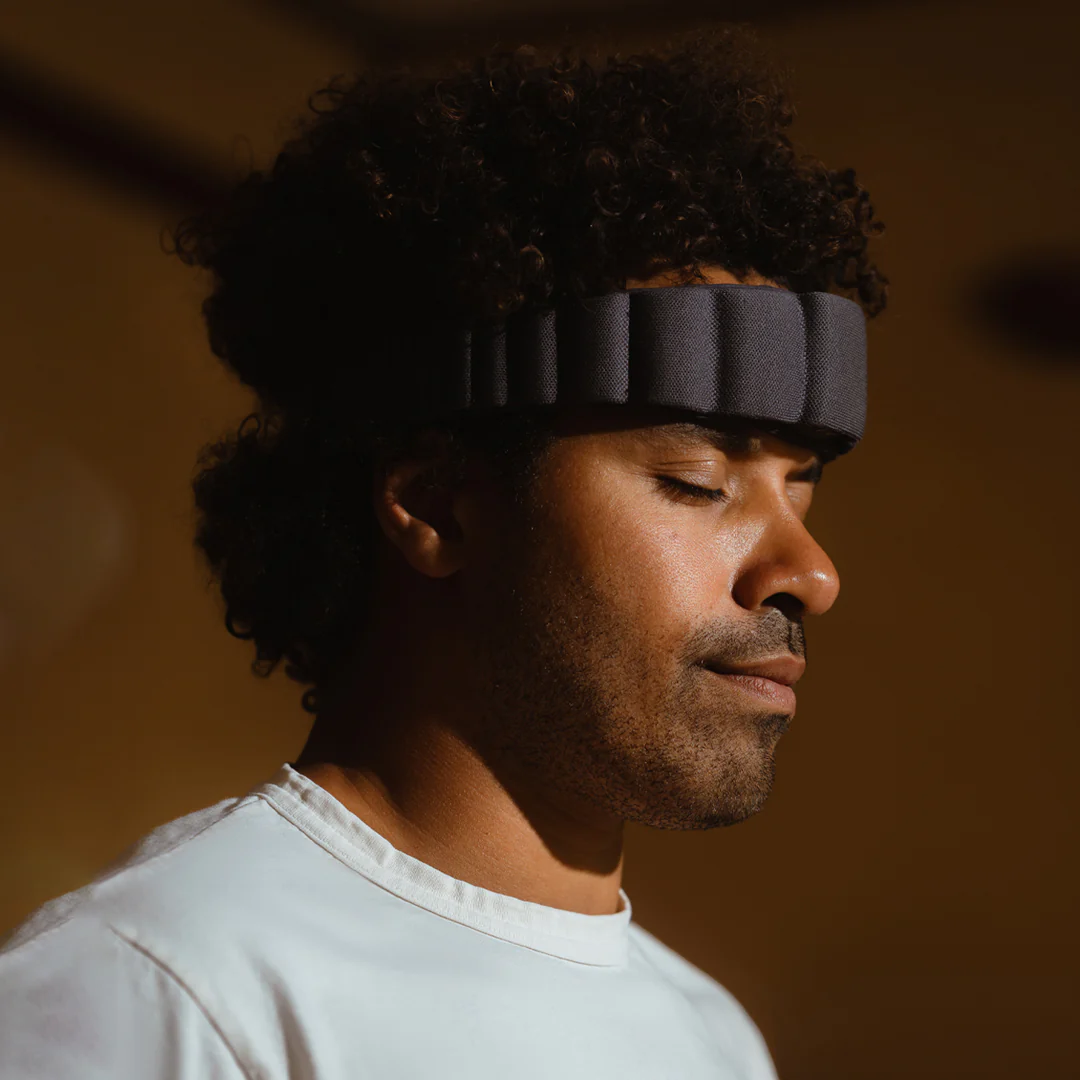
This award-winning headband is the newest thing in sleep technology, and that’s because it was developed by world-leading neuroscientists. You receive personalized neurostimulation that adapts to your unique brain rhythms with clinical-grade, EEG-based insights that speak to your unique sleep quality. The results? Faster, longer, deeper sleep in just 15 minutes before bed.
We like
We don't like
For Your Caffeine Addiction
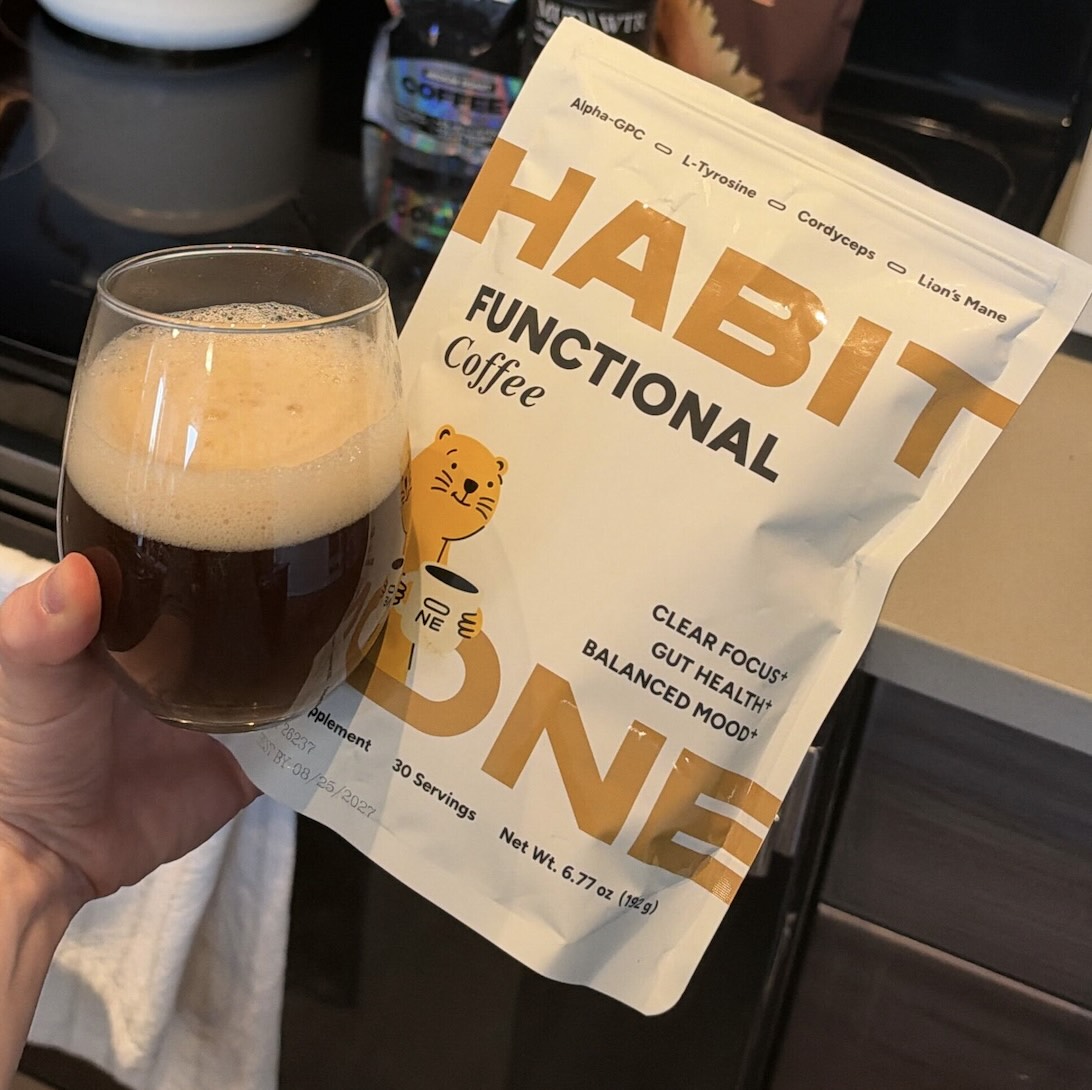
Caffeine is a hot topic when it comes to disrupting high-quality zzzs. Below, you’ll find the perfect solutions to your 3pm pick-me-up for more stable energy levels throughout the day, so you can fall asleep easier when it matters most.
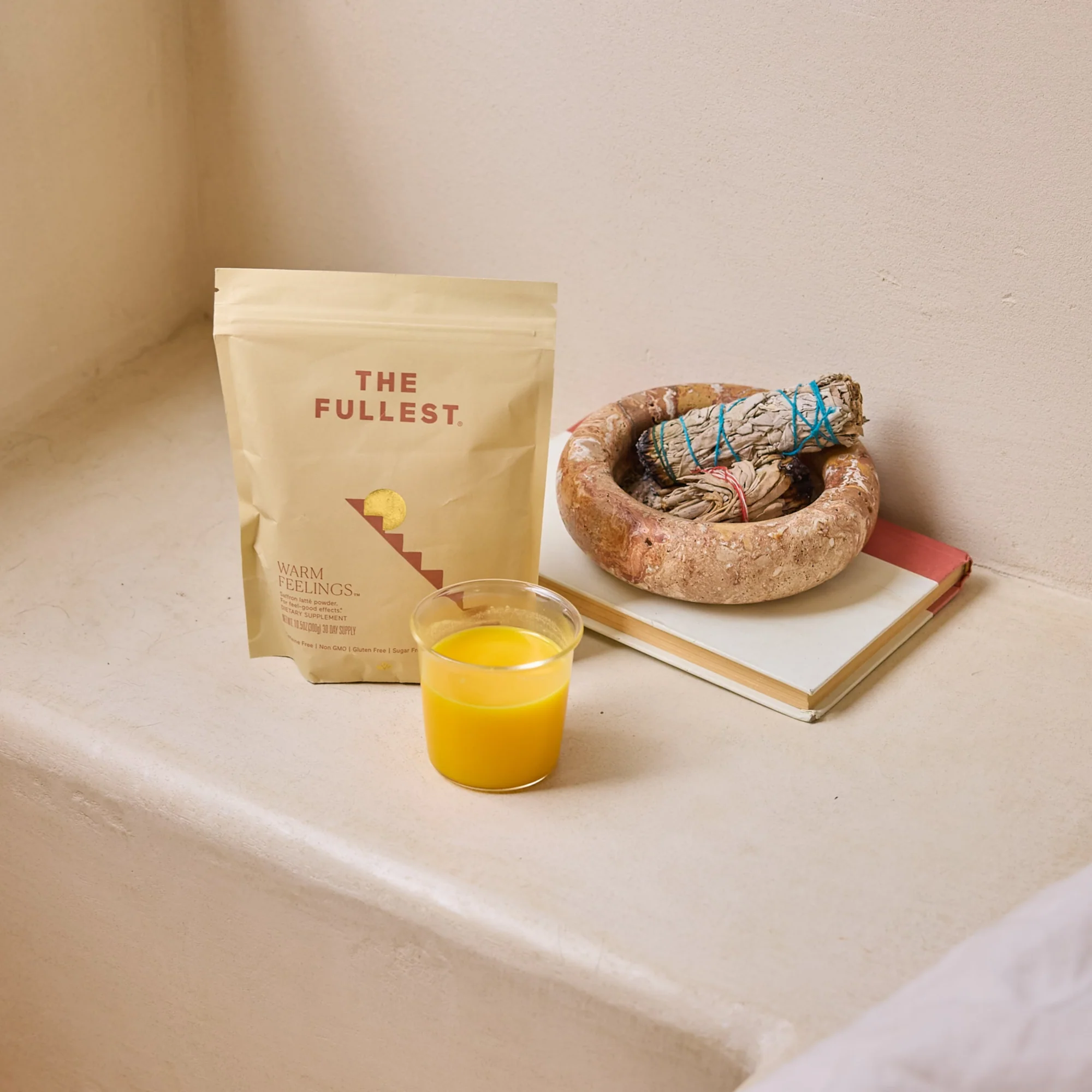
With studies showing that it can be a potential alternative to SSRIs in treating anxiety and depression, saffron is finding its way into more and more spaces in the wellness world. The Fullest is making the most of this ancient spice with a caffeine-free latte mix that has been formulated with a therapeutic dose of 150mg of raw, high-grade saffron threads. Its soothing, anti-inflammatory properties can help improve mood, sharpen focus, and foster restorative sleep.
We like
We don't like
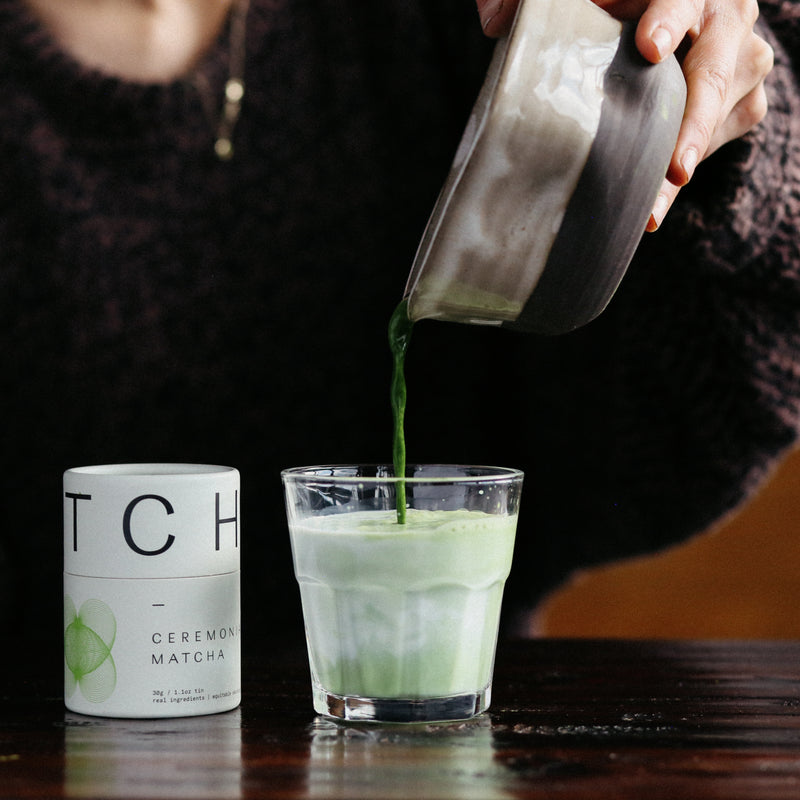
If you are going to opt for something more caffeine-centric, but don’t want the coffee jitters, it’s matcha all the way, baby. I’ve been falling deeply in love with Dona’s Ceremonial Grade Matcha. It comes from several small producers in Japan—hand-plucked, traditionally stone-milled, and air-freighted to ensure optimal freshness. It’s “super auth,” rich in antioxidants, and makes me feel energized sans crash.
We like
We don't like
.jpeg)
.jpg)