We like
We don't like
Our team is dedicated to finding and telling you more about the web’s best products. If you purchase through our links, we may receive a commission. Our editorial team is independent and only endorses products we believe in.
Growing up in a Sri Lankan household in Los Angeles, food was never just food – it was a full-on sensory experience. I fondly recall the sound of curry leaves crackling the second they hit hot oil, my turmeric-stained fingertips after eating a delicious cultural meal with my fingers, and the waft of cinnamon, cardamom, and black pepper drifting through the house. Those spices weren't reserved for recipes, either. They showed up everywhere as one-size-fits-all household staples that moved between cooking, medicinal remedies, hair care, and everyday rituals.
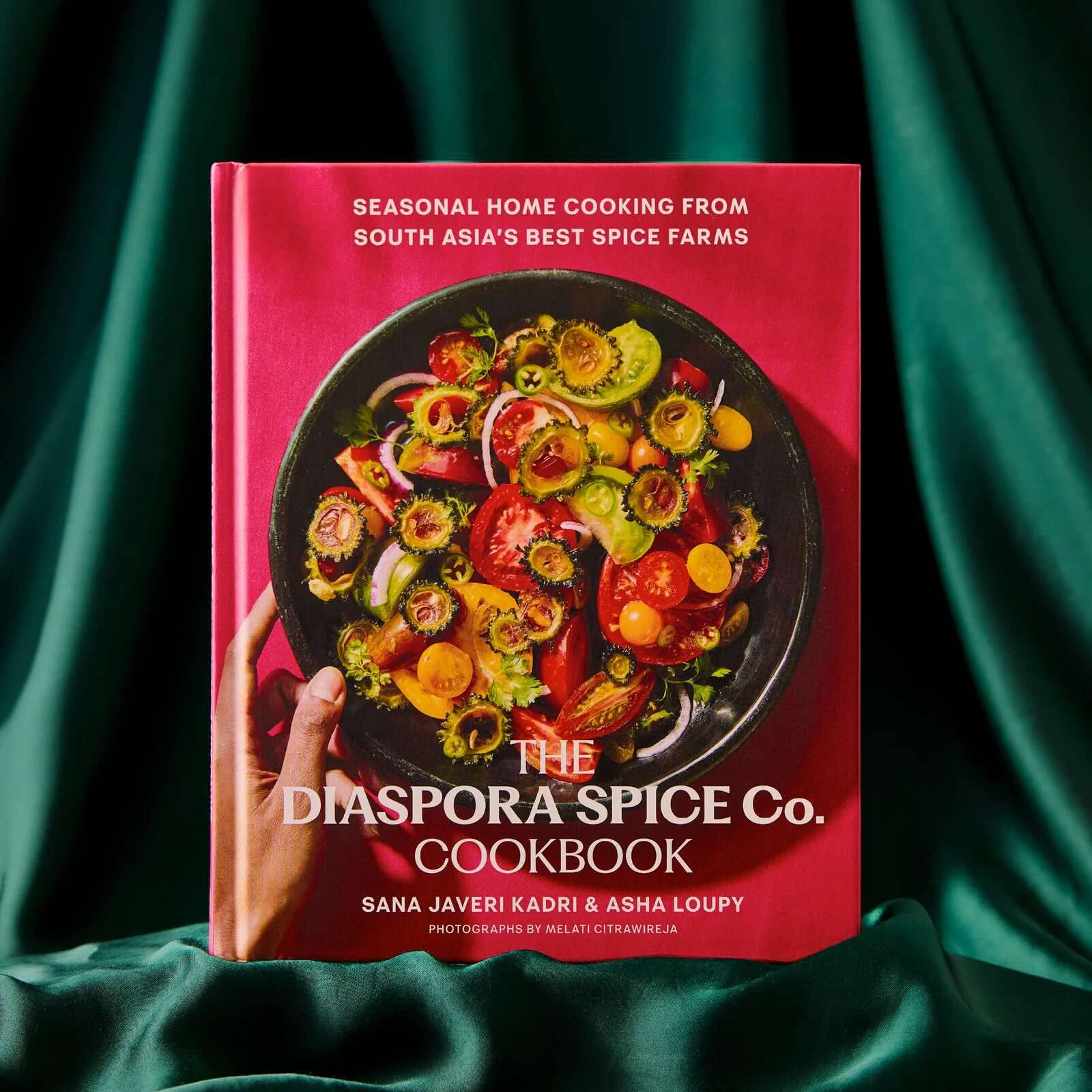
Today, many of those same ingredients are easier to find than ever before, appearing in everything from specialty spice shops to neighborhood grocery stores. Yet for many home cooks, knowing what to do with them is another story. That's what I appreciated most about Diaspora Co. The Cookbook. Rather than presenting South Asian cooking as intimidating or overly technical, it offers readers authentic, beginner-friendly ways to cook with ingredients they may already have in their pantry while introducing the stories and regions behind them.
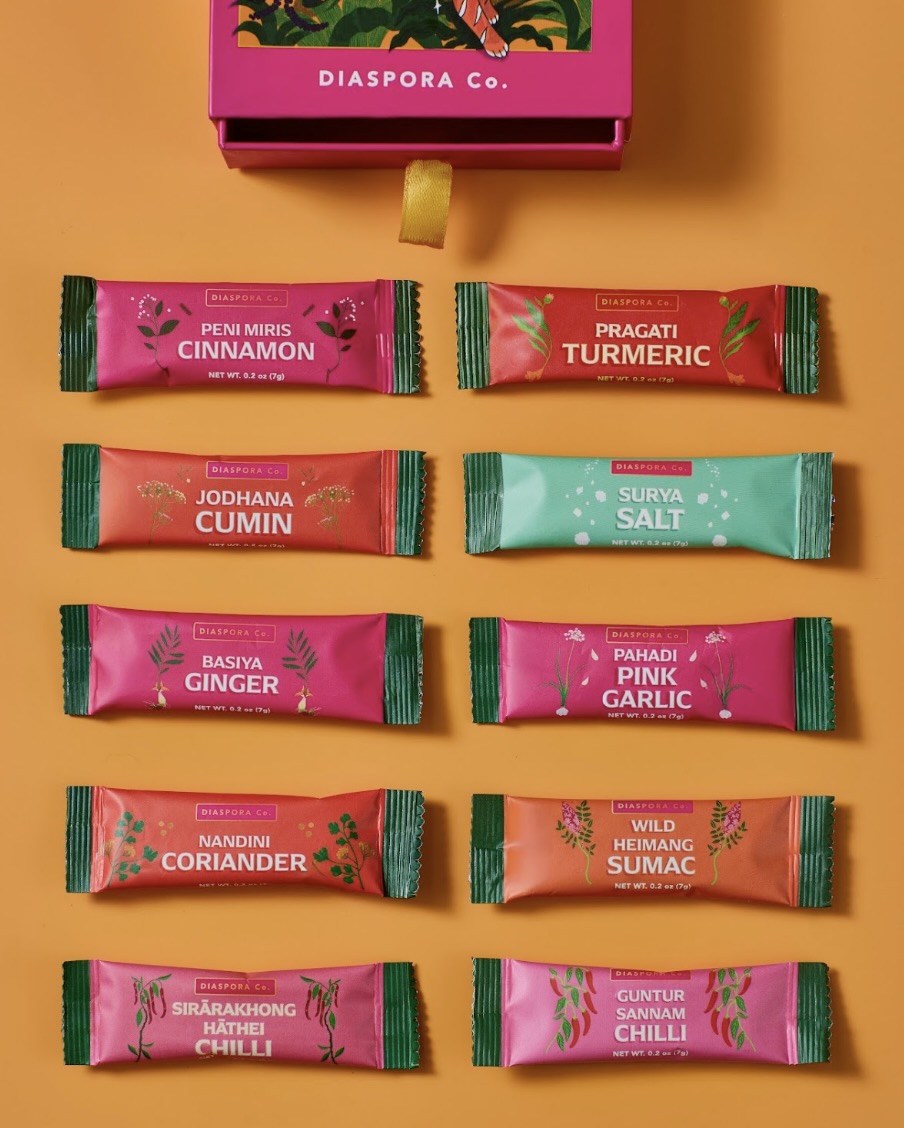
If you've wandered through the spice aisle at Whole Foods or spent any time in food circles online over the last few years, chances are you've come across Diaspora Co. Founded by Sana Javeri Kadri, the company built its following around sourcing vibrant single-origin spices directly from farmers across India and Sri Lanka. Their debut cookbook expands on that mission, moving beyond the spice jar to spotlight the regional recipes, stories, and traditions behind the ingredients. If you've been itching to spice things up in the kitchen (quite literally) this is a pretty great place to start!
Read below about a few recipes that caught my eye.
Kakuluwo Curry (Jaffna-Style Crab Curry)
The Kakuluwo Curry was the first recipe I bookmarked. Inspired by Jaffna-style crab curry, it's packed with the flavors I most associate with Sri Lankan cooking: black pepper, curry leaves, tamarind, and plenty of heat. While the recipe is approachable for home cooks, it still captures the boldness that makes Northern Sri Lankan food so memorable. For anyone unfamiliar with Sri Lankan cuisine, it's a strong introduction to a style of cooking that deserves far more attention than it receives.
As someone who is both Tamil and Sinhalese, I was especially excited to see Jaffna represented. Northern Sri Lankan Tamil cooking developed along the island's northern coastline, where seafood, spice trading routes, and local agriculture shaped a cuisine known for its intensity and depth. While Indian food has become increasingly visible in Western food media, Sri Lankan food often remains overlooked, making recipes like this feel especially valuable.
Jammy Egg Curry
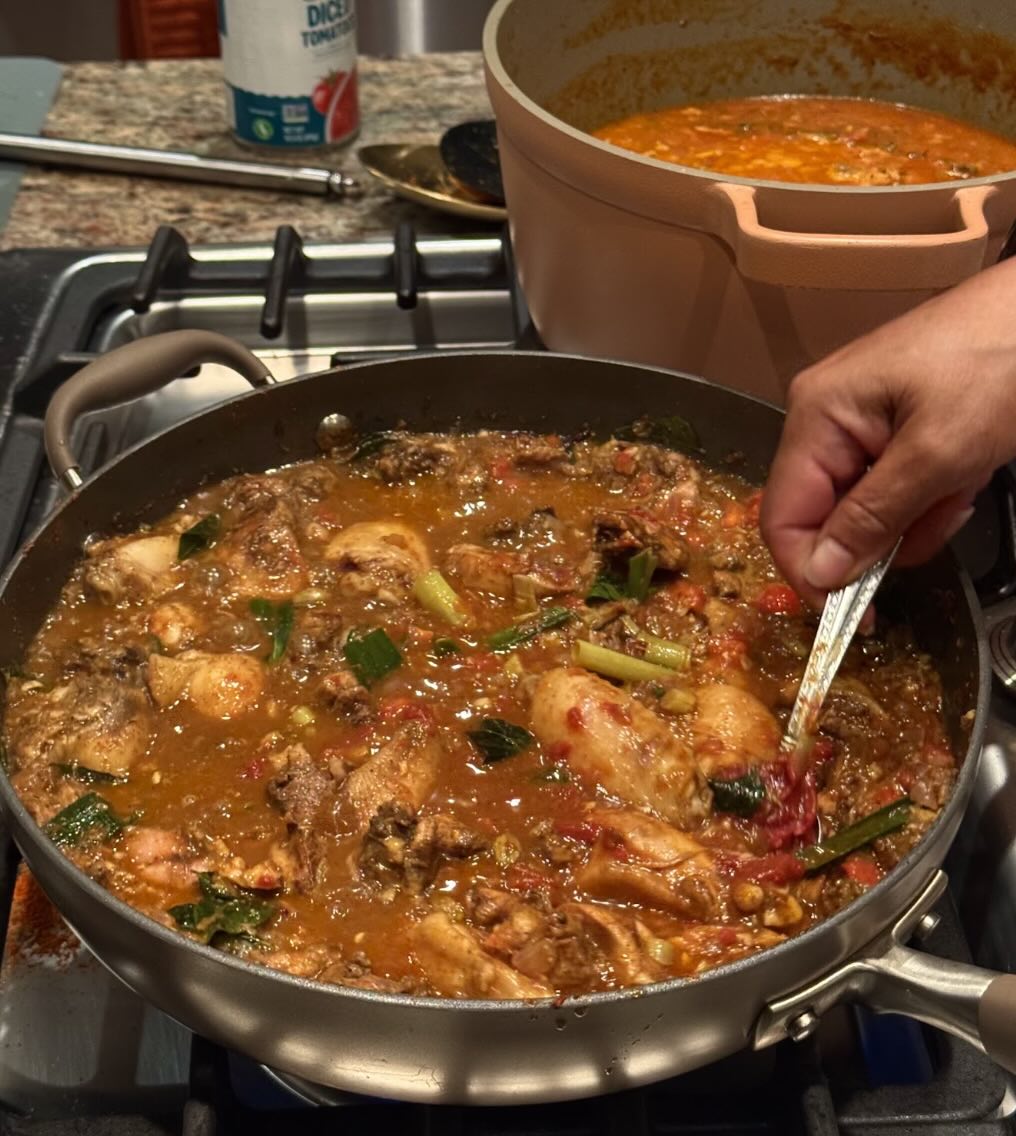
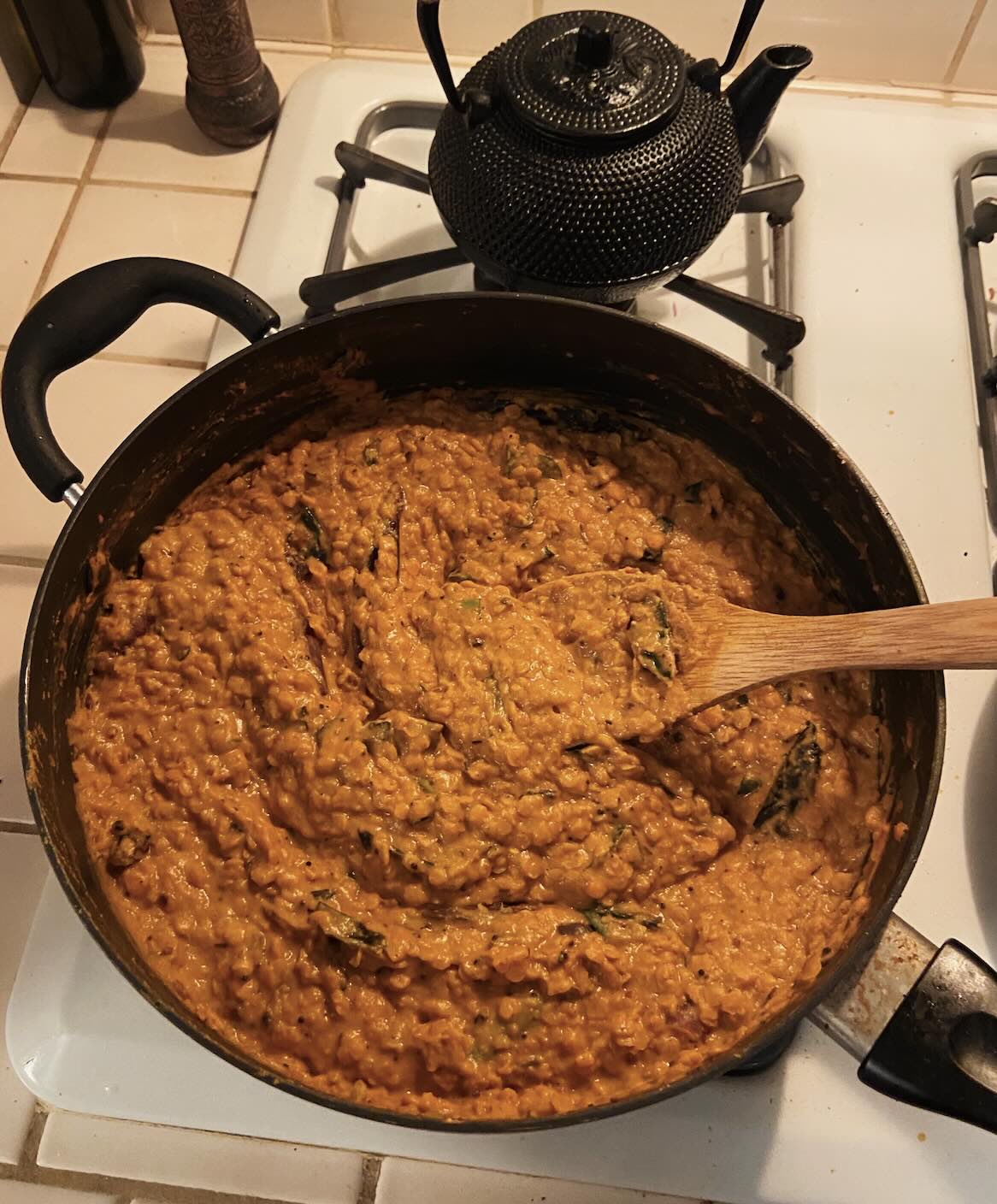
The Jammy Egg Curry is one of the recipes I would hand to someone who wants to start cooking South Asian food but doesn't know where to begin. Coconut milk, curry leaves, black pepper, and warm spices come together in a way that feels familiar and comforting rather than overwhelming. It's the kind of recipe that shows how a few ingredients can completely change the personality of a meal without requiring advanced techniques or a specialty shopping list.
The recipe also highlights the overlap between Southern Indian and Sri Lankan cooking, something I grew up seeing firsthand. Kerala has long been one of the world's most important spice-producing regions, attracting traders for centuries in search of black pepper, cardamom, cinnamon, and cloves. Those same ingredients appear throughout Sri Lankan cooking as well, creating connections between the two regions while still allowing each cuisine to maintain its own identity.
Bhindi Masala
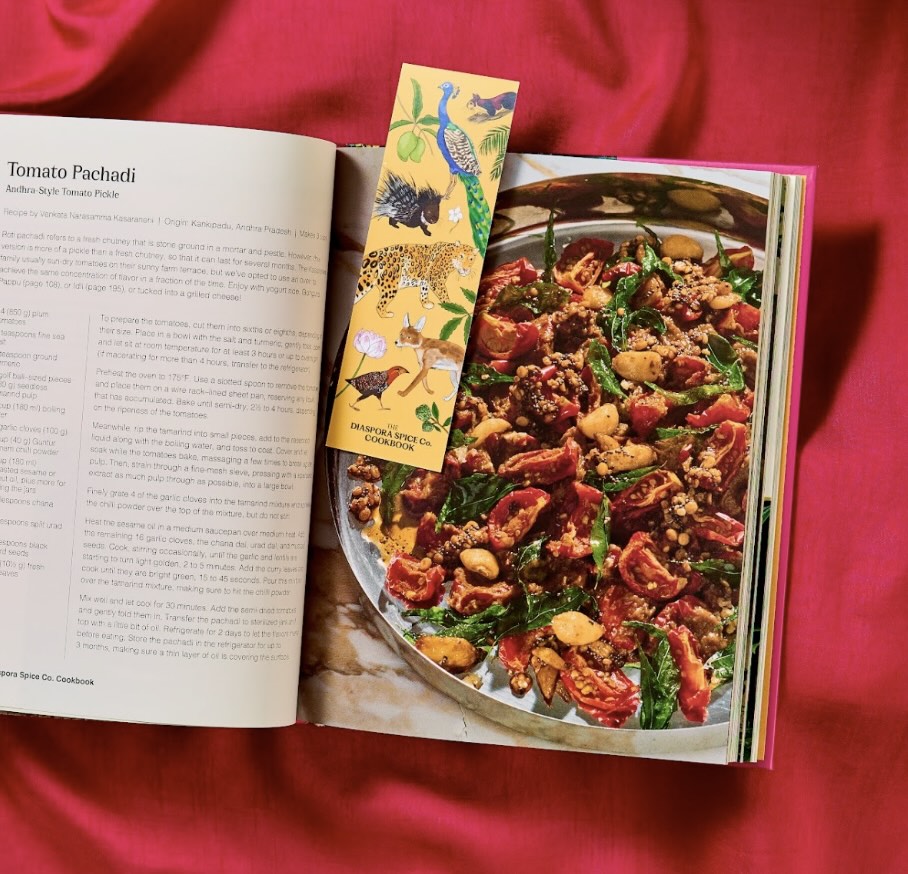
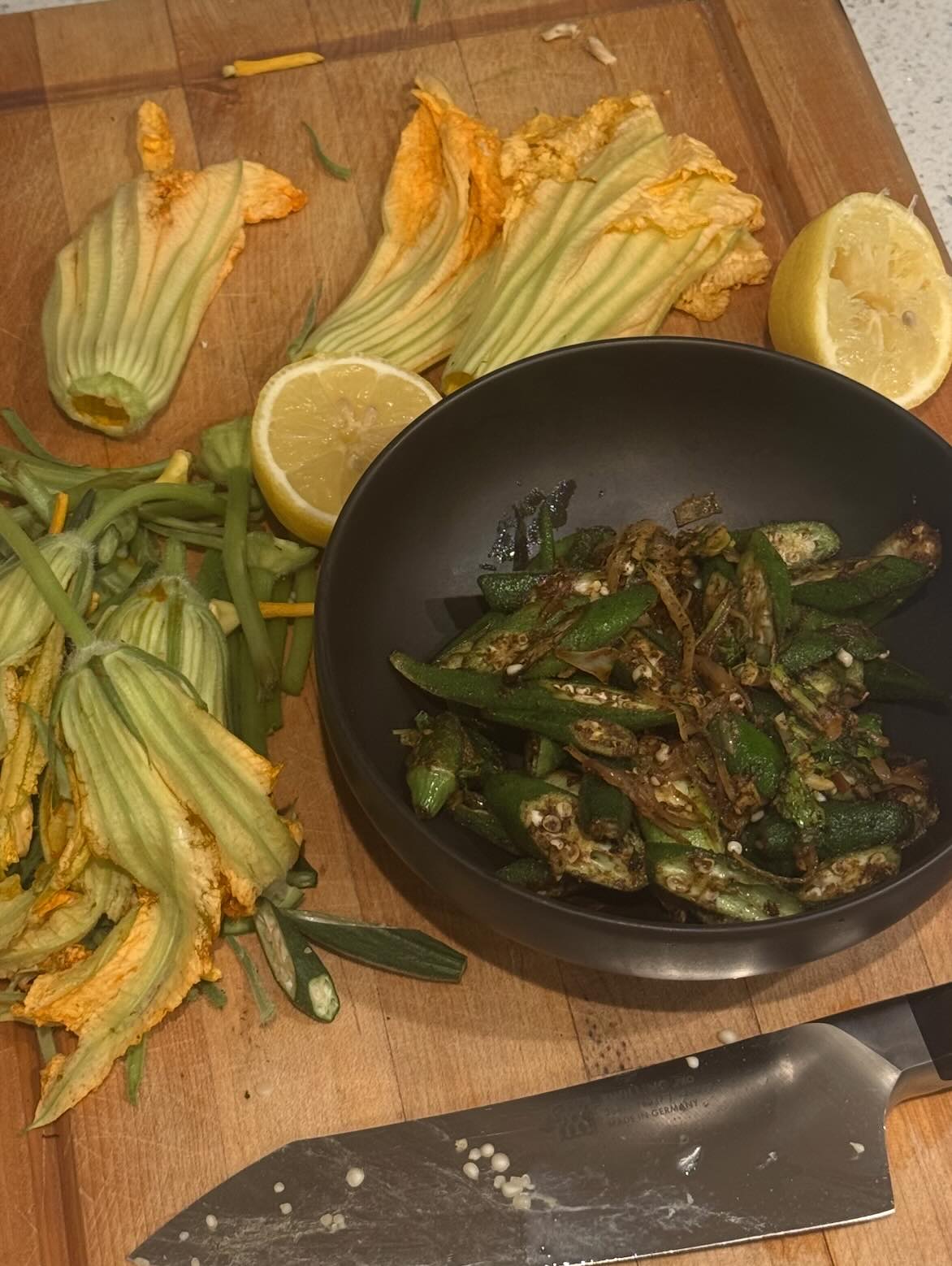
What stood out most about the Bhindi Masala is how different it is from the coastal recipes elsewhere in the book. Built around okra and dried spices, the dish is earthy, deeply savory, and a reminder that South Asian cooking extends far beyond coconut milk-based curries. For readers looking to expand their understanding of Indian food, this recipe offers a completely different flavor profile than many of the dishes that have become popularized in the United States.
That difference comes down to geography. The recipe hails from Rajasthan, a northwestern Indian state known for its desert landscapes and arid climate. Unlike Southern India and Sri Lanka, where coconut palms and coastal ingredients heavily influence cooking, Rajasthani cuisine developed around ingredients that could withstand harsher conditions. Reading this section of the cookbook reminded me just how impossible it is to talk about "Indian food" as a single category. In Sri Lanka, we refer to okra and this dish as “bandakka.”
Pro tip: If you don’t know where to find okra, I can almost guarantee your local Indian market has it stashed in a large cardboard box in the refrigerated veggie section, ready to be purchased by the pound.
Methi Latte
The recipe I was least expecting to love was the Methi Latte. Fenugreek is one of those ingredients that quietly appears throughout South Asian cooking, but rarely receives the same attention as turmeric, cardamom, or ginger. Here, it becomes the centerpiece. The drink feels contemporary enough for today's wellness landscape while still remaining grounded in the ingredient itself.
For me, the recipe also serves as a reminder of how often South Asian ingredients are rediscovered through Western wellness culture. Long before turmeric lattes, adaptogenic drinks, and functional beverages entered the mainstream, ingredients like fenugreek, ginger, and cinnamon were already woven into everyday life across South Asia. The cookbook acknowledges those histories without feeling heavy-handed, allowing readers to make connections for themselves.
Why This Cookbook Matters Now
What makes Diaspora Co. The Cookbook stand out is its ability to meet home cooks where they are. Not all of us are Carmy Berzatto from The Bear, but many of us already have turmeric, cumin, cinnamon, cardamom, or ginger sitting somewhere in a cabinet. This book helps piece together the puzzle of South Asian cooking, teaching you the classics in an approachable manner.
More importantly, it treats South Asian food with the specificity it deserves. Rather than grouping an entire region under a single flavor profile, it highlights the differences between Sri Lankan Tamil cooking, Kerala cuisine, Rajasthani dishes, Gujarati influences, and countless other traditions. The result is a cookbook that proves itself as equally useful for someone reconnecting with familiar flavors and someone encountering curry leaves for the first time.
When I go to my great aunt’s house to steal some spring from her curry leaf tree, she always tells me that coconut milk, onions, green chilies, curry leaves, cinnamon, and fenugreek belong together "like love and marriage." Individually, they're everyday ingredients, but together they're the foundation for generations of recipes, traditions, and memories.
That's what this cookbook captures so well. For me, it's a beautiful reminder that every little pantry spice jar carries a story, and that some of the most rewarding meals begin by learning where those stories come from.