Our team is dedicated to finding and telling you more about the web’s best products. If you purchase through our links, we may receive a commission. Our editorial team is independent and only endorses products we believe in.
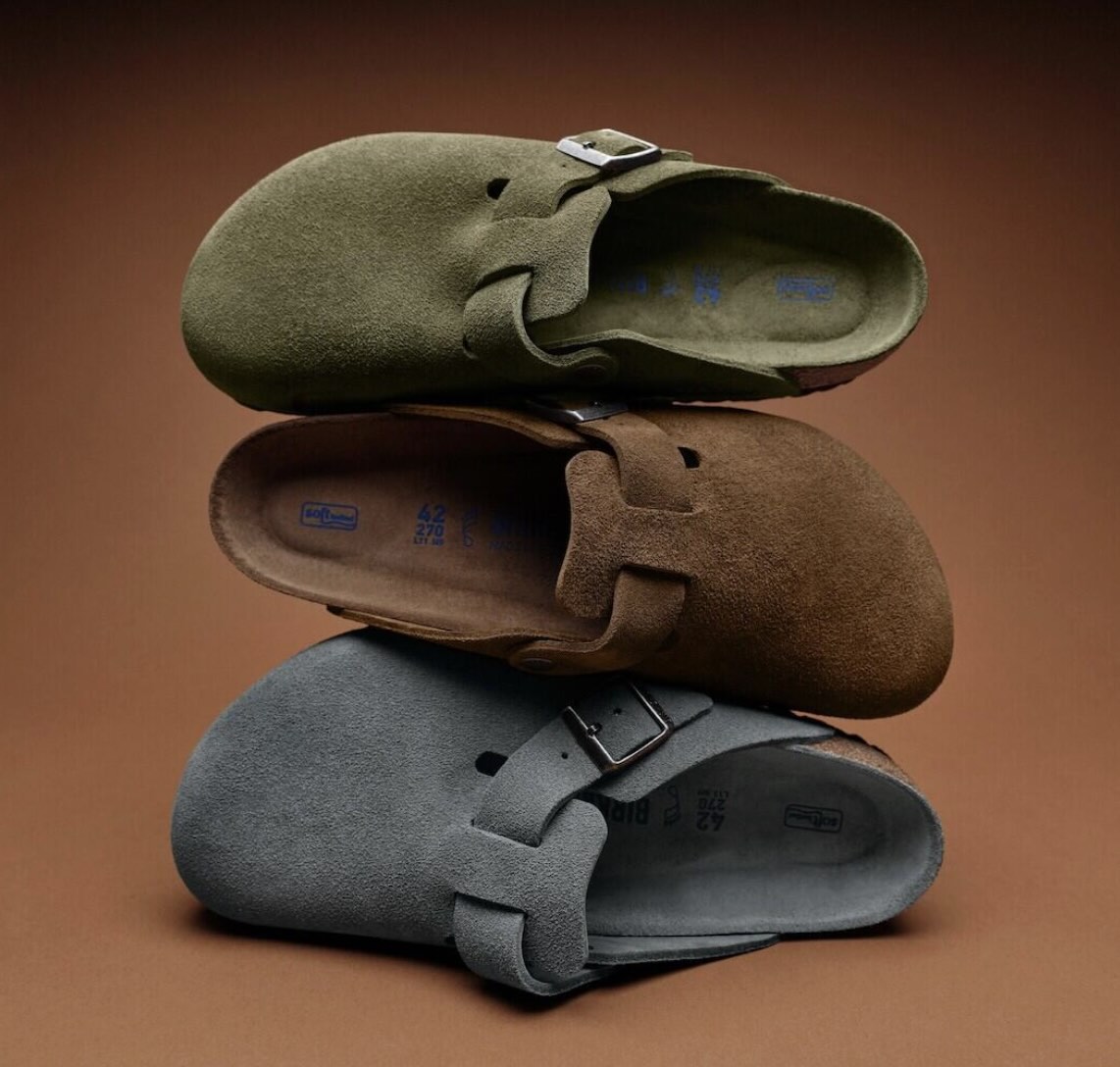
When I was younger, my mom had a pair of the now ubiquitous Birkenstock Boston Clogs. I didn’t quite understand the appeal, but she explained that these shoes were as comfortable as shoes could get. As she wore them the leather became softer and the footbed further conformed to her foot, resulting in a supple and supportive shoe that looked to me like a leather potato.
Although Birkenstocks were popular, little did she (or I) know that the potato shape would come to define footwear in 2025. Birkenstocks have never been more popular, and I finally made the leap to find out for myself if the renowned footbed and chunky-cool style was worth the hype.
I also talked to fashion experts Ciara Strickland, Creative Director at The New Mixx, and Albert Varkki, co-founder of Von Baer, to find out how Birkenstock went from a shoe your mom would wear to a style even teenagers are rocking.
We like
- The legendary comfort of the footbed is the real deal
- Perfect casual shoe
- Durable construction
- Very on trend
We don't like
- High price point
- Not versatile enough for performance or formal wear
From Old School to Cool
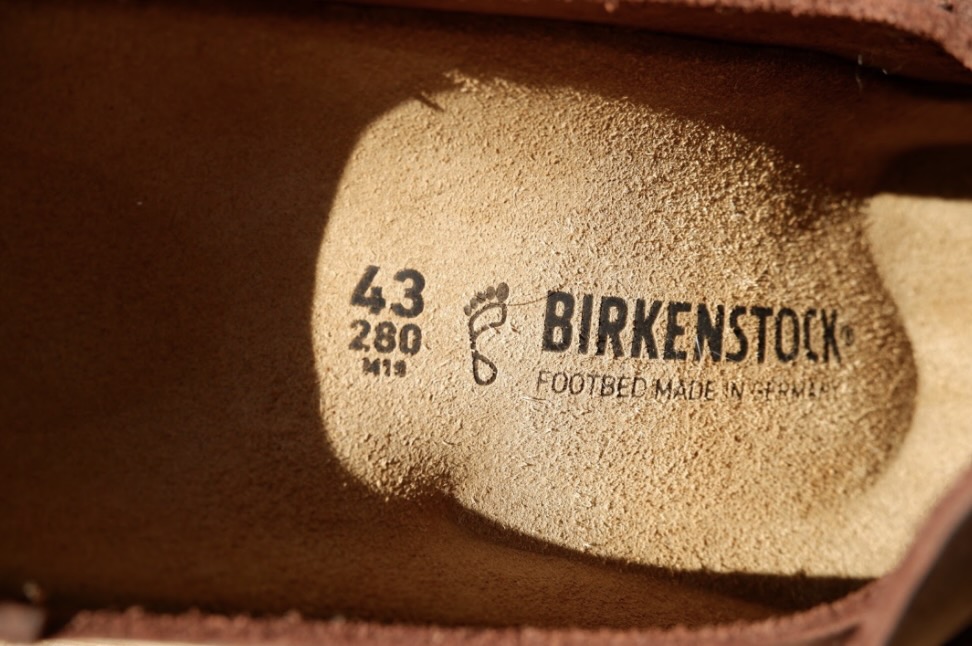
In 1774, around the time American revolutionaries like George Washington, John Adams, and Benjamin Franklin were attending the First Continental Congress, a German cobbler named Johann Adam Birkenstock began making custom shoes. Over a hundred years later, Konrad Birkenstock invented the flexible cork footbed, which became the trademark of the brand. In the 1960s the Birkenstock made its way to the US, where it became popular amongst the counterculture movement.
Then, almost 250 years after that cobbler first designed a custom shoe, the brand became wildly trendy. But how?
“The shift happened when ‘ugly-cool’ became a form of social currency,” noted Strickland, herself a fan since the early 2000s. “In a world of over-designed, uncomfortable footwear, the 'potato shoe' represents a rejection of traditional vanity. Birkenstock spearheaded this because they didn't chase trends, the trends eventually came to them.” Strickland believes that the pandemic had a part to play in this shift as well. “When comfort became the primary driver of fashion, the Boston Clog became the 'status symbol' of the work-from-home era.”
Varkki would agree. “Clunky shoes became fashionable because the definition of ‘cool’ shifted from sleek to functional,” he explained. “The irony is that the very features that were once uncool – like thickness, shape, utility – became a kind of anti-fashion statement that felt modern.”
The Icons
This year the Birkenstock Boston Clog turns 50. Launched in 1976, they quickly became a fixture on college campuses. But thanks to social media and a host of celebs wearing the silhouette, they’ve blown up in recent years. “It’s the ultimate 'if you know, you know' shoe,” said Strickland. “It signals a certain level of taste and an appreciation for quality over fast-fashion aesthetics.”
Another mainstay has been the Arizona, released in 1973. The two-strap sandal is also a collegiate favorite that made the unlikely jump from hippies to hipsters to the mainstream, with actress Frances McDormand even wearing a pair to the 2019 Oscars.
In recent years, both styles have seen shearling versions and waterproof EVA foam versions to allow customers to wear their favorite style all year long.
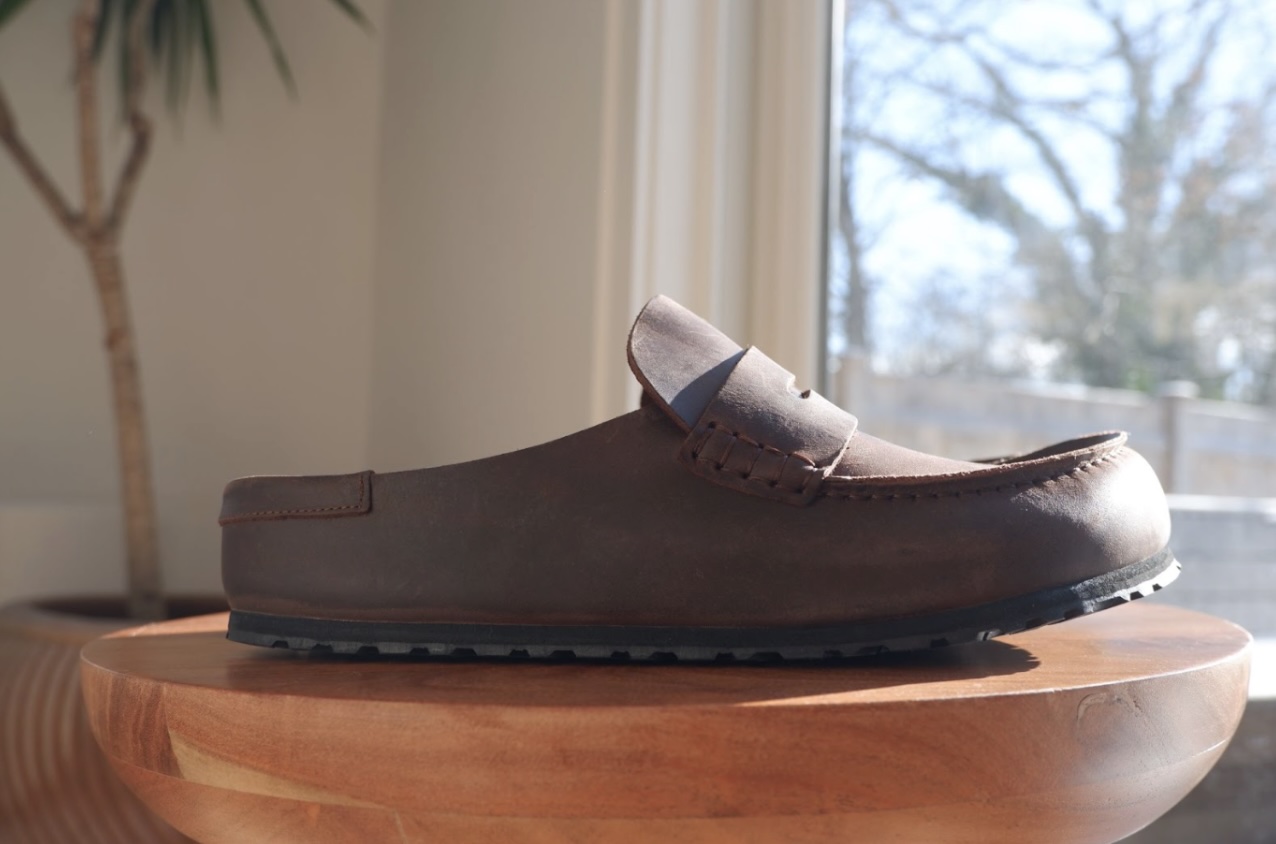
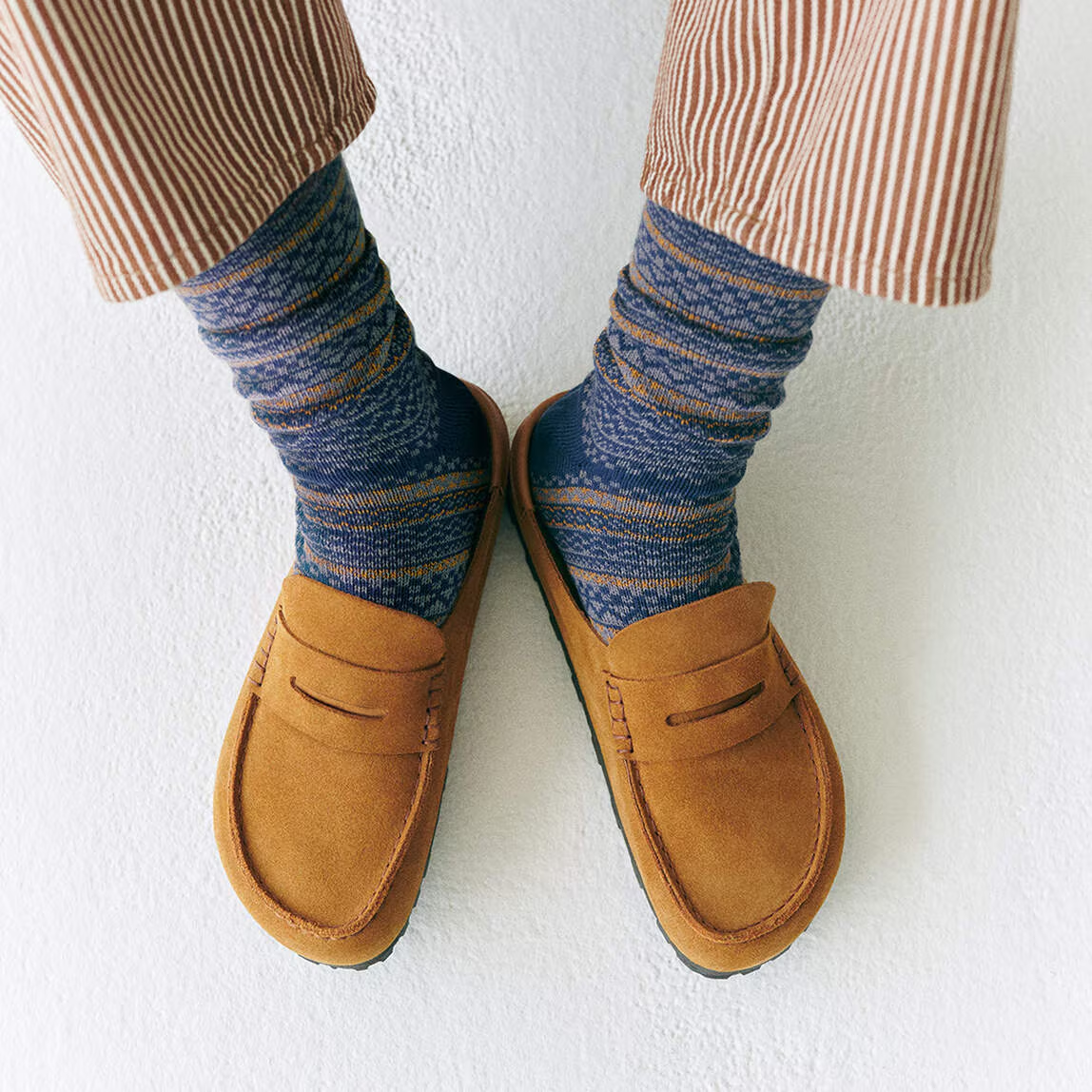
There have also been newer styles that have made a splash. The Naples – a loafer-inspired clog – arrived in 2023. It’s a fantastic option that can be dressed up for a fancy dinner or dressed down for a polished yet relaxed look. 2025 saw the launch of the Utility Collection, featuring more rugged versions of the London and Boston Clogs, with mudguards and metal buckles.
What’s Next?
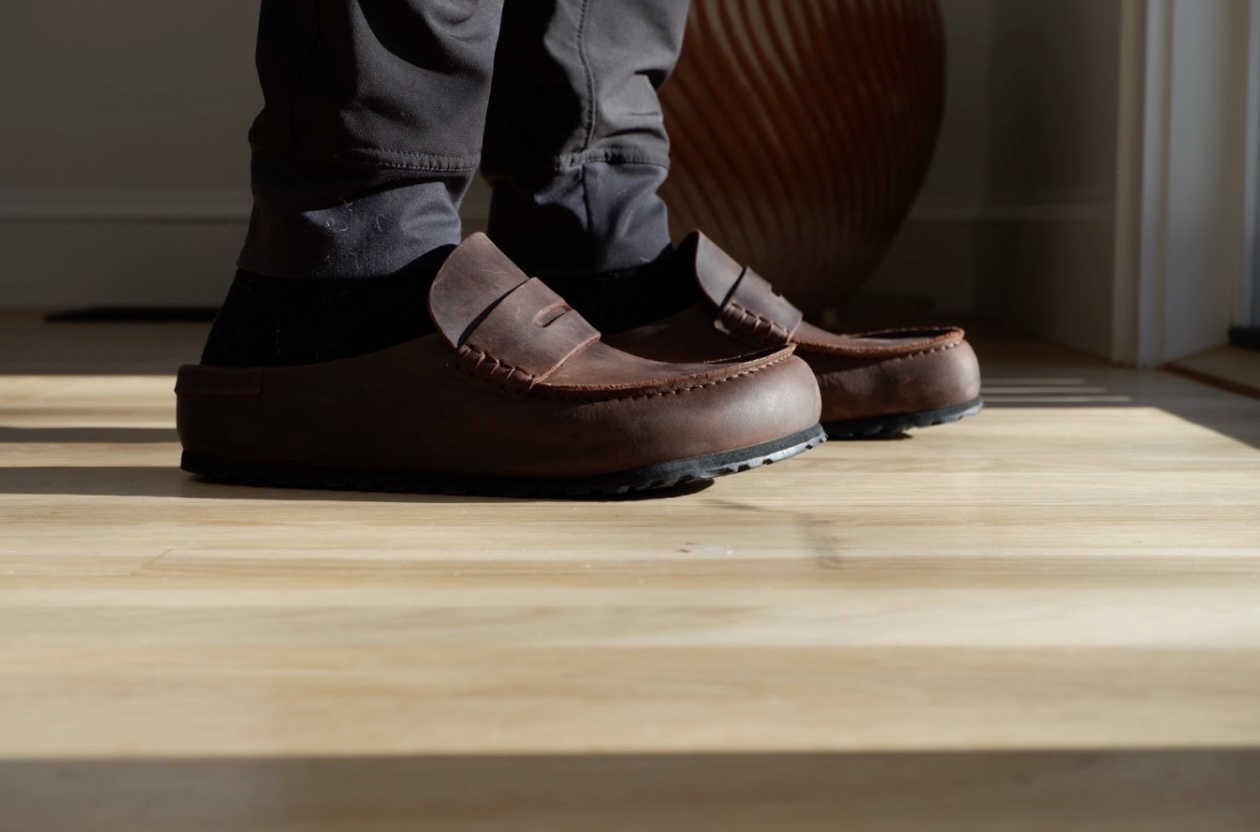
What will 2026 bring for the iconic brand? Varkki envisions a fashion landscape in which refined utility continues to win out over sleek style. “Birkenstock is well-positioned because they already own the comfort credibility,” he said. “If they pair it with slightly cleaner lines and better weather versatility, they can stay at the center of the conversation.”
Strickland had a similar prediction. “For 2026, I foresee a move toward hyper-Utility, footwear that is rugged enough for the outdoors but polished enough for an art gallery,” she explained. “Birkenstock is perfectly positioned for this because they own the 'wellness' narrative. Birkenstock doesn't have to pivot – they just have to keep doing what they’ve done for 250 years. They are the rare brand that stays relevant by staying exactly who they are.”
As she noted, innovation is a tightrope. If you try to please everyone you end up diluting the market and eroding quality. By focusing on craftsmanship, Birkenstock has helped shape trends rather than chasing them. For a brand renowned for comfort and longevity, evolving slowly but surely and remaining true to their roots has proved to be the perfect recipe.