We like
We don't like
Our team is dedicated to finding and telling you more about the web’s best products. If you purchase through our links, we may receive a commission. Our editorial team is independent and only endorses products we believe in
Oooooh the power of a buzzword. Once social media gets its sticky grip on the latest language circulating beauty landscape, it’s over. Our attention spans are too short, our eagerness for the next best thing too great. We click, share, and repost until we’re scouring the beauty aisles for the buzzword in demand, often not even knowing: Does it “work?”
While we’ve been hearing about exosomes for a while now, I’m not convinced that the average beauty consumer understands what they are, and more importantly, what they do. I write about beauty for a living and even I had to go digging. Which is why I went to the experts to set the record straight.
What The Heck Are Exosomes?
“Exosomes are tiny extracellular vesicles released by cells. I often describe them as biological messages in a protective envelope,” explains Dominik Duscher, MD, PhD, President and Chief Executive Officer at Dezawa Aesthetics. “They carry proteins, lipids, RNA, and other signaling molecules from one cell to another, and that cargo can influence how recipient cells behave.”
Duscher explains that skin is constantly communicating with itself. Fibroblasts, keratinocytes, immune cells, vascular cells, and stem-like cells are all sending signals about repair, inflammation, collagen turnover, barrier function, and stress. Exosomes, he says, are one of the ways those signals are packaged and transferred. I.e, exosomes can send good-for-your-skin enhancements directly to your cells. Like getting a same-day delivery of something awesome.
Initially I was under the impression that exosomes could be programmed in some way – manipulated to deliver a specific result. But Dr. Duscher says it’s not that simple.
“The word ‘programmed’ needs some caution. In advanced research settings, extracellular vesicles can be engineered or loaded with specific cargo. But most skin-care products are not ‘programming’ exosomes in that pharmaceutical sense.”
He also cautions that ‘exosome’ is often used loosely in beauty. “A product may be labeled as exosome-based, but consumers should ask: Are these true extracellular vesicles? What is the source? How are they isolated? Are they characterized? Are they sterile? Is there batch testing? The biology matters much more than the buzzword…quality, purity, and function can vary significantly from product to product.”
So There Are Different Sources of Exosomes?
“Yes, and this is where consumers need to be careful,” says Duscher. “Exosomes can come from human cell-derived extracellular vesicles, plant-derived vesicles, platelet-derived vesicles, milk-derived vesicles, animal-derived vesicles, and synthetic ‘exosome-like’ delivery systems. The source matters because the cargo reflects the biology of the source.”
So, I wondered: Can plant-derived exosomes, which are gaining popularity, be effective? Since whatever is in plants is…not in humans.
“Plant-derived vesicles come from an entirely different biological kingdom. I would not assume they can meaningfully ‘instruct’ human fibroblasts, keratinocytes, immune cells, or follicular cells in the same way a well-characterized human cell-derived extracellular vesicle can,” says Dr. Duscher.
“A plant vesicle may carry botanical bioactives, but it is not automatically capable of delivering precise human regenerative signals.” Duscher explains that plant-derived exosomes can be interesting as botanical ingredients, but “the evidence does not support treating them as equivalent to human cell-derived exosomes for targeted human tissue signaling.”
Kristina Holey, Skin Director and Esthetician and Marie Veronique Nadeau, Founder and Chemist at Marie Veronique, echo this: “Topicals with plant-derived exosomes are good for the skin’s surface, but they don’t do much beyond the top layer.”
Ultimately, the issue is a stability vs. efficacy problem. “Putting plant-derived exosomes in a medium that will keep them stable long enough for delivery to take place is a very tricky prospect. You’ll get some barrier improvement with a well-formulated serum, and benefits can be multiplied by pairing it with Vitamin C and retinol products,” say Holey and Nadeau.
Plant-derived exosomes do have one advantage, however, which is regulatory simplicity. “Human-derived exosomes carry significantly more regulatory considerations, while plant-based products avoid many of those regulatory hurdles,” says Beverly Hills board certified plastic surgeon Dr. Daniel Gould, MD, PhD. “From a marketing perspective, the appeal is obvious. From a biological perspective, the evidence does not currently support equivalence between plant-derived and human-derived exosomes.”
Net/net: Human cell-derived exosomes are the ones to consider if you want their regenerative magic. According to Dr. Gould, “Human-derived exosomes (typically sourced from stem cells or platelets) contain cargo that human skin cells naturally recognize and respond to. The biology is matched, and most of the clinical research and published evidence is concentrated in this category.”
Sounds like a closed case, but still – knowing which exosome products to buy is not that simple.
What Should We Look for in Exosome Products?
Dr. Gould suggests that there are four things to consider when scoping your exosome products:
- The Source: Human-derived exosomes, particularly those from platelets or mesenchymal stem cells, have the strongest biological rationale. The science is weaker for plant-derived or unspecified sources.
- Characterization: Credible brands disclose particle counts per dose and provide third party characterization data. Vague language such as ‘rich in exosomes’ without supporting numbers should be viewed as a red flag.
- Formulation: Exosomes are extremely fragile and ideally should be lyophilized and reconstituted shortly before use, or stabilized using an appropriate delivery system. A water-based serum containing exosomes that has been sitting on a shelf at room temperature for years is unlikely to be delivering functional vesicles.
- Use context: The most credible brands recommend exosome application after procedures rather than positioning them as a simple daily serum. That recommendation is more consistent with the underlying biology.
Holy and Nadeau recommend considering the brand and whether you trust their work. “Also check the expiration date—if they’re honest it should be short, none of this two-year nonsense.”
What not to do? Don’t look for percentages. Like how 15–20% L-ascorbic acid is more potent, or how it often needs to be paired with a stabilizing ingredient like ferulic acid to be more effective. With exosomes, it doesn’t work like that.
“I would not shop for exosomes by percentage. ‘Five percent exosomes’ or ‘ten percent exosomes’ does not tell you very much, because there is no universal standard for what that percentage means. A more serious product should be able to speak to source, concentration, particle characterization, purity, sterility, stability, storage requirements, and potency. Even particle count alone is not enough. You can have a high number of particles that are biologically weak, poorly preserved, contaminated, or inconsistent from batch to batch.”


We like
We don't like
We like
We don't like
The Best Application: A Treatment
Everyone I spoke to agreed: Using exosomes during and after a skin treatment is most effective.
“In [our] humble opinion, stand-alone exosome products designed for in-home use aren’t going to do much more than make minor improvements to the barrier layer,” say Holey and Nadeau. “Pairing [them] with retinol and Vitamin C will help. But for real improvements via exosomes, I’d pay your esthetician a visit.” Think CO2 lasers or microneedling, which creates micro-channels in the skin.
“Procedures [like microneedling, laser treatments, and radiofrequency treatments] create controlled injury, and exosomes may help support the healing process,” echoes Dr. Gould. “They can also absorb through intact skin and are specifically designed to penetrate the skin barrier. The strongest evidence points [to this].”
Dr. Duscher says that high-quality exosome technology should be used after treatments not as a miracle product, but as a way to support a more organized recovery environment. “The goal is to help the skin behave more like healthy, responsive tissue: calmer, more resilient, and better able to renew itself.”
What About Exosomes in Hair Care?
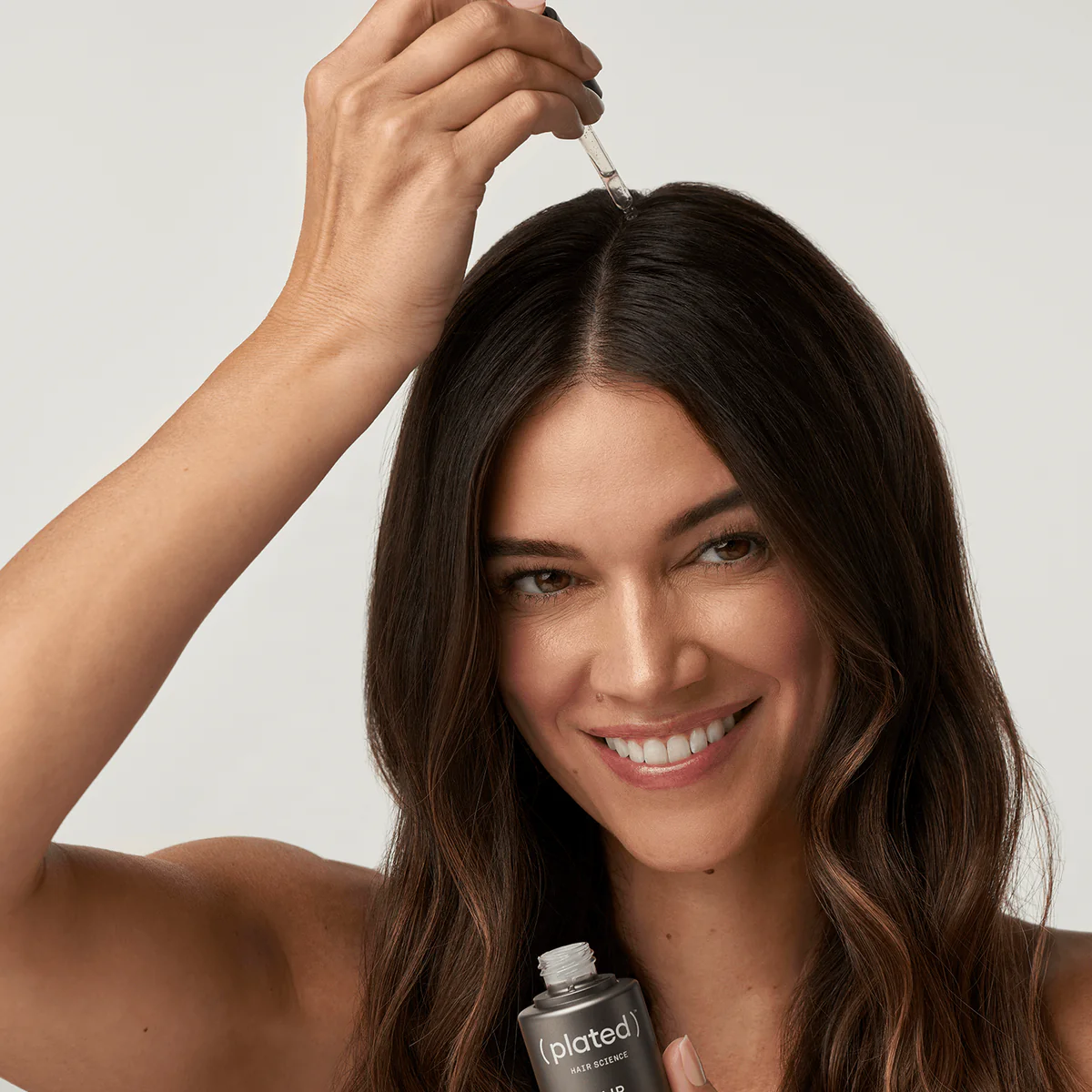
This is where things get even murkier. Dr. Duscher says that hair is a logical area for exosome research because the hair follicle is a highly dynamic mini-organ, but that delivery is critical.
“Growth depends on communication between dermal papilla cells, stem-cell niches, immune cells, vascular supply, and the surrounding scalp environment,” he says. “Exosomes are relevant because they are part of that communication network. [But] the scalp is still skin, and the skin barrier is designed to keep things out. A topical product sitting on the surface is very different from a professionally delivered treatment used after a procedure that creates controlled access through the barrier.”
Dr. Gould is hopeful, but it’s clear that more research is necessary. “Hair follicles are highly vascularized, biologically active structures, and there is published evidence suggesting exosomes may help stimulate follicular activity and support early stage androgenic alopecia,” he says.
But Holey and Nadeau aren’t convinced. “Hair, if you’re looking at regrowth, is going to require a visit to a specialist. Please don’t waste your money on products claiming miracle regrowth. Exosomes are a promising field, but effective implementation of them via topicals still awaits us.”
As a writer who went behind the curtain at a biotech hair care brand for five years, I can tell you that Minoxidil is the only single-ingredient drug that’s clinically proven to regrow hair, but it can come with some unpleasant side effects like losing more hair before it regrows, or drying out the hair that you have.
However, I personally like using hair serums, like this one from Plated and this roll-on serum from Sungboon Editor (no exosomes) to reinforce follicle strength and keep a healthy scalp. This, in turn, helps me maintain healthier hair. Especially if used as preventative rather than after the fact. Our experts agree: Exosomes may help support the hair follicle, but don’t expect regrowth.
What About Exosomes in Body Care?
“For body care, the same principle applies,” says Dr. Duscher. “Exosomes are not automatically stronger or weaker because they are used on the face, scalp, or body. Effectiveness depends on the quality of the vesicles, the formulation, the delivery method, and the biological target. More is not always better.”
Dr. Gould seconds this, explaining that the skin on the body is thicker and the treatments have to be more aggressive, meaning: In order to cover large surfaces effectively, the cost-benefit equation just doesn’t add up.
“Outside of post-procedure body treatments, much of the body care market appears to be driven more by marketing than by strong biological evidence,” says Dr. Gould. “Strength also matters significantly. Exosomes are dose dependent. If particle concentrations fall below a meaningful threshold, biological effects become unlikely regardless of the source. This is one reason why a $90 exosome body lotion at a retail store is not equivalent to a clinical exosome serum applied immediately after a procedure.”
If you’re looking to up the ante on your body care, I’d opt for dry brushing, a good in-shower scrub, and a solid retinol body cream.
Exosomes, Explained
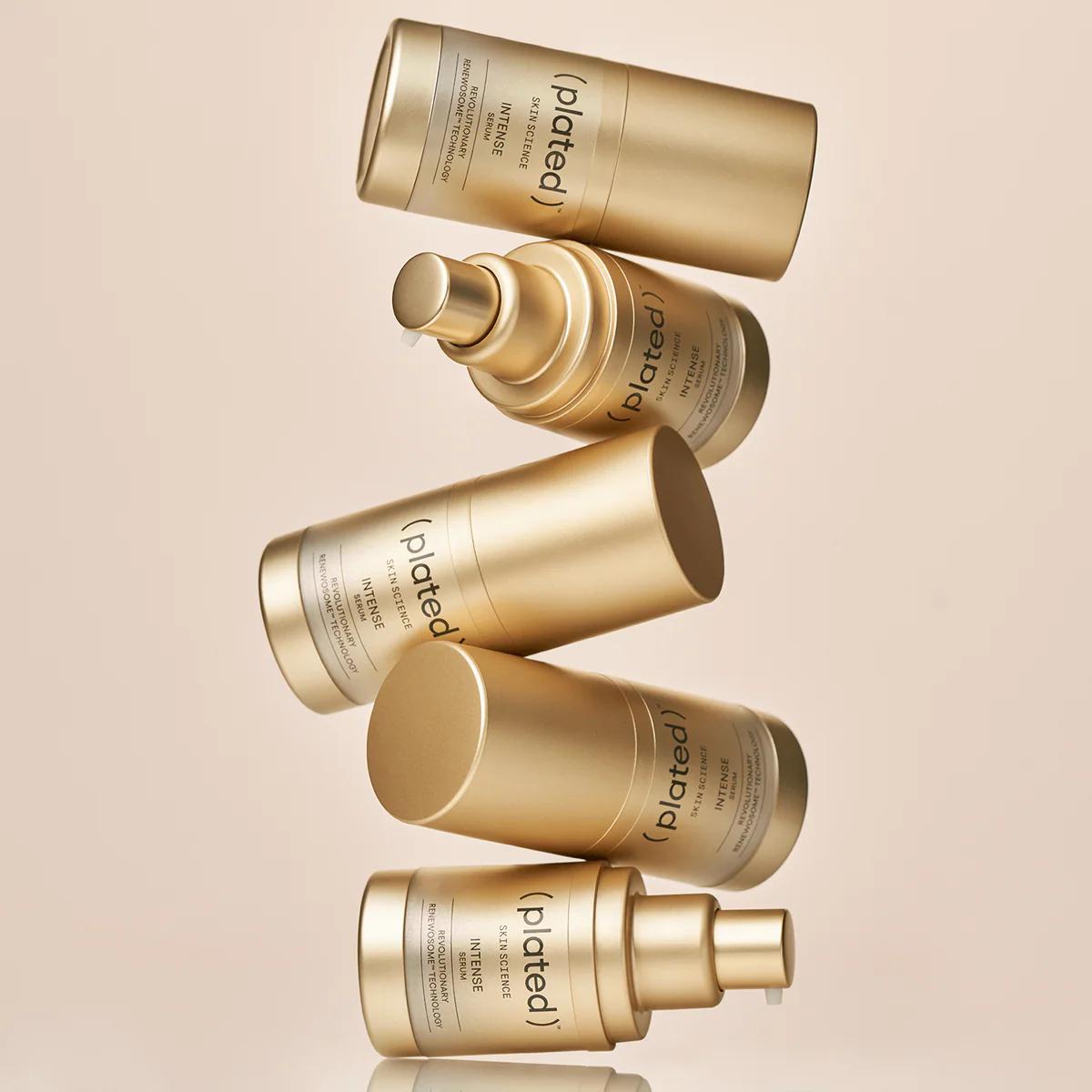
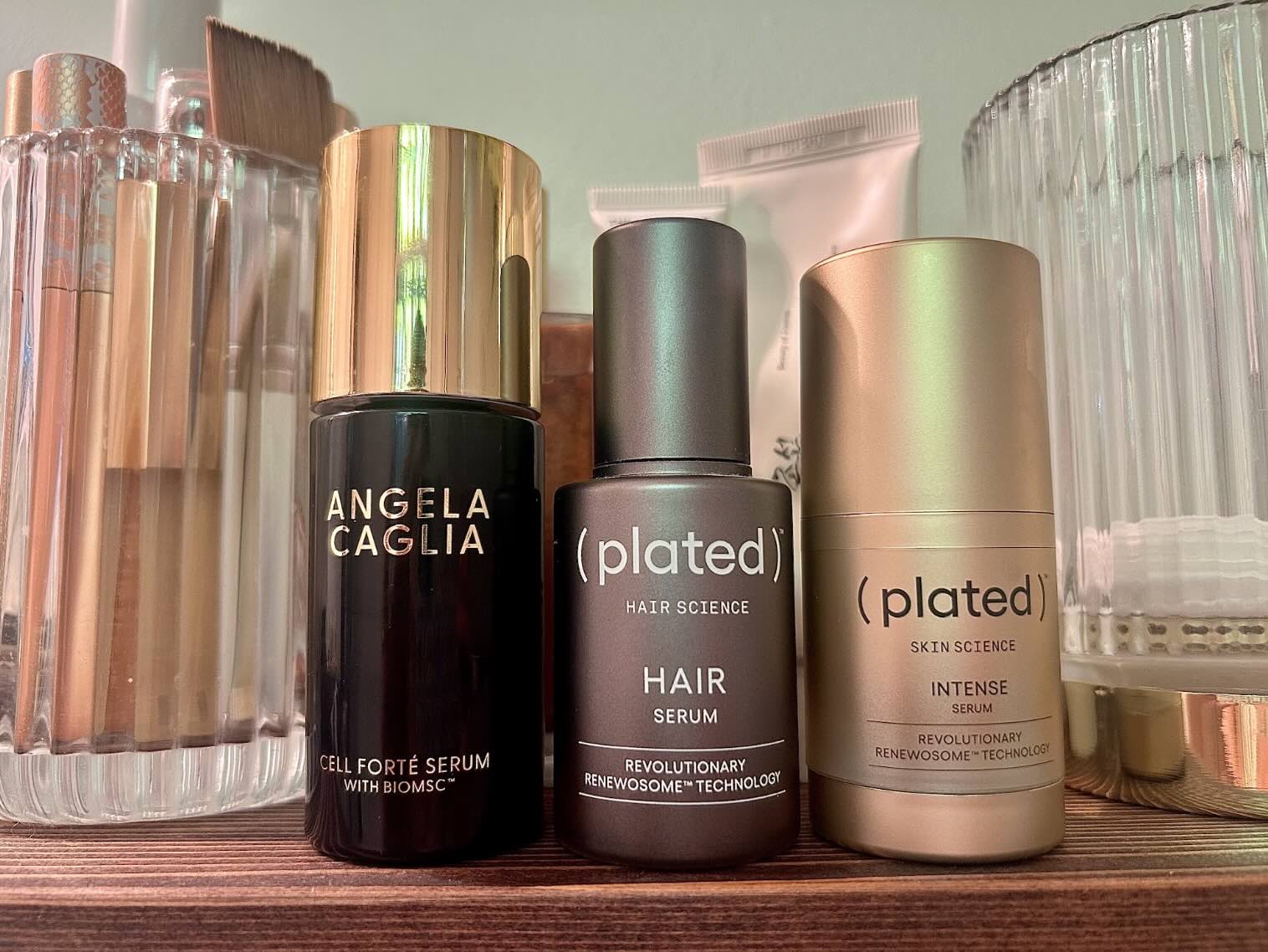
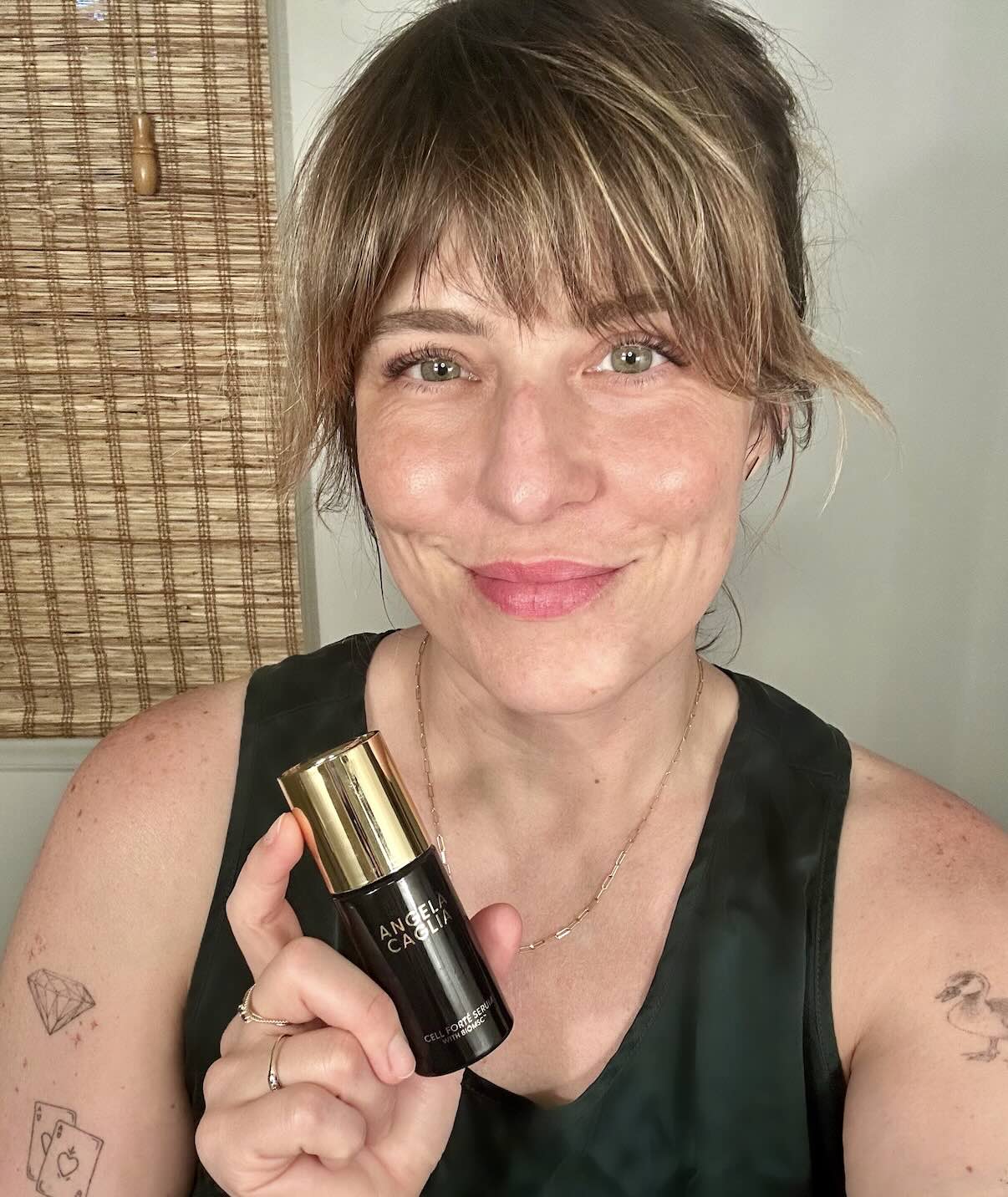
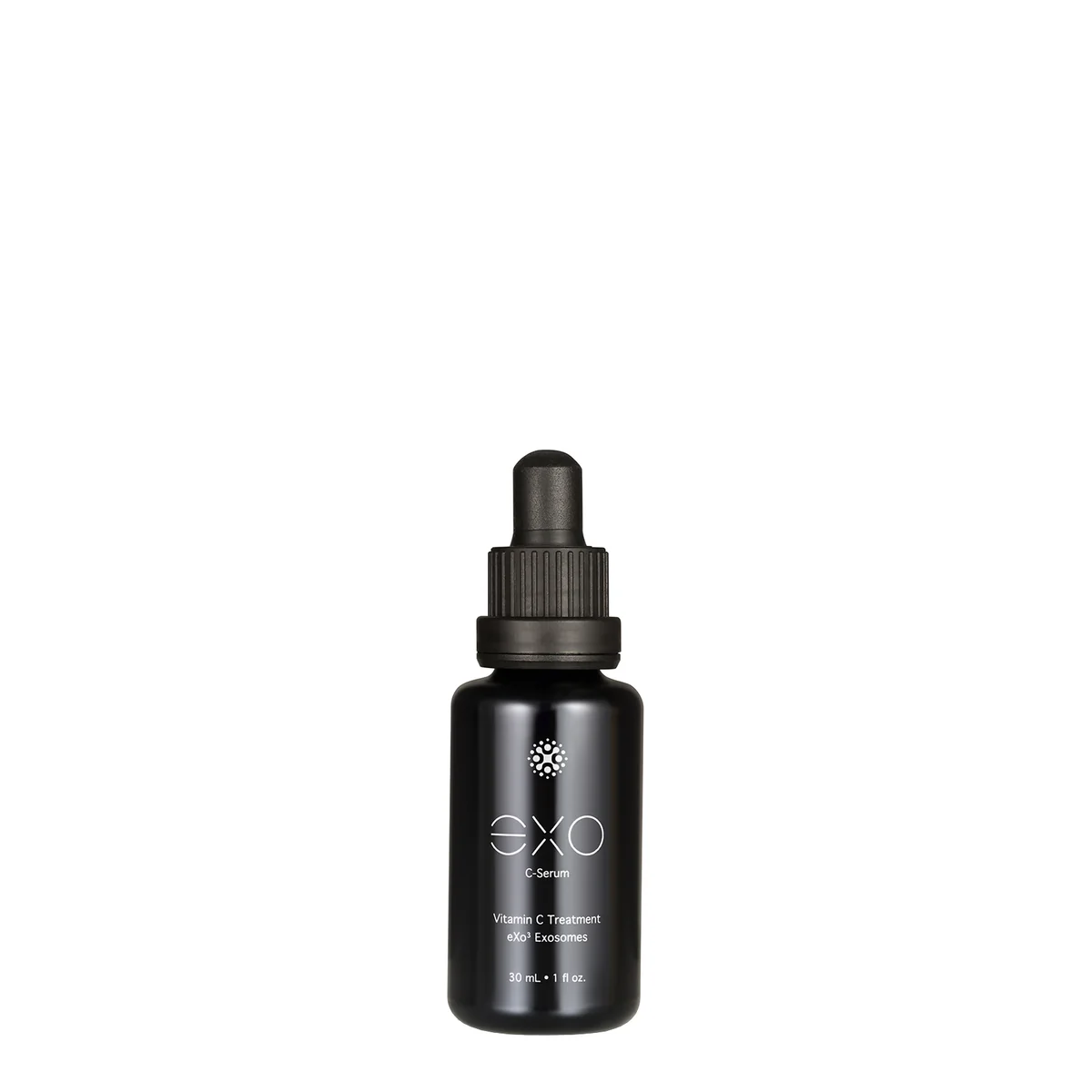
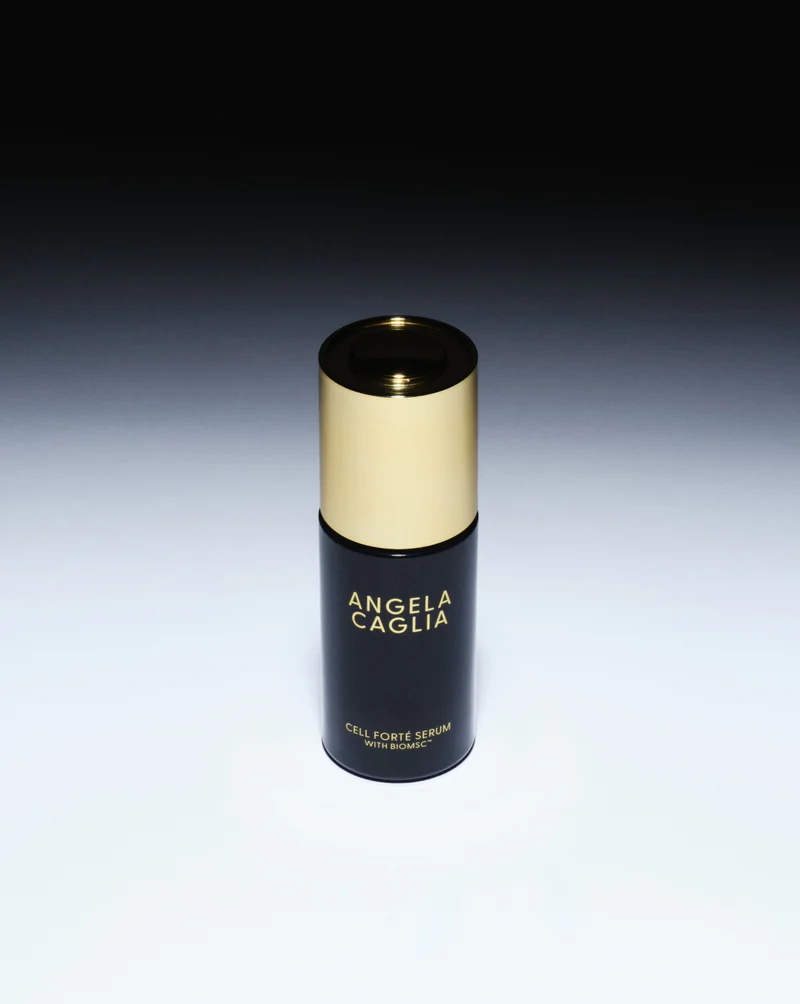
You heard it from the source: Exosomes are absolutely not created equally. If you’re going to give them a go, I recommend Plated Skin Science Intense Serum, pretty much any Exoceuticals product, and Angela Caglia Cell Forte Serum.
It’s worth noting that these serums aren’t cheap – but if they’re working for your skin, then stick with them a while. That said, it may also be worth splurging on a few exosome-based facial treatments to ensure you get the most out of these little messengers.