We like
We don't like
Our team is dedicated to finding and telling you more about the web’s best products. If you purchase through our links, we may receive a commission. Our editorial team is independent and only endorses products we believe in.
Welcome back! Our Q1 installment of 12 Months To a New You covered expert-recommended treatments and habits to start the year strong: Sculptra, SPF, and not to be overlooked, a good night’s sleep. And we still have three more quarters left (and the rest of our body and mind to cover)! But once I started writing this piece, I realized that we needed to focus––specifically, on microneedling.
What is Microneedling?
“Microneedling creates controlled micro-channels in the skin that stimulate new collagen formation. This is a way to cause micro zones of injury––where your own body comes in to repair and rebuild," says Dr. Stephen Bracci, founder at Verve Medical Cosmetics. It’s often performed with an FDA-cleared device called a SkinPen or other microneedling device that allows the practitioner to customize needle depth. Maybe right now you’re asking, Is it really necessary to injure my face with needles to create more collagen?! Unfortunately, the short answer is yes.
“Collagen is the foundation of healthy, youthful skin. As we age, our natural collagen production slows down significantly, so new collagen essentially means fresh, rejuvenated skin,” says FACE FOUNDRIÉ Licensed Advanced Esthetician, Trainer, and Coach, Clara Mendoza Grider.
She explains that, as we rebuild collagen, we start to see improvements in fine lines, acne scars, hyperpigmentation, overall texture and firmness. The result? Smoother, brighter, more youthful-looking skin over time. So let’s break down the different types of microneedling (of which there are many) and some at-home products to help you recover.
The Many Forms of Microneedling
These days, there are a multitude of microneedling options: PRP, PDGF, ProCell, and more! What’s what? Which ones are right for you? From the experts and my first-person experience, these are the microneedling must-trys for spring.
PRP (Platelet-Rich Plasma)
Did you say “plasma?” As in “blood?” Yep. I did. Microneedling with PRP is a procedure in which your blood is drawn, spun down to isolate your PRP, and then used in the microneedling process. Maegan Griffin, nurse practitioner and founder-CEO of Skin Pharm, explains that the addition of PRP accelerates healing and stimulates both collagen and elastin. It improves texture, fine lines, crepiness, and acne scarring by supporting the quality and density of the skin.
“A microneedling with PRP series produces long-lasting benefits, as collagen and elastin will continue to build for months after treatment. Spring is the ideal time for microneedling with PRP because UV levels are rising but still manageable, and skin tends to bounce back quickly after the winter months.”

It may seem obvious, but it’s imperative that this sort of treatment be done by a skilled practitioner at a trustworthy medspa or dermatologist’s office. This is one reason I love Skin Pharm and the team of NPs and PAs there. Just be sure to do your research. I’m all for a discount, but this is not a time to cut corners.
A lot of people like PRP Microneedling because the booster (your blood) is native. This is a great option for people who want something “more natural” than growth factors. PRP can also be given as an injection (but that’s another story). The only downside is that the effectiveness of the PRP microneedling is co-dependent on the efficacy of your plasma, which is not measurable. So––how much bang for your buck do you need to ensure? This leads me to our next form of microneedling…
PDGF (Platelet-Drived Growth Factor)
For those who do want something measurable, microneedling with PDGF is a great option. “The science, safety, and research behind PDGF support not just visible results, but improved skin quality and long-term skin health,” says Griffin.
Like other forms of microneedling, PDGF stimulates collagen, improves elasticity, and supports recovery. “By adding PDGF [an isolated, biocompatible growth factor], we can stimulate regeneration exactly where the skin needs it. In the short term, you’ll experience reduced downtime and glowier skin. As collagen builds and tissue heals, skin becomes firmer, smoother and more resilient,” says Skin Pharm PA-C and clinical trainer, Julia Franklyn.
PDGF can also be used with Moxi laser (also another story), and overall, seems like a pretty reliable choice for those looking to up the ante on their average microneedling experience. Still, there are more options…
Micro-Channeling with ProCell
In my quest to understand the different forms of microneedling, I went to my local FACE FOUNDRIÉ to try MicroChanneling powered by ProCell, which was a slightly different experience than the SkinPen microneedling I’m accustomed to. FACE FOUNDRIÉ’s Clara Mendoza Grider explains that micro-channeling is essentially the new and improved evolution of microneedling.
“Instead of a crisscross dragging motion across the skin, this advanced device uses a precise stamping technique. That stamping motion creates the controlled micro-channels where we want to stimulate collagen without unnecessary trauma to the tissue. The result is comparable (if not better) collagen stimulation with significantly less downtime, less inflammation, and a more comfortable healing process. Same goal, smarter technology.” ProCell, which is a growth factor serum, was applied to my skin before the micro-channeling so that it could be absorbed during the process.
Everyone’s skin reacts differently, but in my experience, this was one of the less intense microneedling experiences I had. My skin was barely pink after the treatment and the pain was next to none, which could make it a good place to start for microneedling newbies. Grider says It’s ideal for someone looking to address early signs of aging, acne scarring, uneven tone, hyperpigmentation, or loss of firmness. “It’s also a great option for clients who want meaningful results with minimal effort and downtime, a treatment you must incorporate!”
RF (Radiofrequency)
Now for the big one. RF Microneedling uses radiofrequency, which means with each stamp of the skin, radiofrequency energy heats the layers beneath the epidermis to stimulate collagen and elastin production, thus improving skin laxity, texture, and fine lines. So you still get the mirco-injuries to the skin, which signals the body’s naturally healing process, while simultaneously tightening tissue through various (yet precise!) depths of energy.
For example, the depth of microneedles and amount of energy applied to my forehead (which has very little laxity) will be significantly less than the depth and energy around my jawline, which I may want to tighten.
There are many forms of RF Microneedling you may have heard of, like Profound, Exion, and Morpheus8. I have only ever tried Morpheus8 at my local medspa, Blossüm Aesthetics. I do it back-to-back with CoolPeel, which you can watch here. I personally love RF Microneedling, and after three sessions, am very happy with the look and feel of my skin. (I can see a noticeable difference in my hyperpigmentation, though I also had two sessions with a Pico laser to address that.)
Once again, it is extremely important that you see a trustworthy practitioner who knows what they’re doing. Read the reviews, check their social media, and even better––go somewhere that’s been recommended by a trusted, well-informed friend.
Now that we’ve tackled the major forms of microneedling, maybe you’re…absolutely convinced you’ll never do it. But there is one more option that’s (slightly) less invasive.
QURE
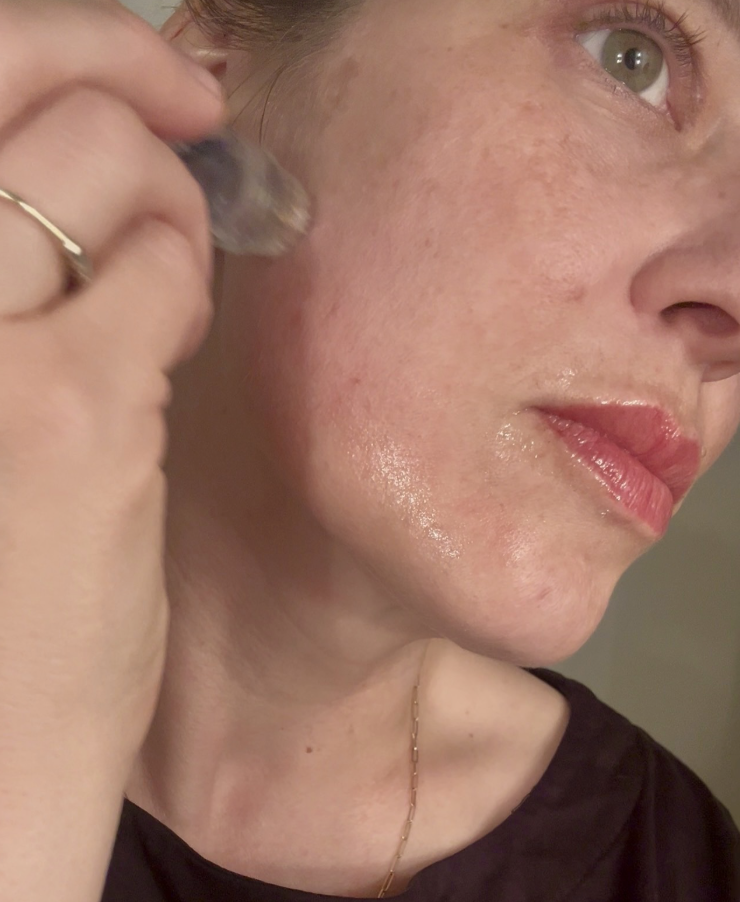
If you haven’t been served a million targeted ads for this brand yet, Qure is the micro-infusion device that allows you to stab yourself in the face with tiny needles from the comfort of your own home. So, obviously, I tried it.
The Qure Micro-Infusion Facial System comes with everything you need––cleansing spritz, serum, and needle heads––to treat your skin. You do all the stamping to create those controlled micro-channels with 24K gold 0.5mm needles that are thinner than human hair. It’s meant to visibly improve skin texture, radiance, and firmness at a fraction of the cost (1=month supply is $119; 3-month supply $169; 6-month supply is $219). But does it work?
The first couple of times I used it, I wasn’t convinced. It’s quite a lot of work to stamp your face, repeatedly, and it took me about 20 minutes to go over my skin 2–3 times. I had to crane my face in awkward positions to ensure the serum was intact with the needles, and therefore absorbed by my skin. I figured I’d just pay a little more for an in-office treatment with the pros.
But then I brought the kit on a trip to New York City, where girlfriends and I had our own spa nights, and that’s when I realized: You really need to be consistent with the treatment.
It’s intended to be used 2x/month for an extended period of time to get the full benefit. After my third session, paired with a Quasi mask that I slept in, I woke the next day with brighter, plumper, smoother skin––and that was after a long night of eating salty foods and consuming (a-touch-too-much) wine. So maybe it does work?
CEO & Founder of Qure Skincare, Kristina Orlić-Edmonds, says it’s not totally intended to replace in-office microneedling treatments. “It sits beautifully in its own category, somewhere between the two.”
She says that it’s not just a fancy night cream. “The 0.5mm gold-plated needles create real micro-channels, so the serum can absorb beyond what you’d get from simply applying skincare to the surface.” But at the same time, she says she’s always honest about the fact that Qure doesn't go as deep as in-clinic microneedling or replace it.
“In-office treatments are going deeper to address things like severe acne scarring, and that level of intervention is appropriate in a clinical setting with proper numbing, technique and aftercare.
Where Qure shines is maintenance: hydration, texture, the look of fine lines, and overall glow.”
For those goals, she says 0.5mm is the sweet spot. “It’s a consistent, at-home routine with minimal downtime that helps keep your skin in great shape between clinic visits, or if clinic treatments just aren’t feasible.” We love options! She does stress, though, that not all micro-infusion devices are created equal.
“Look for sterile, single-use needle heads––this is non-negotiable for safety and hygiene. The needle material matters, too; 24K gold-plated needles are gentler on skin and less likely to cause irritation.” She says to pay close attention to what's in the serum being delivered––“the whole point of micro-infusion is that you're driving clean, quality, active ingredients deeper into the skin, so those ingredients need to be clinically formulated and actually proven to work.”
Finally, she says to look for a brand that's transparent about their data and has real dermatologist involvement. “Anyone can stamp the word ‘clinical’ on a product––what you want to see is the evidence behind it.”
The Net-Net
Microneedling is one of my favorites treatments because it’s usually well-tolerated by most skin types, can be used by the entire Fitzpatrick scale, and delivers noticeable improvement in skin texture and quality. But like all treatments, it’s not a one-stop shop. Supporting products and healthy habits are part of the holistic ecosystem of achieving skin.
“Collagen production, barrier renewal, and cellular turnover each follow their own timelines,” says Dr. Donghyun Youn, board-certified dermatologist, plastic surgeon, and clinical advisor to CISL Seoul. “This is why long-term structure matters. In-clinic treatments like microneedling create controlled stimulation, but they need weeks or months of healthy signaling to remodel collagen effectively: Daily clinical-grade skincare then reinforces those signals, maintaining momentum between procedures.”
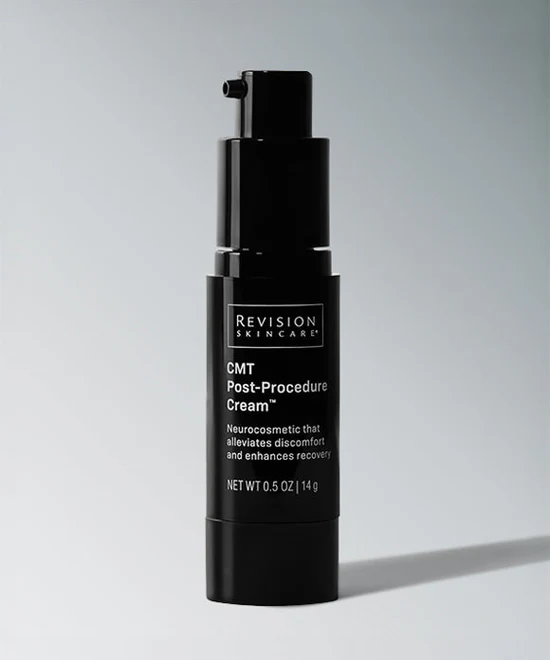
Some of my favorite post-treatment products include Revision CMT Post-Procedure Cream, which was the only thing I could tolerate after my last Morpheus8 and CoolPeel session. My face felt like it was on fire for 24 hours, and this neurocosmetic almost-instantly soothed my sore skin.
I also used the Timebeam Moisture Melt Serum Balm and Cryo-Roller, am a diligent user of this CISL Seoul PDRN+ Peptides(3x) Cream, and also used an Avene Cicalfate+ Serum I bought at an Italian pharmacy in Rome, but it’s essentially this one.
As for keeping the glow alive, my morning routine is chockablock with antioxidant-rich, pigment-protecting serums like Skin Pharm’s High Beam, Obagi Professional-C 20% Serum, and the SkinBetter Even Tone Correcting Serum. And last but not least: an SPF of at least 40. My go-to is Skin Pharm Tinted Mineral SPF 44.
So which treatment will you try?