.jpeg)



Our team is dedicated to finding and telling you more about the web’s best products. If you purchase through our links, we may receive a commission. Our editorial team is independent and only endorses products we believe in.
We like
We don't like
There is a pervasive myth that running is the "free" sport. You know the line: all you need is a pair of sneakers and the open road. But minimalism shouldn't mean settling for mediocrity. The reality is that your kit acts as the interface between you and the environment, and when that interface is an afterthought, it becomes a distraction that pulls you out of the moment rather than propelling you forward.
When I first started running, I just recycled general "athletic" gear I had lying around from gym sessions and soccer practice. But as I learned more about the sport and became more attuned to my body’s performance in specific conditions, I began to take my kit a little more seriously. I realized that having the right gear doesn't just make a run tolerable; it actually makes you want to get out the door.
It all started with a few strategic upgrades—a premium thermal layer here, a pair of liner-equipped shorts there—and the difference was undeniable. Now, as someone who tests a dizzying amount of running products, I’ve developed a sharp radar for what is actually worth the splurge. With the rise of 'status' run brands like Satisfy and Bandit, there is no shortage of expensive gear to covet. The key is learning to distinguish between a vibe and a tool. The pieces actually worth the investment distinguish themselves through problem-solving engineering, rather than just social cachet.
Eventually, I stopped looking at these purchases as frivolous expenses and started viewing them as worthwhile investments. The right pieces reduce friction between you and your mileage, and that’s certainly worth something.

The Criteria: How to Justify a Price Tag
I test a lot of products. In fact my closet has become a revolving door of fabrics, fits, and promises. When I’m looking at a piece of gear that costs as much as a nice dinner out, I need more than just a cool logo. I need function and integrity.
If I am going to recommend you spend your hard-earned money on a premium piece of running gear, it has to pass a rigorous set of filters. Here is exactly what I look for before a piece earns a permanent spot in my rotation:
The "Disappearing" Act
The highest compliment I can pay a piece of running gear is that I forget I’m wearing it. Sounds cliché, and it is, but it’s true. If I have to adjust a waistband, pull down a hem, or scratch an itch at mile six, it has failed. High-investment gear should feel like a second skin—frictionless, weightless, and silent.
The 'Cost-Per-Wear' Ratio
Versatility is paramount. Can I wear this thermal layer for a snowy 5K, but also under a shell for a ski trip? Does this toque look just as good grabbing a post-run cortado as it does on the trail? If a piece is strictly single-use, the price bar is lower. If it’s a multitool for my active life, I’m willing to pay up. Ultimately, the most expensive piece of gear you own is the one that never actually makes it out the door.
Technical Durability
Running is hard on clothes. Between the salt from sweat, the friction of movement, and the brutality of the washing machine, cheap synthetics degrade fast. "Investment" means it retains its shape, elasticity, and technical properties (like wicking or heat retention) after season three, not just week three.
The Psychological Edge
Call it vanity, call it the "look good, feel good" effect, but I call it performance psychology. There is a tangible shift in my cadence when I put on a kit that fits impeccably and looks sharp. If a piece of gear gives me that extra 5% of confidence to push harder on a tempo run, then it’s worth more in my book.
The Pieces That Earn Their Keep
The reality of the modern running market is that a high price tag isn't a guarantee of high performance—but it isn't an automatic disqualifier, either. We’ve all been burned by "premium" gear that turned out to be little more than a basic synthetic tee with a trendy logo. In an era of skyrocketing brand premiums, you should be more skeptical than ever of the price you’re asked to pay.
However, there is a distinct difference between a product that is overpriced and one that is simply expensive. True value is found in the "buy it nice or buy it twice" philosophy: a piece that costs double but lasts five times as long and performs flawlessly in the elements is, mathematically, the better deal. The following selections are the rare outliers where the engineering justifies the invoice, proving that while price and quality don't always scale linearly, sometimes you truly do get what you pay for.


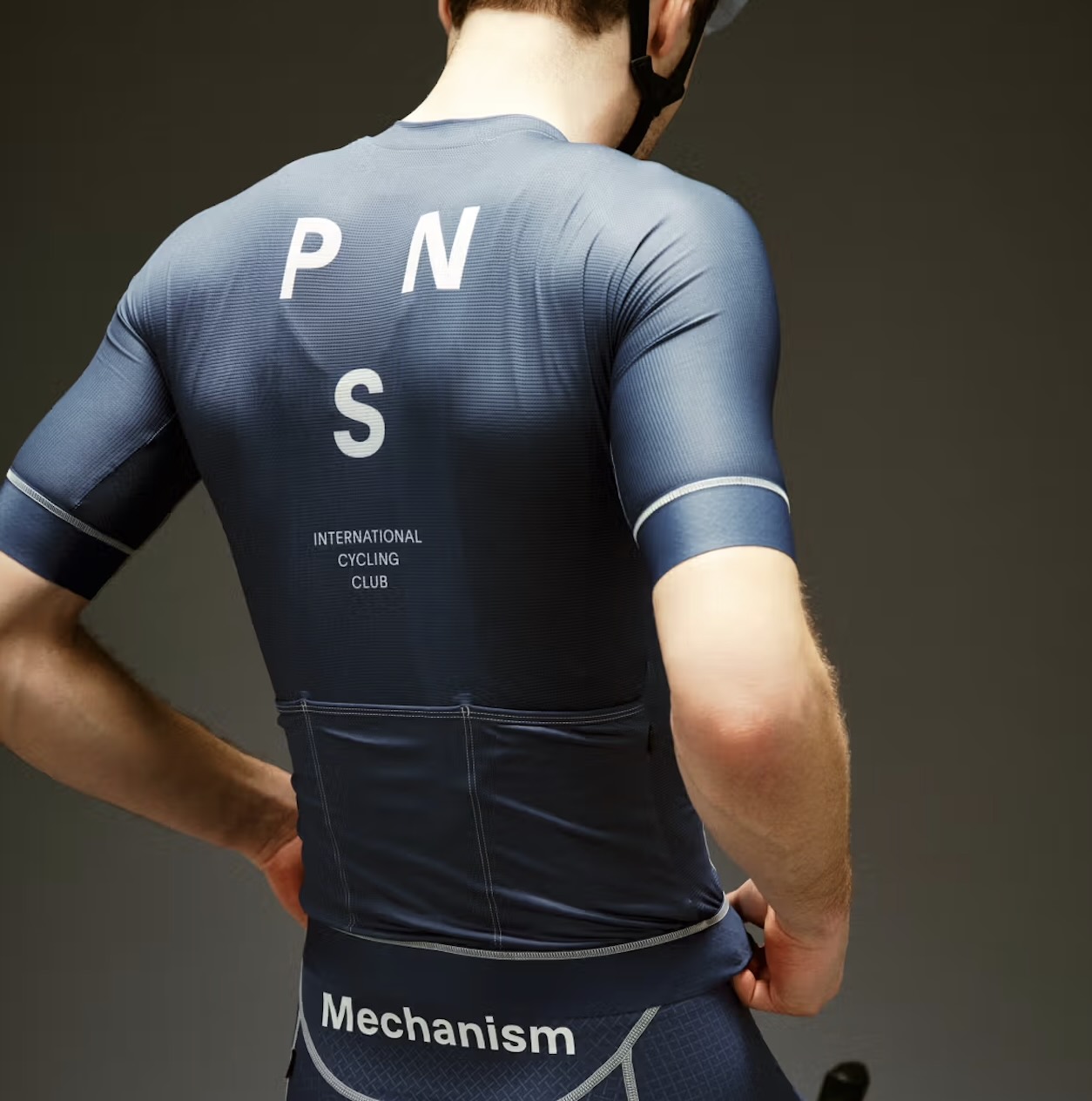
The shift away from cheap, scratchy synthetics toward a high-integrity blend of wool and silk makes this shirt a masterclass in material science. While the "natural fiber" tag often scares people off due to durability concerns, this piece remains remarkably resilient while feeling completely soft against the skin. Its true value lies in its travel-ready versatility; thanks to the inherent antimicrobial properties of the blend, you can run through a humid city, hang it up to dry, and wear it the next day without a hint of odor. It is the ultimate "one-shirt" solution, which means its value is probably twice that of its synthetic counterparts.
We like
We don't like


I get it——$240 for a pair of running shorts is somewhat laughable. But hear me out. If there is a single product that justifies the "status" price tag through pure tactile superiority, it is Satisfy's TechSilk short. These are, without exaggeration, the most luxurious running item in my rotation, featuring a shell that manages to be both paper-thin and incredibly quick-drying. The internal liner provides a genuine "second skin" fit that eliminates the need for additional layers, while the integrated pocket system is engineered to carry essentials without the bounce typically found in cheaper alternatives. When you wear these, you aren't just paying for the Satisfy aesthetic; you're paying for a frictionless experience that makes the triple-digit price tag feel like a fair trade for the performance.
We like
We don't like
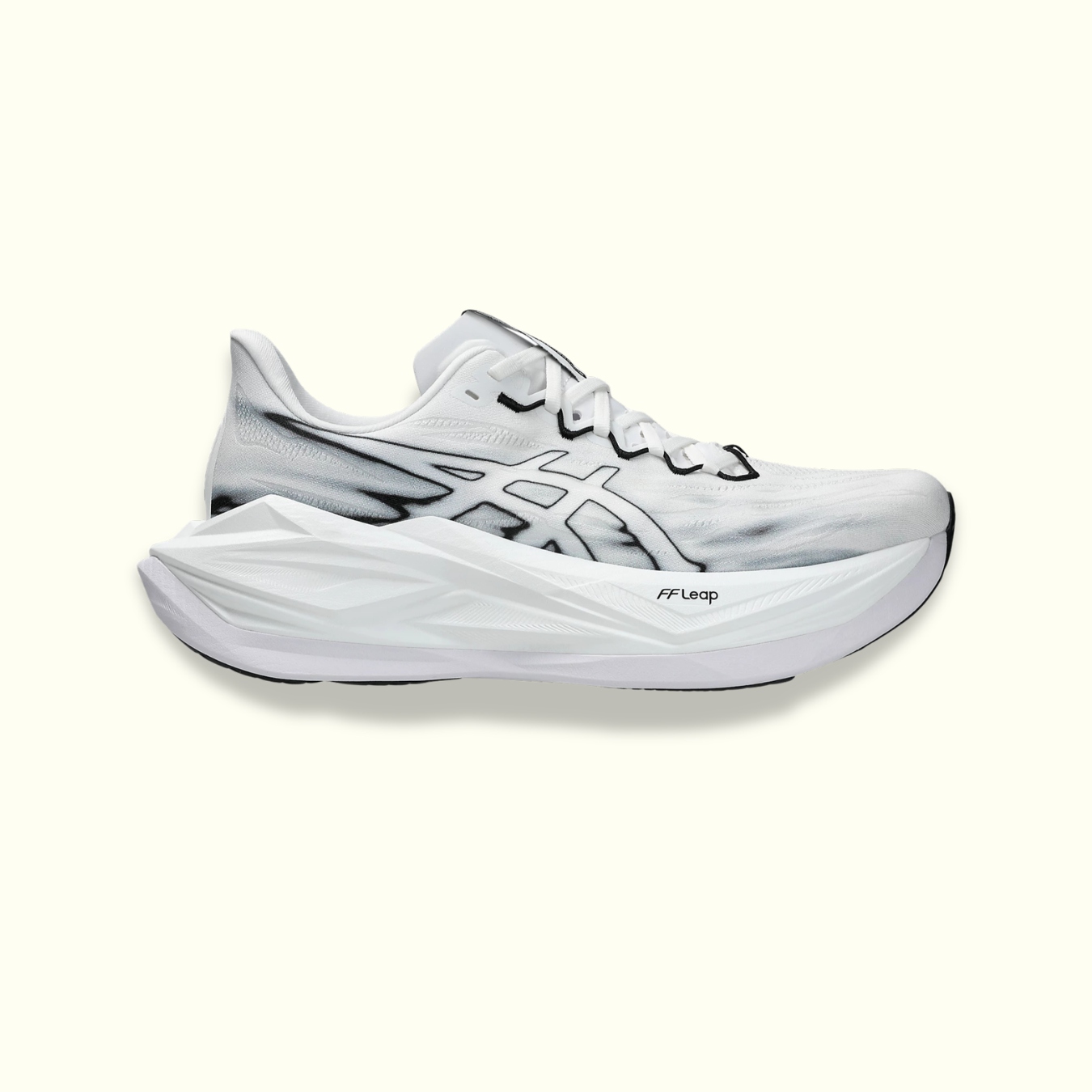
When friends ask for a single shoe recommendation that can handle the entire spectrum of training, the Superblast is my definitive answer. While many "super trainers" are one-trick ponies, the Superblast manages to be plush enough for recovery days yet responsive enough for aggressive tempo sessions. It bridges the gap between a daily workhorse and a carbon-plated racer, offering a high-stack, energy-returning ride that saves your legs during long efforts. It is the rare $200 shoe that actually saves you money in the long run because it effectively replaces the need for a three-shoe rotation.
We like
We don't like
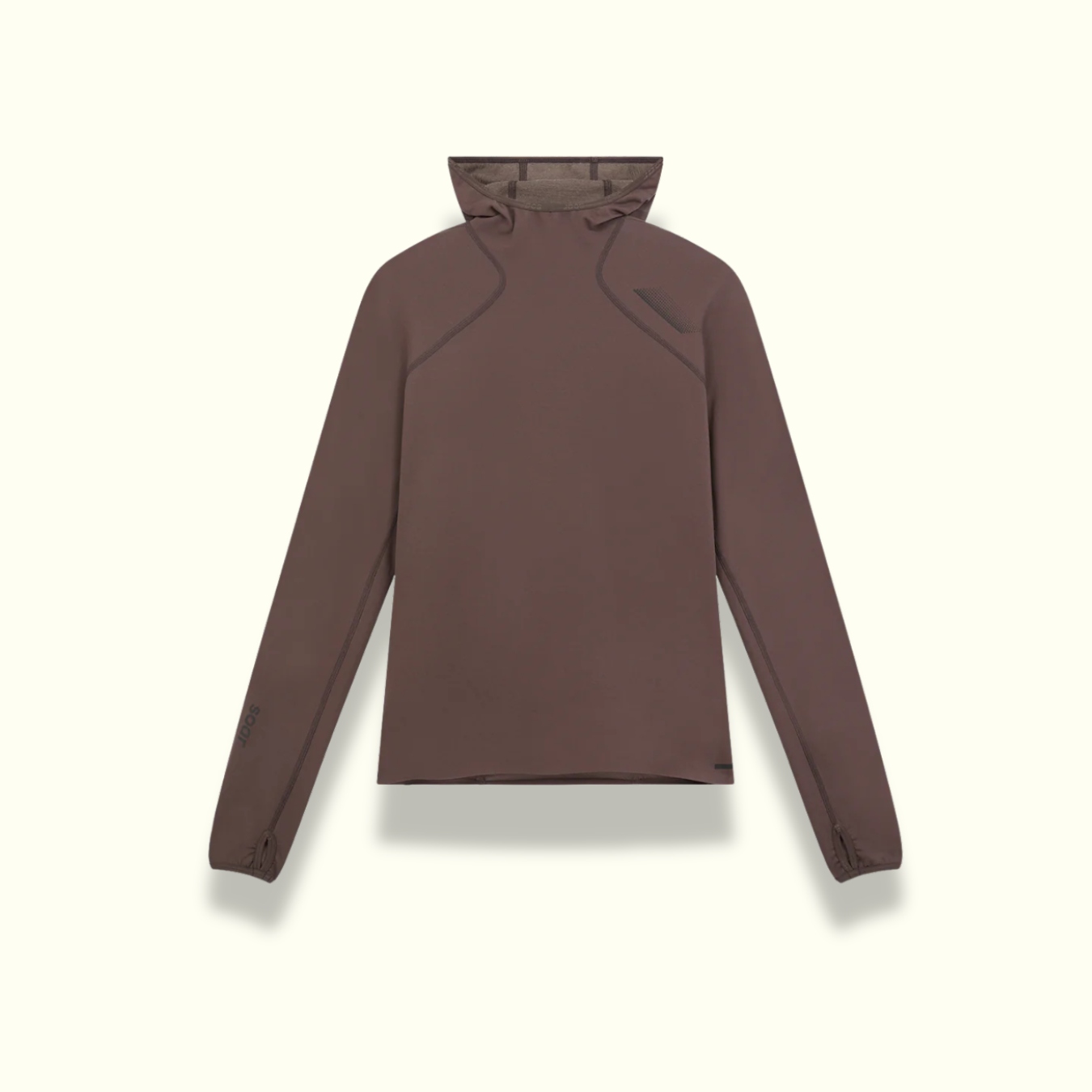
Soar produces arguably the most meticulously considered running apparel on the market today, and the Wooltech Top is the crown jewel of their colder-weather lineup. By leaning into natural fibers, they've created a thermal layer that manages heat and moisture far more effectively than traditional polyester fleeces. The integration of the hood and thumb loops provides a seamless seal against the elements, making it an essential tool for those "buy it once" winter athletes. It's a piece that doesn't just survive a single season of sweat and washing—it retains its shape and technical integrity, proving that Soar's premium is a reflection of construction quality rather than just branding.
We like
We don't like

Bandit has built a reputation on their compression gear, and this latest iteration of the Cadence tight proves they aren't resting on their laurels. The most significant upgrade here is the refined elastic band at the thigh—a notorious pain point for runners—which now provides a secure, "stay-put" fit without the restrictive digging found in previous versions. Beyond the garment itself, the utility is bolstered by a thoughtful storage system that allows you to carry a phone and gels with zero displacement. For just over $100, these are an easy checkmark in my book.
We like
We don't like

The Coros HR Monitor is the perfect example of a "problem-solving" investment that renders alternatives obsolete. For years, runners have had to choose between the precision of a restrictive chest strap and the convenience (but frequent inaccuracy) of wrist-based optical sensors. This device bridges that gap by moving the sensor to the bicep, where it provides a "disappearing" fit that is far more comfortable than a chest strap while maintaining elite-level data integrity. With a simple, distraction-free design, it provides the peace of mind that your data is accurate, allowing you to focus entirely on the effort rather than fidgeting with your tech.
We like
We don't like
Ultimately, your gear should act as an invitation, not an obstacle. When you’re getting dressed, the right kit provides the confidence needed to commit to the miles ahead. In a market flooded with "disposable" fast-fashion and overhyped lifestyle drops, being a discerning runner means knowing exactly when to save and when to spend.
By shifting your perspective from "cost" to "value," you stop paying the beginner’s tax and start building a high-integrity kit that actually lasts. Remember: investing in these select pieces isn't about buying speed. Rather, it’s about buying the comfort, durability, and mental edge that keep you coming back to the road day after day.