


.jpg)
Our team is dedicated to finding and telling you more about the web’s best products. If you purchase through our links, we may receive a commission. Our editorial team is independent and only endorses products we believe in.
Welcome to The Quality Makers, an interview series highlighting pioneers in the direct-to-consumer space. Join us as we get an inside look at the world of digital shopping through the eyes of the individuals shaping it…
I met Dr. Natacha Bonjout at her launch event for La Cream about a month ago, and even in a brief conversation, it was clear this wasn’t just another skincare brand. In an industry that thrives on excess, Bonjout stands apart for its restraint. As she puts it, “I don’t believe in building a brand by multiplying products. You can build something strong with very few—if each one is essential, and truly performs.” That philosophy isn’t just branding, but the foundation of everything she creates.
Read on to discover the science behind her skin-first approach, the philosophy redefining “less is more,” and why Le Balm has become a TQE reader-favorite.
We like
We don't like
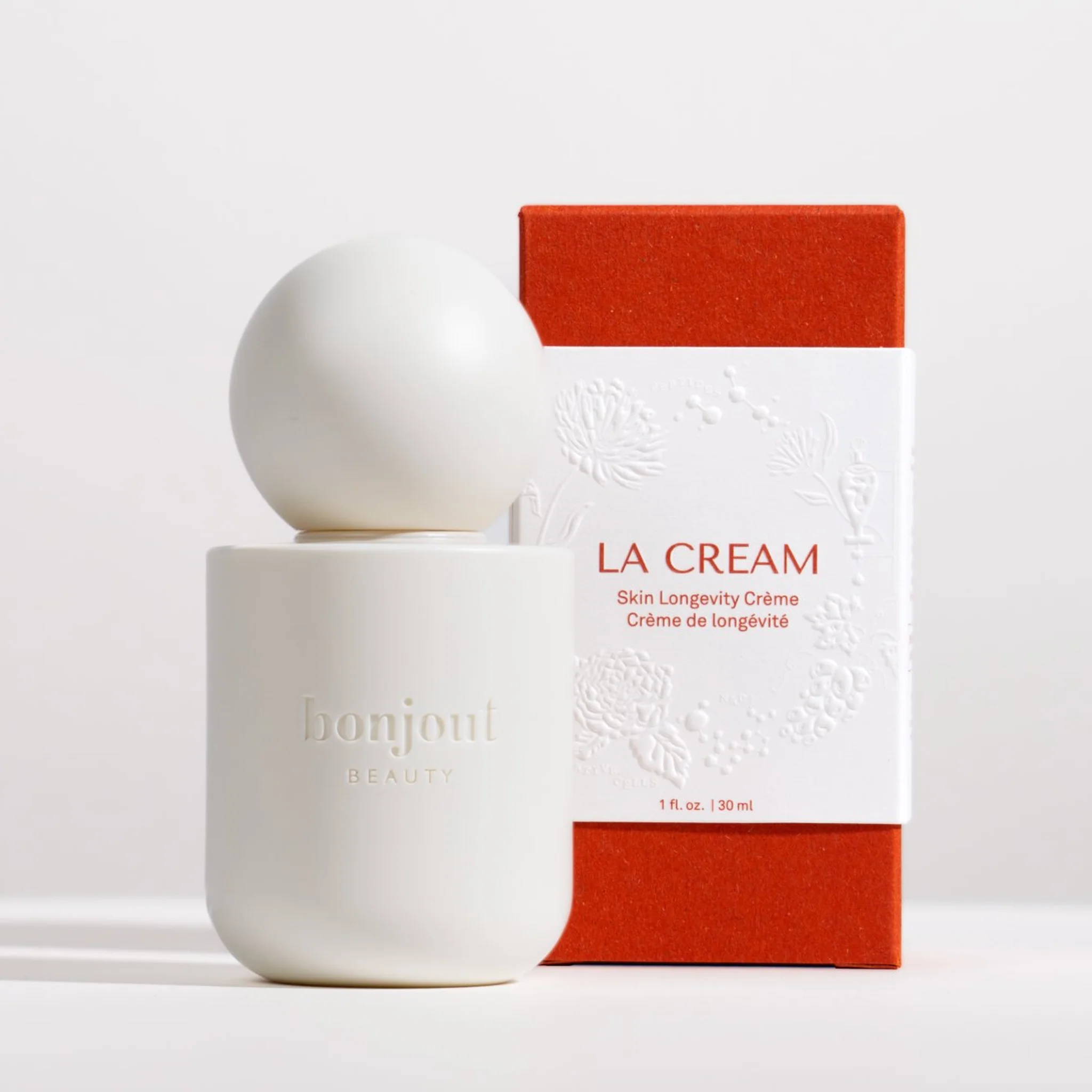


Bonjout Le Balm is my all-in-one skin savior. It was developed by French pharmacist Natacha Bonjout who is from the South of France ~like me!~! This magic compact balm has 68 active ingredients, it’s healing and protective but non-comedogenic. I use it as a serum morning and night and double use when I travel.
We like
We don't like
Q: Bonjout launched with just one product. Now you’re introducing your second. What did that evolution look like, and how did you know it was the right time to expand?
A: I started with what I consider essential.
Le Balm was designed to repair the skin barrier—to nourish, restore, and rebuild the foundation of the skin. That’s the starting point. Because if the skin barrier is not healthy, nothing else you apply will work properly.
You have to begin with what is vital for the skin.
Then comes a second level. La Cream was developed to act at the cellular level—to work on the aging process in a more targeted, more precise way.
So the evolution was very logical: first, repair the foundation. Then, go deeper and work on the biology of the skin itself.

Q: You spent nearly three years and 100 iterations developing a single product in an industry that thrives on constant launches. What gave you the confidence to go against that pressure and were there moments you almost didn’t?
A: It was really a gut feeling.
From the beginning, I felt this was the right way to build the brand. I didn’t follow trends. I didn’t follow investors, consultants, or even retailers—everyone was pushing for more launches.
I was told it didn’t make sense to start with one product. It didn’t make sense to stay with one product for three years.
But the way we built Bonjout is very different. We focused deeply, instead of expanding quickly. And that focus became our strength.
Part of it also comes from how I was trained. As a French pharmacist, I’m extremely demanding. It’s not enough for a product to work—it has to outperform. Every active is selected very precisely, at the highest quality standard, and used with intention. You develop it almost like a medicine.
But more than that, it was really my way of doing things—my instinct, my conviction.
It’s what allowed us to grow from 500,000 to 10 million in three years.
So today, it looks like the right decision. But at the time, it was just that—my gut guiding me.
Q: Le Balm has become a hero product for so many of our readers. What was the original problem you were trying to solve with it, and how do you personally use it day-to-day?
A: Le Balm is different because it addresses the skin barrier in a very unique way.
It’s formulated without water and designed to be very close to the structure of the skin barrier itself. At the same time, it’s deeply nourishing, yet non-comedogenic, and the texture is extremely light.
It doesn’t feel like a traditional balm. It’s not heavy, not sticky—it’s more like a veil on the skin. The texture is really a point of differentiation.
It’s also a true multitasking product. It replaces multiple steps in the routine. I use it as a moisturizer, but also as an eye treatment, a lip care product, and for the neck.
It’s an essential—something you use once and then never want to be without.
Q: You’ve said “less is more is a discipline.” How does that mindset show up in your daily life beyond skincare–whether in your routine, work, or even how you consume?
A: It’s a funny question because I’ve never really asked myself that—but it’s very true.
For example, when I travel now, I never check a bag. I only take the essentials. And I used to be the opposite—if I was allowed two large suitcases, I would take both. I always felt like the more I had, the safer I was.
Now it’s completely different. I prefer to travel light, with only what I truly need. It changed the way I move, the way I think.
It’s the same with workouts. I keep it very focused—I do hot barre for muscle strengthening and I swim for cardio. That’s it. I don’t try to do everything.
Even with supplements, I follow the same logic. I take AG1 every morning—I like the idea of having one product that covers everything, instead of multiplying steps.
And with food, I keep it simple. Very fresh ingredients, a few recipes I love, and I refine them over time. I don’t overcomplicate.
It’s really about that—removing everything that’s not essential, and focusing on what actually works.
Q: “Skin longevity” is everywhere right now, but it can feel like a buzzword. What does it actually mean to you in practice?
A: I agree—it’s become a buzzword. Everyone is using it.
But I chose to approach it in a very different way.
First, it’s about the formula itself. It has to work in sync with the skin. I developed a very rare, biocompatible inverse emulsion that allows the formula to integrate with the skin and helps the actives penetrate more effectively.
This type of emulsion is extremely rare in the industry. It’s much more expensive to develop, it requires a very specific cold process, and it’s inherently difficult to stabilize. It takes many iterations to get it right. Most brands don’t go that route because of the cost and complexity.
Then it’s about the actives you choose. You can’t talk about longevity without working at the right level.
I chose to work with an NAD+ booster, which targets the core of the cells—at the mitochondrial level. This is where skin function and energy are regulated.
This kind of approach is still very new in cosmetics, and it’s what makes the formula truly different.
So even if the term “longevity” is everywhere, the way we approach it—the technology, the structure of the formula, the level we target—is very specific, and very intentional.
Q: In a category saturated with “miracle” ingredients, how do you personally decide what’s actually worth believing in?
A: The industry follows trends. If Google Trends says retinol is trending, everyone puts retinol in their formulas. But no one really stops to think about the skin itself.
Retinol, for example, can be very aggressive if it’s used daily. It can damage the skin barrier, make the skin thinner, more sensitive, more inflamed.
So I chose to go against that.
I approach everything as a scientist first. I ask myself: what does the skin actually need? What would I use to support the skin barrier, or skin longevity, in a real way?
Then I go back to the data. I look at the clinical studies behind each active [ingredient].
For the past 15 years, I’ve been attending trade shows, meeting directly with the scientists who develop these ingredients. I sit with them, I review the data, and I understand how each active [ingredient] works at a deep level.
I also spent 10 years working in the active ingredient industry, so I know the landscape very well—who develops what, at what quality, and with what level of rigor.
So when I select an ingredient, it’s not based on trends. It’s based on science, on performance, and on a very precise understanding of the market.
Q: You worked with 12 labs across different countries. What separates a good formula from one you consider truly exceptional?
A: The reason I worked with 12 different labs is because I had no benchmark.
Usually, when you develop a product, you start from something that already exists. You bring a reference, a base formula, so chemists have a structure to build from.
In my case, there was nothing like what I wanted to create. No reference, no starting point. That makes the work extremely complex. They don’t know which base to use, how to build the texture, how to combine actives to reach both performance and sensoriality.
So the process becomes much more labor-intensive.
I also chose to work with multiple labs in parallel, to see which ones could really understand my vision. Because I’m also a formulator, I was very involved in the development. I wasn’t just approving—I was building the formula with them.
And it was difficult. What I wanted didn’t exist. Most labs had never worked on this type of formula.
I worked with labs in the US, France, Italy, across Europe, and in Japan.
In the end, the strongest collaboration came from a Japanese lab. It became a mix between the rigor of French pharmacy and the precision of Japanese formulation—especially when it comes to texture and finish.
The result is a truly unique texture combined with a very high concentration of actives.
That’s the most important part.
The formula also happens to be extremely clean, with over 99% natural-origin ingredients—but that’s almost secondary.
What really matters is performance, and how the formula feels and works on the skin.
Q: What does your actual morning and evening skincare routine look like right now?
A: Morning: thermal water, La Cream, Le Balm, SPF. Night: double cleanse, then La Cream, Le Balm.

Q: What are the 3 skincare products you’ve personally repurchased the most (besides your own)?
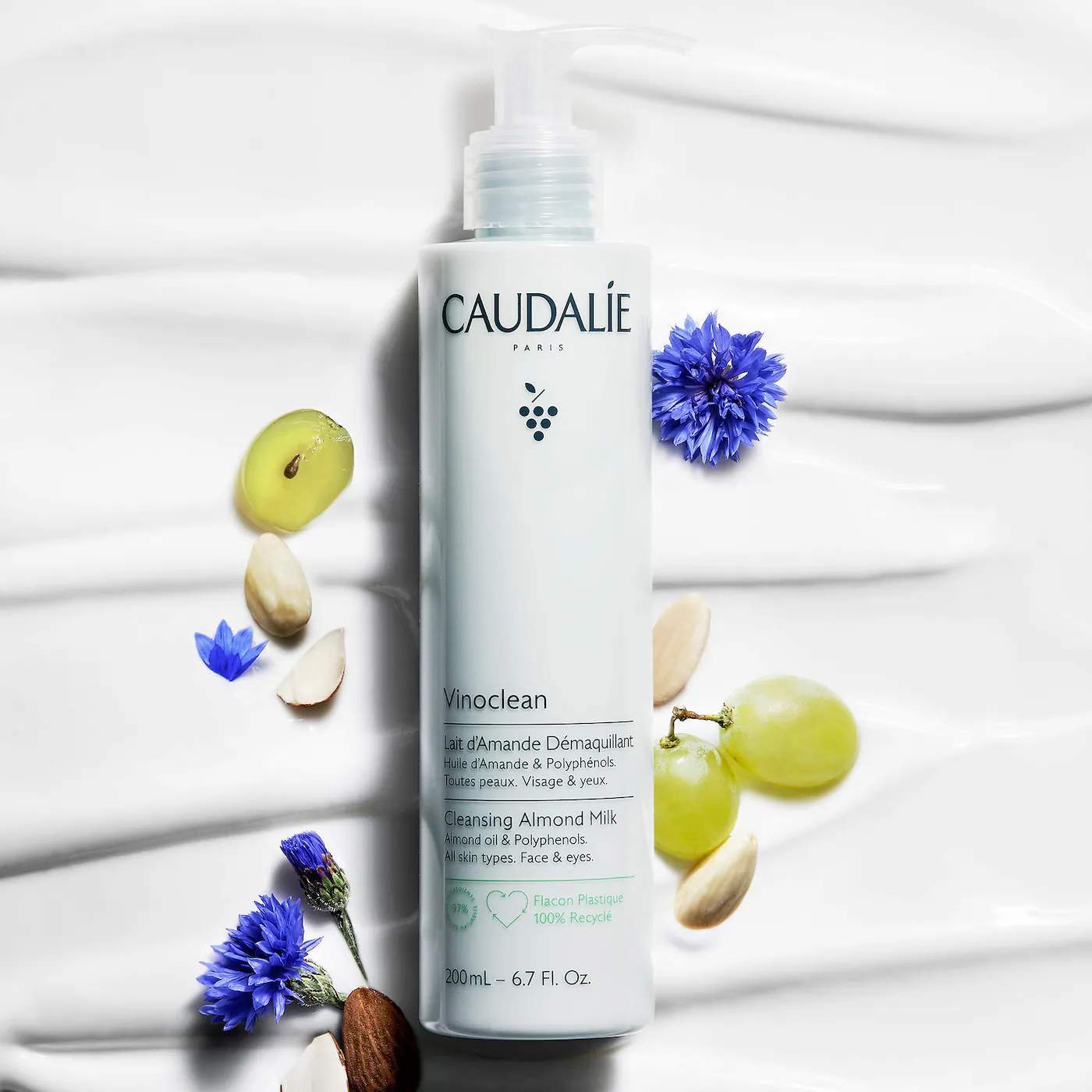
A: I keep my routine very minimal. A gentle cleanser—I like Caudalie for something effective but non-stripping.
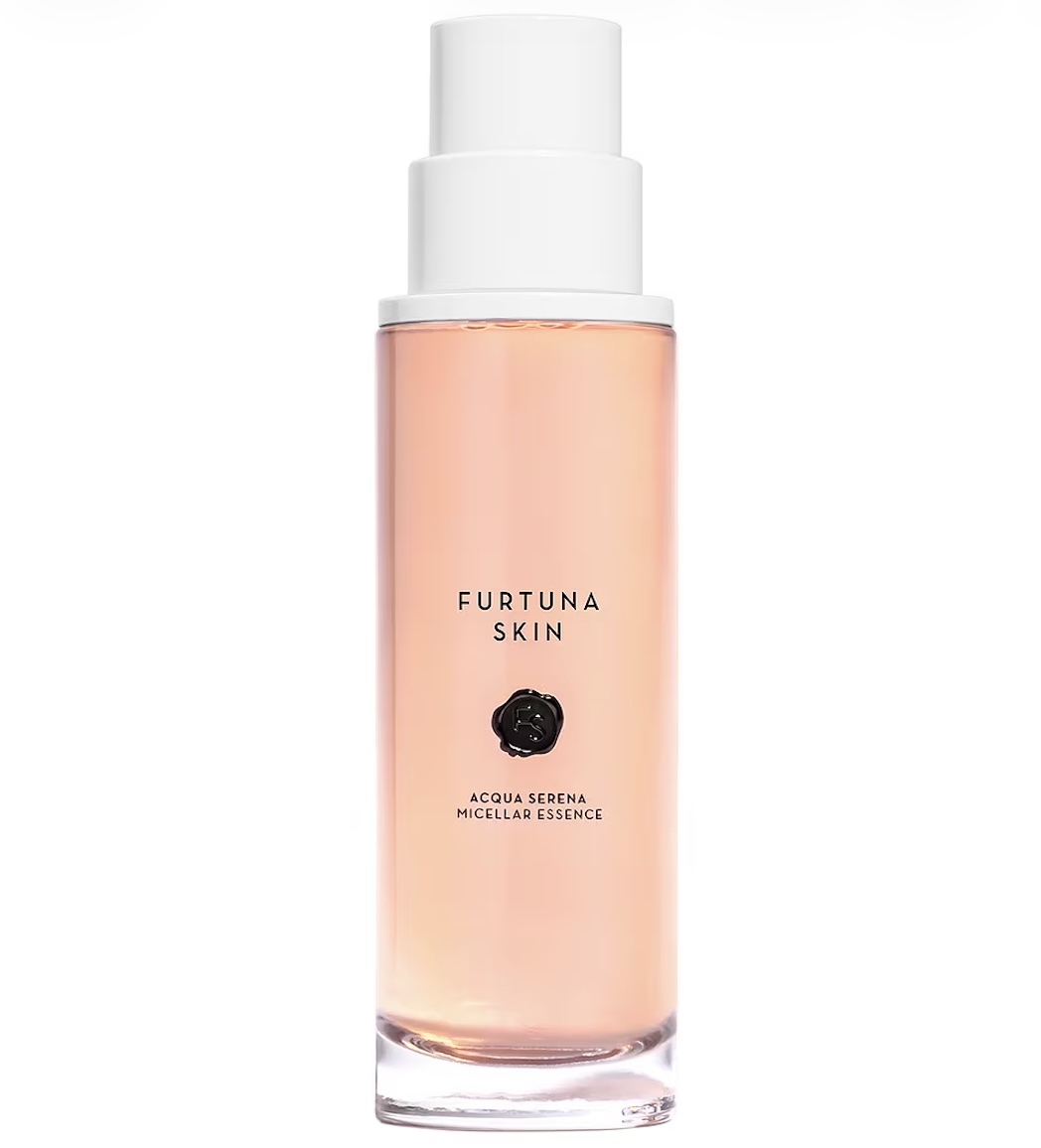
A hydrating micellar water—I often use Furtuna Skin for that first layer of hydration.
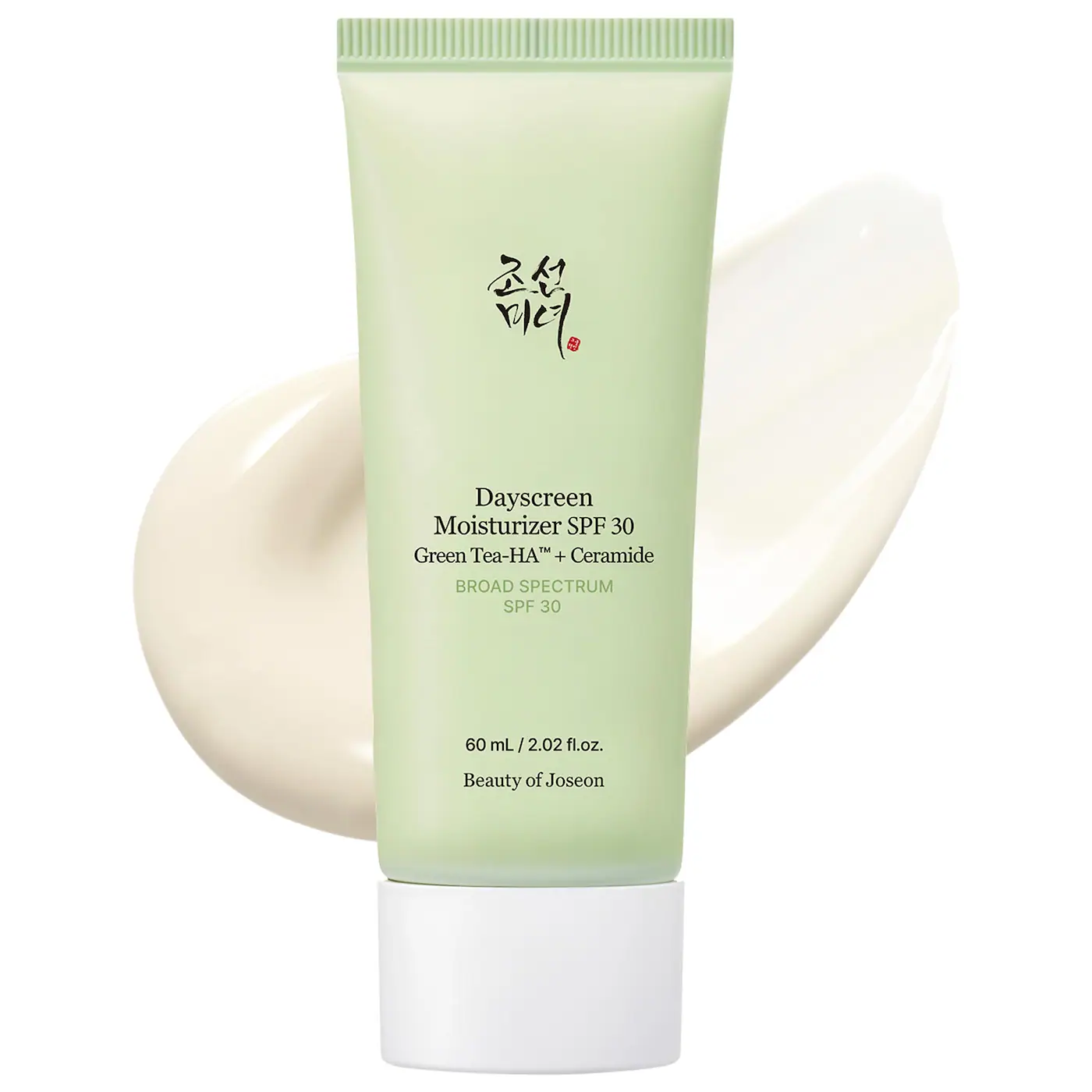
And SPF is non-negotiable—I like Beauty of Joseon for its texture and ease of use.
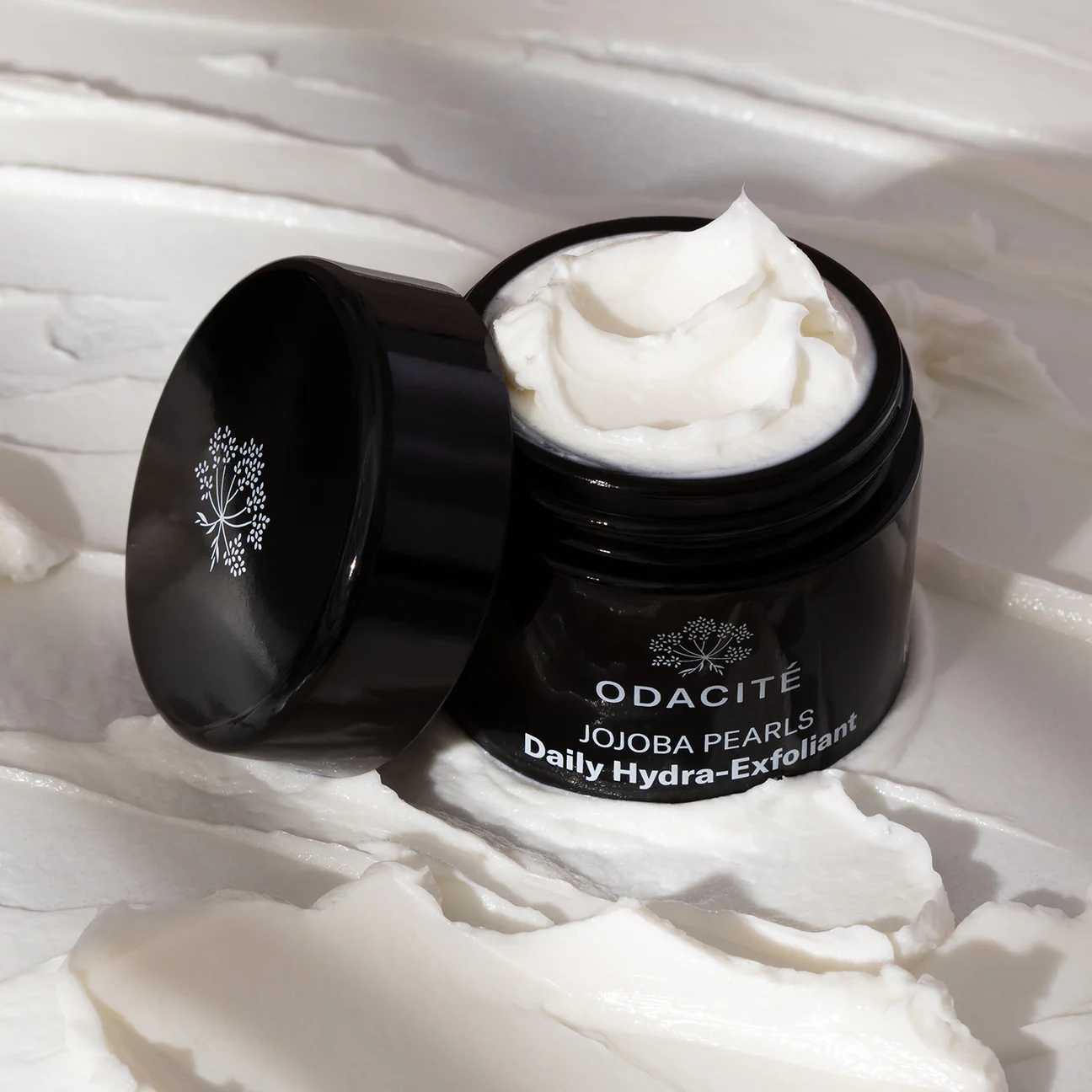
I also include gentle exfoliation once or twice a week—it allows the skin to renew and improves everything that follows. I like Odacité for that.
We like
We don't like
We like
We don't like
We like
We don't like
We like
We don't like
Q: What is the best beauty advice you ever received?
A: I grew up with a very strong rule from my mother and grandmother: always double cleanse at night. No matter what. That’s non-negotiable.
But if I had to choose the best advice—it would actually be the opposite.
Skip your morning cleanse.
Overnight, your skin produces a natural layer of sebum that acts as a protective shield for the day. If you cleanse in the morning, you remove that protection.
Keeping it is essential for maintaining balance and protecting the skin.
Are you interested in trying Bonjout’s products? Read our editor’s first-hand review of Le Balm.
.jpeg)
.jpeg)
.jpg)


