We like
We don't like
Our team is dedicated to finding and telling you more about the web’s best products. If you purchase through our links, we may receive a commission. Our editorial team is independent and only endorses products we believe in.
If your For You Page looks anything like mine, you’ve probably seen that TikTok creator Alix Earle launched Reale Actives, a skin care line “built for breakouts.” So how did the 25-year-old University of Miami student–turned-influencer go from posting “get ready with me” videos in her dorm room to building a full-fledged beauty business?
It all started on TikTok, where she skyrocketed to fame for her makeup tutorials, college party vlogs—and her candid conversations about her struggles with hormonal cystic acne. Roughly 14 million followers later, Earle teamed up with cosmetic dermatologist Dr. Kiran Mian and on March 31, released four anti-acne products: a cleansing balm, gel cleanser, moisturizer, and mandelic acid serum.
It’s a headline that almost sounds too good to be true: everything is under $40, the brand hit $1 million in sales in less than five minutes and sold out of its inventory by 4 p.m, according to Puck. But online, the launch has also sparked serious debate, with some pointing out that the influencer has previously used prescription treatments like Accutane and Spironolactone to clear her breakouts, raising questions about how much of her skin success can actually be attributed to Reale Actives itself.
Others have also flagged that not all of the products are considered universally safe for acne-prone skin types. But as a beauty writer who has dealt with deep-rooted breakouts and once chased every “one-size-fits-all” skincare brand that claimed to clear skin, I know these claims often warrant a closer look. I’ve also personally seen improvements in my own skin after cutting out pore-clogging skincare and makeup, which is why I’m especially attentive when marketing and ingredient lists don’t always tell the same story.
To dig deeper, I ran the full line through my go-to pore-clogging ingredient checkers from CLEARSTEM and Acne Clinic NYC—and the results were mixed. I also asked my own board-certified dermatologist Dr. Marisa Garshick to weigh in on the findings.
However, before getting into the products that live up to Earle’s claims—or not—it’s worth asking: what does “acne-friendly” and “pore-clogging” actually mean?
“Pore-clogging ingredients are exactly what they sound like and refer to ingredients that can clog pores and contribute to breakouts,” explains Garshick. When it comes to skincare lines like Earle’s, she adds that “‘acne-friendly’ often refers to products and formulations that don’t make acne worse.” In practice, “that typically means formulas that are gentle, barrier-supportive, and less likely to trigger irritation.”
Acne-Approved
The good news: the cleansing balm, gel cleanser, and mandelic acid serum all appear to be marked safe from commonly used pore-cloggers. According to CLEARSTEM and Acne Clinic NYC’s, all three are completely free of breakout-causing ingredients, including things like “heavy oils, coconut oil, isopropyl myristate, and waxes and butters,” says Garshick. So go ahead, add them to your anti-acne routine!
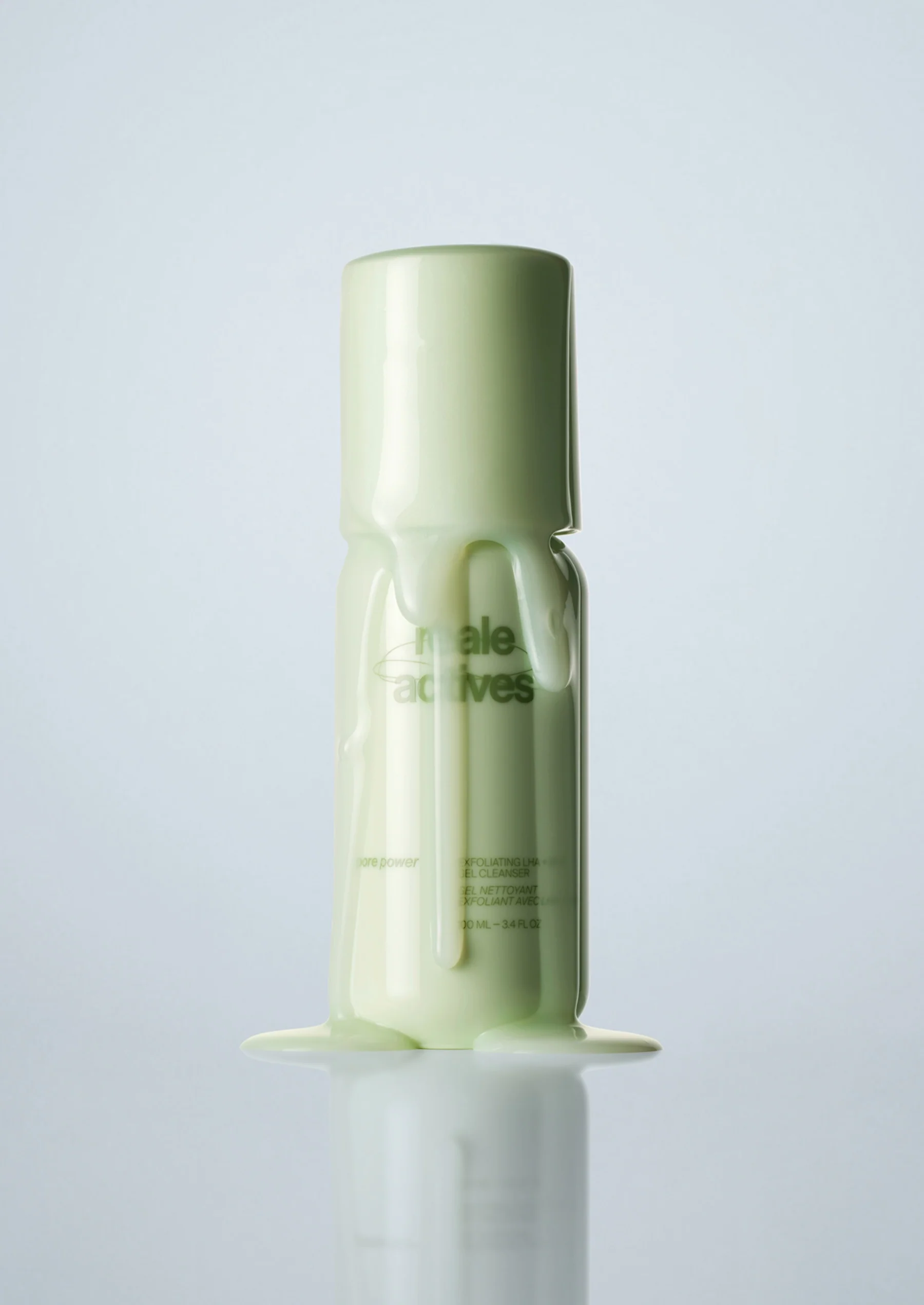

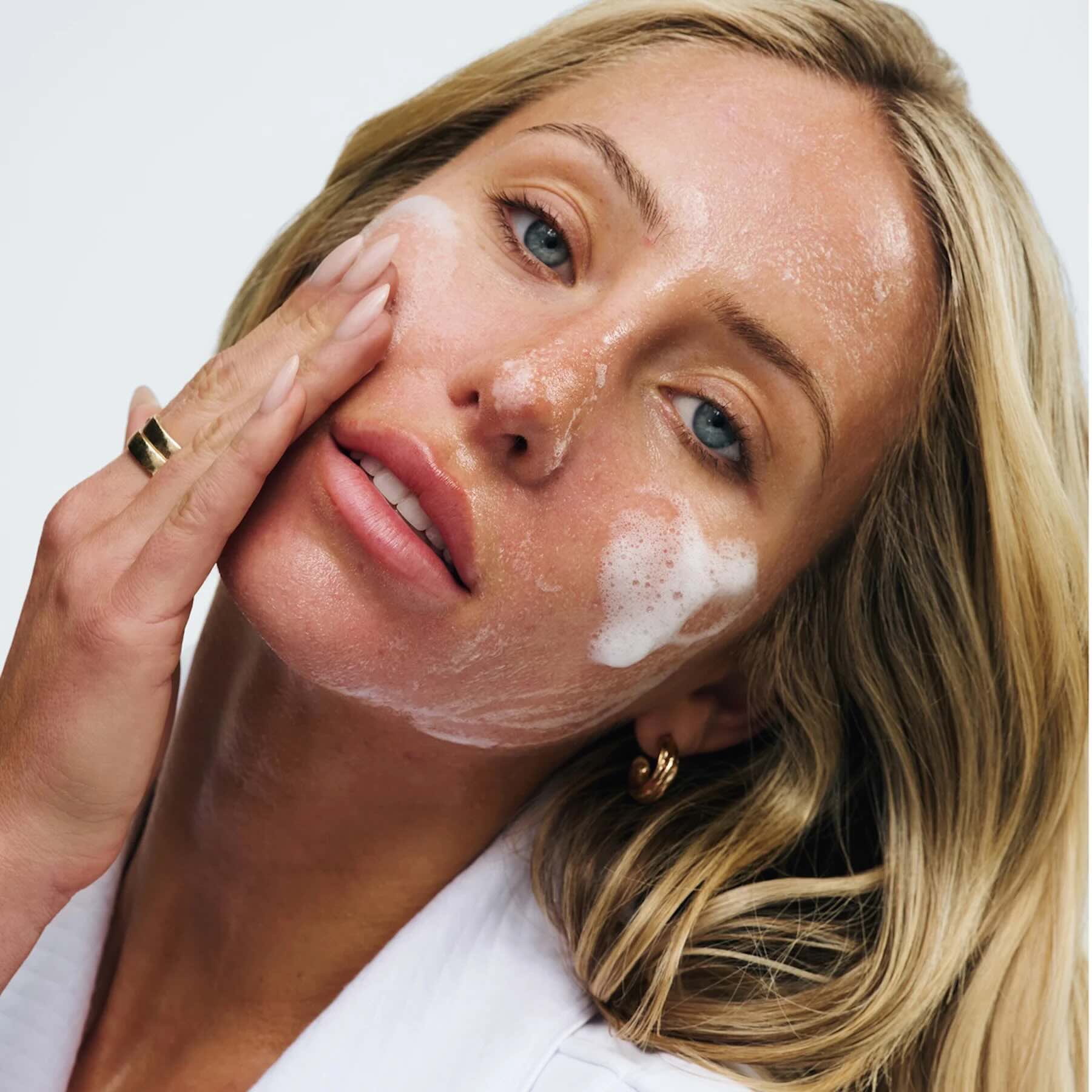
A gel cleanser powered by exfoliating actives like capryloyl salicylic acid (LHA) and willow bark extract (BHA), designed to help dissolve buildup and unclog pores. It's balanced with hydrating and soothing ingredients like glycerin, centella asiatica, and ginger root extract to help reduce the risk of over-stripping while maintaining clarity.
We like
We don't like

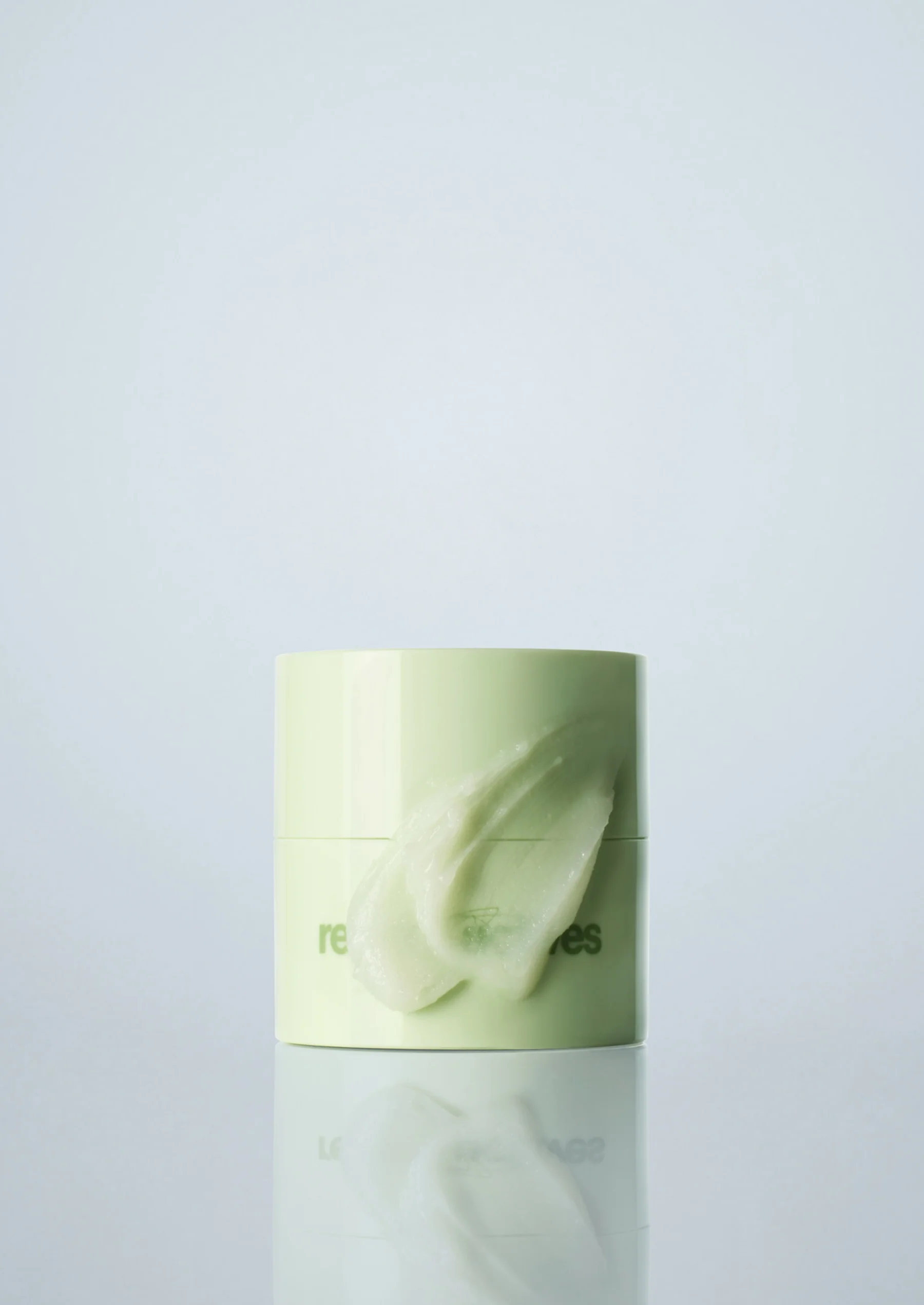
A cleansing balm formulated with a squalane base and a blend of seed oils including grape seed, meadowfoam, and sea buckthorn oil to break down makeup and sunscreen. It also blends green tea extract with tocopherol (vitamin E) to help calm and support the skin barrier while cleansing.
We like
We don't like
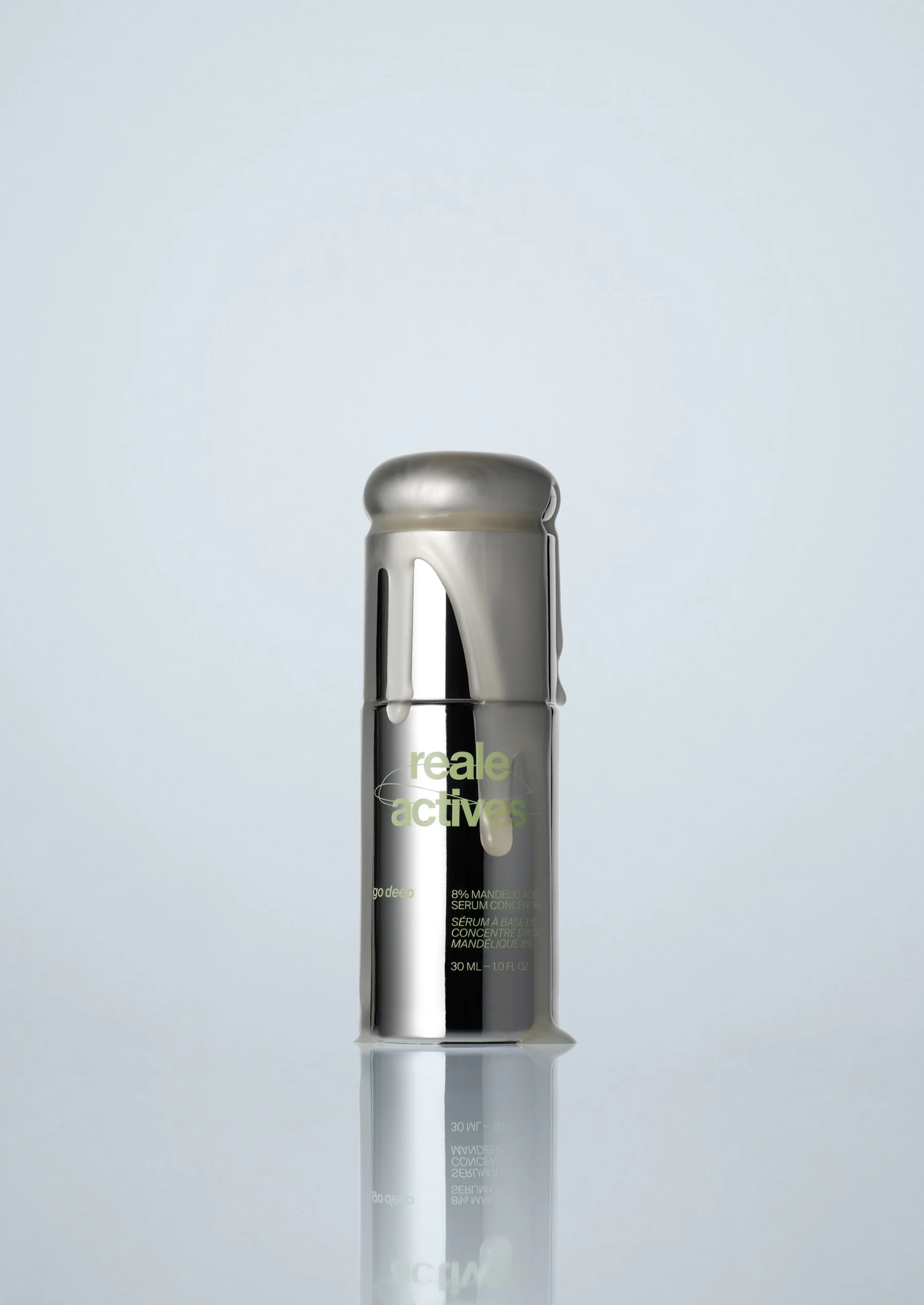
An exfoliating serum centered around 8% mandelic acid, an AHA known for being much gentler on sensitive, acne-prone skin. It's supported by ingredients like licorice root extract, centella asiatica, squalene, and glutathione, which aim to brighten, soothe, and support overall skin clarity over time.
We like
We don't like
Not-Acne-Approved
The Dew More moisturizer is where things get a bit more complicated. In total, the ingredient checkers flagged six(!) known pore-clogging ingredients: shea butter, diisostearyl malate, sorbitan oleate, rapeseed oil, palmitic acid, and pelvetia canaliculata extract, which can all “worsen congestion and contribute to breakouts by trapping oil, bacteria, and dead skin cells within the pore,” Garshick explains. “This may ultimately make breakouts harder to treat, even when using active prescription treatments.”
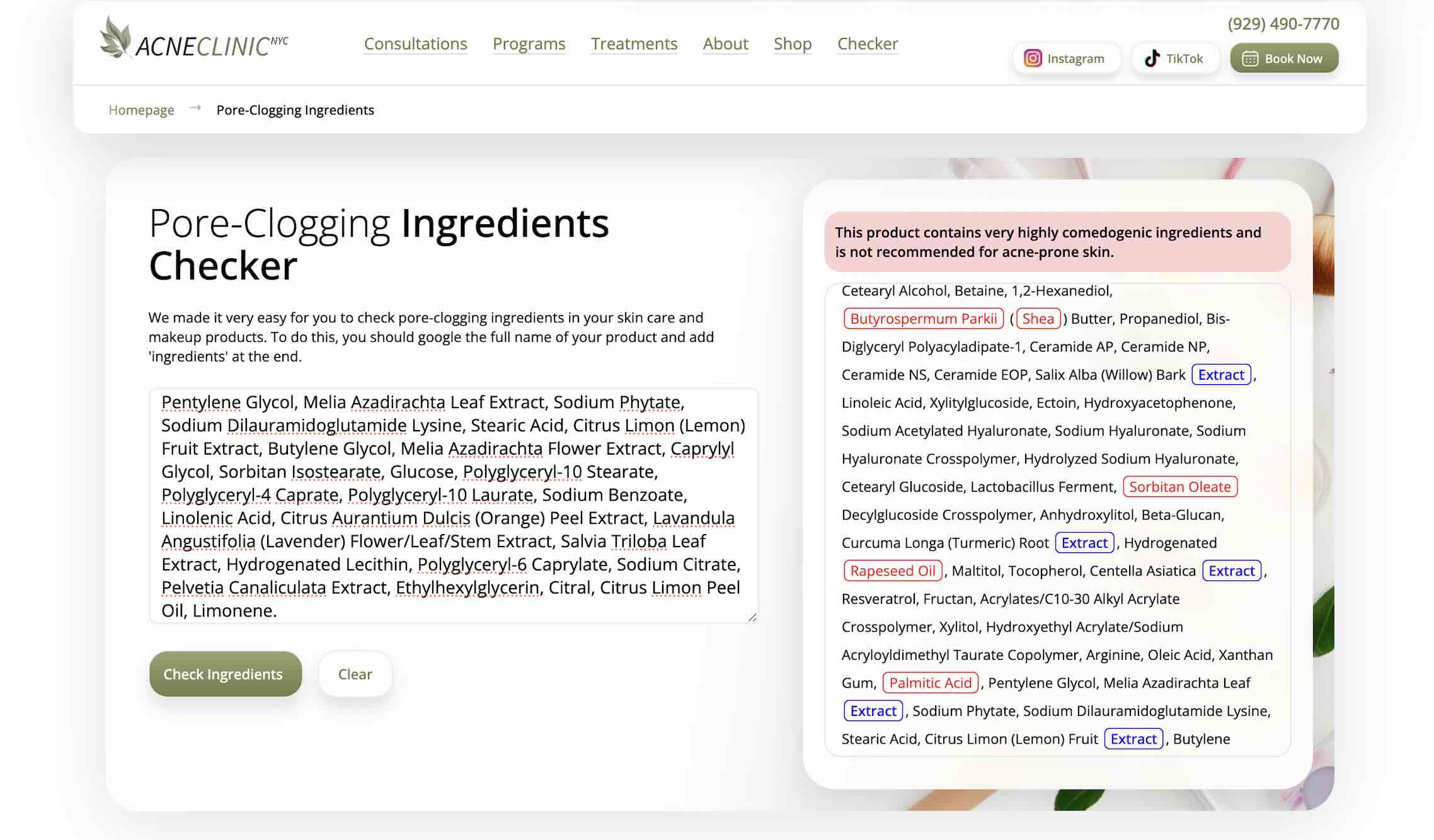

Altogether, the findings paint a mixed picture for the TikTok creator’s new skincare line. While most of the products appear to align with acne-safe standards, the moisturizer in particular raises questions about how consistently the “built for breakouts” positioning holds up in practice.
As Garshick tells me, “a truly acne-safe product is intentionally formulated with both efficacy and tolerability in mind.” That means “avoiding unnecessarily heavy or occlusive ingredients while incorporating science-backed active ingredients at therapeutic concentrations.” And ideally, “it should also undergo testing on acne-prone skin to support its use in this group.” She also adds that “products that are marketed as acne-friendly may rely more on branding than formulation, without necessarily including ingredients that truly help or support an acne regimen.”
So for consumers with acne, that distinction matters. “It is best to think of products marketed toward acne-prone skin as supportive of an anti-acne routine and safe for use by someone with acne-prone skin rather than the only products needed to fully treat acne,” says Garshick.
Ultimately, if you can get your hands on Earle’s cleansing balm, gel cleanser, and mandelic acid serum (it’s still waitlisted), take comfort in knowing they may offer some skin relief. Still, it’s always worth looking beyond aesthetic branding and too-good-to-be-true marketing claims and taking a closer look at the root cause, formulation and ingredient lists when building an acne routine for yourself. And most importantly, “depending on the severity of your skin, effective treatment may still require prescription care,” says Garshick.
That said, I’ve rounded up a few moisturizers I keep in rotation to keep my skin hydrated without clogging pores or triggering breakouts.

A simple and affordable moisturizer formulated with glycerin, hyaluronic acid, and squalane to deliver deep hydration and soothe sensitive and breakout-prone skin. It's fragrance-free and stripped down to essential ingredients, making it a go-to for those looking to avoid common irritants and potential pore-clogging additives.
We like
We don't like
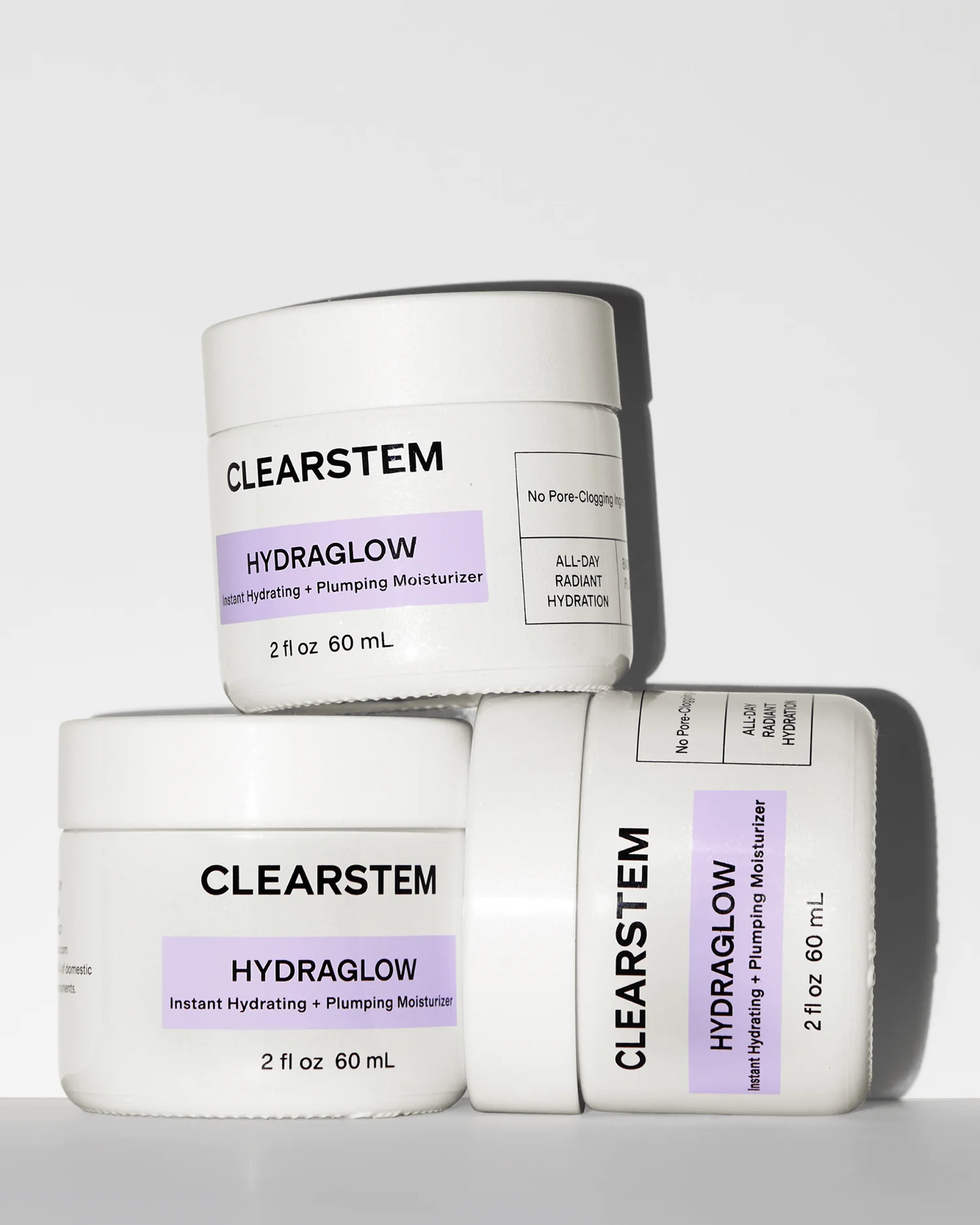
A gel-cream formula designed specifically for acne-prone skin, featuring a blend of niacinamide, peptides, and hydrating humectants to support the skin barrier while helping regulate oil and calm inflammation.
We like
We don't like
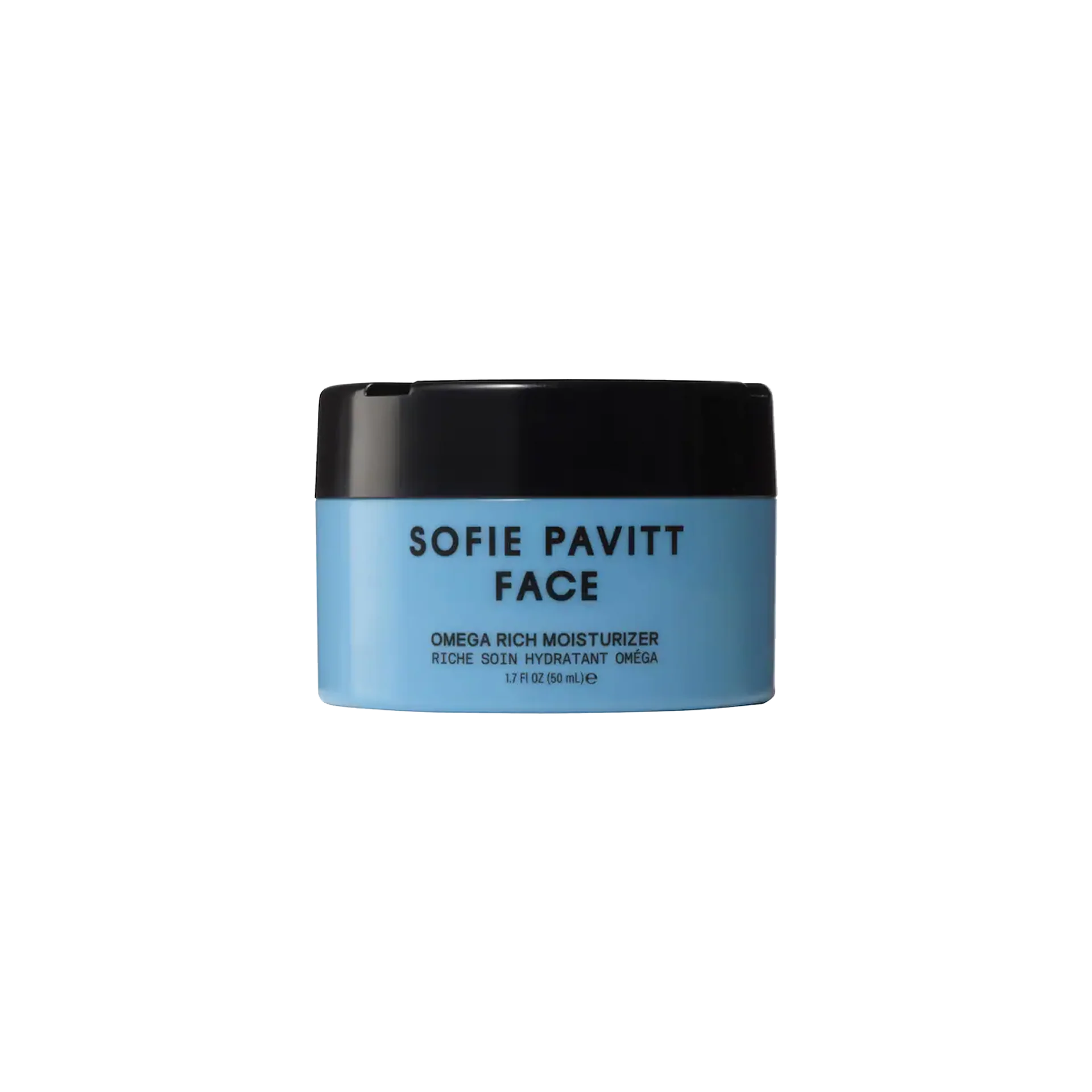
A richer, more nourishing formula built around omega fatty acids, ceramides, and botanical oils to deeply replenish the skin barrier and support long-term resilience. Despite its more emollient texture, it's designed with acne-prone skin in mind, focusing on barrier repair rather than pore-clogging heaviness.
We like
We don't like