We like
We don't like
Our team is dedicated to finding and telling you more about the web’s best products. If you purchase through our links, we may receive a commission. Our editorial team is independent and only endorses products we believe in.
The holidays are full of invitations, from intimate dinner parties and festive cocktail hours to family gatherings and friendsgiving celebrations. While plenty of attention is given to setting the perfect table or planning an impressive menu, there’s another side of holiday entertaining that deserves just as much consideration: being a great guest. After all, a memorable gathering isn’t just the host’s responsibility.
This is a subject that culinary expert, Top Chef judge, and author Gail Simmons knows well. In her new book, Guesting, Simmons explores the often-overlooked art of showing up for others. And with our holiday calendars already filling up, there’s no better time to brush up on the etiquette of being a good guest. Ahead, Simmons shares her essential rules for being a thoughtful holiday party attendee, including what to bring, when to arrive, how to handle dietary restrictions, and the one thing you should never do with a hostess gift.

#1 Choose a Hostess Gift That Feels Personal
While a bottle of wine or bouquet of flowers may be the traditional go-to, Simmons encourages guests to think beyond usual hostess gift territory. She suggests bringing something that reflects your own taste or introduces the host to something new: “I love giving gifts that feel more personal and tell the host something about myself or share something I personally love or discovered.”
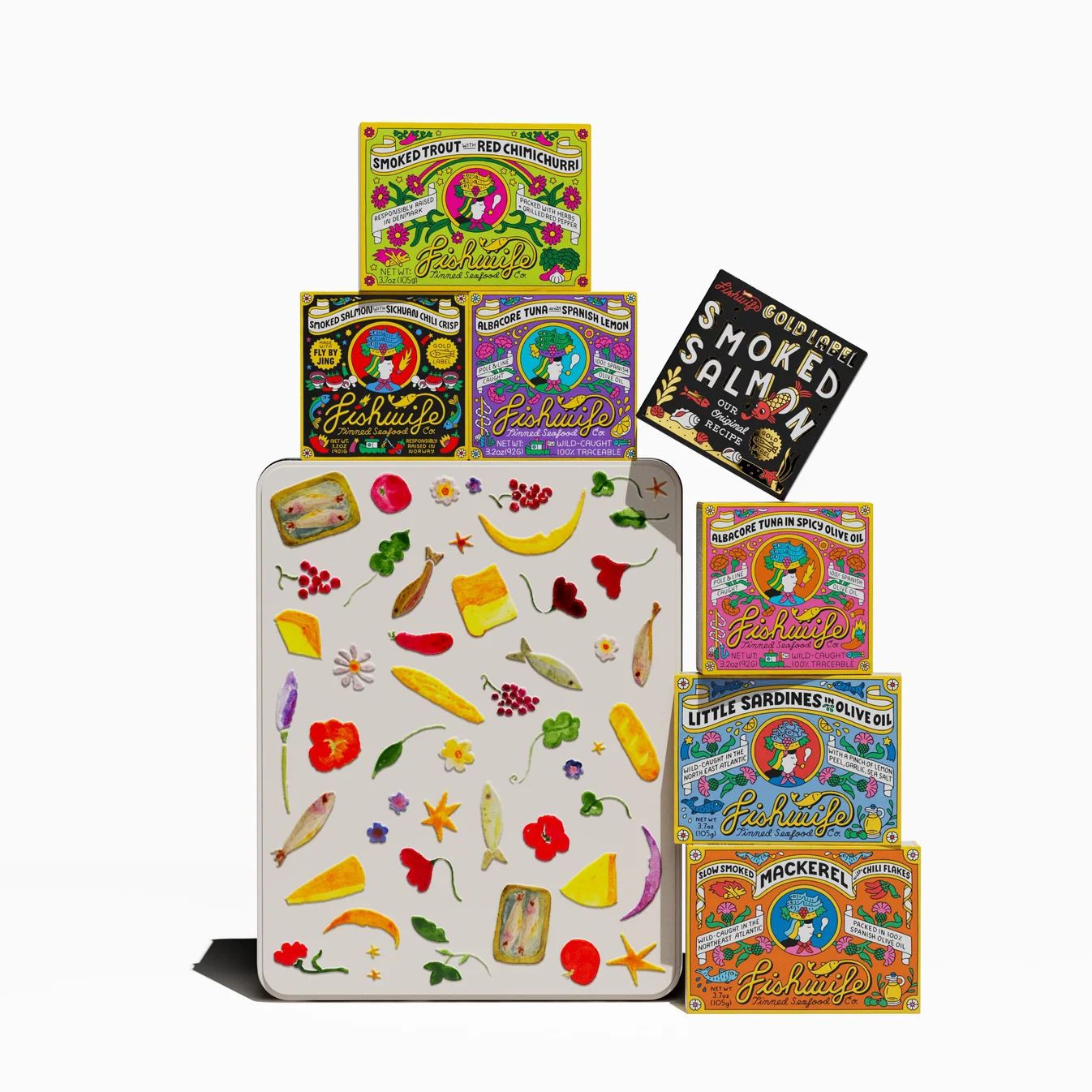
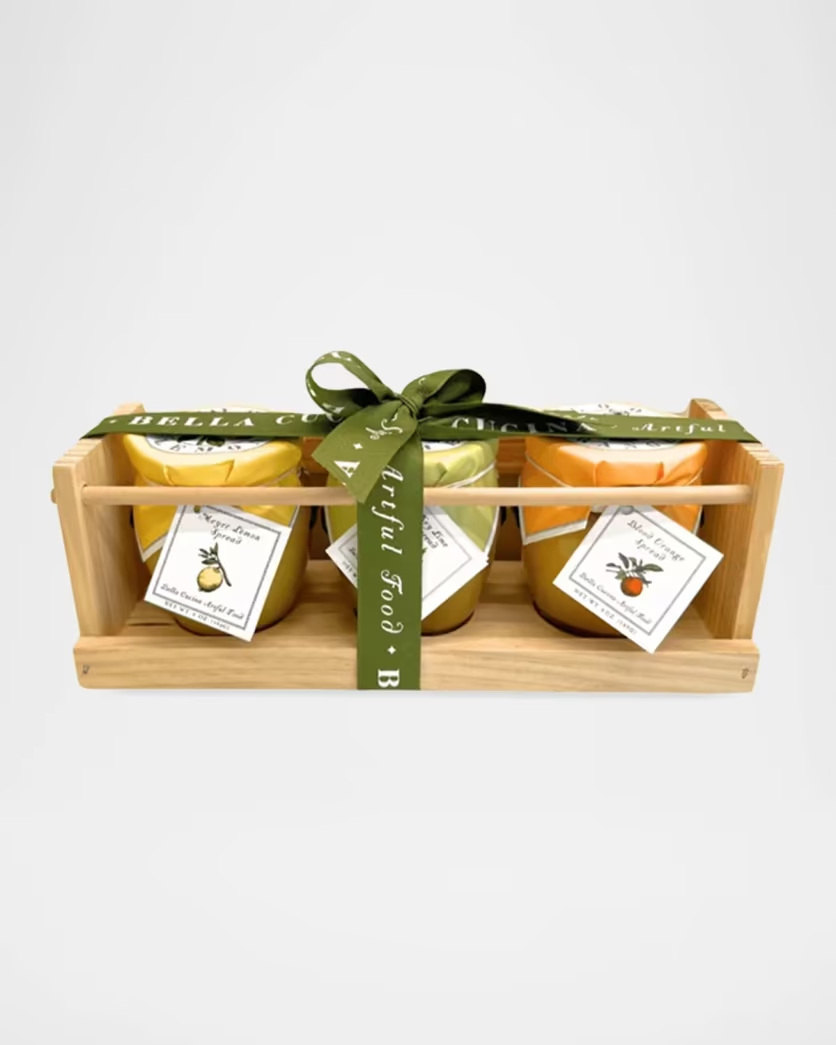
For a gift that is both thoughtful and useful, Simmons gravitates towards pantry staples like a great bottle of olive oil, a favorite condiment, fancy tinned fish, rare vinegar, maple syrup, or a decadent chocolate bar. Functional kitchen finds, like a beautiful serving spoon, cheese knife, or butter dish, are another favorite. And if the host has children, consider bringing a little something for them, too.
One thing to avoid, she tells TQE, is anything that makes more work for the host. For example, she “avoid[s] bringing flowers unless [she] can bring them WITH a vase, so the host doesn’t have to do more work to find one, cut, arrange and place them.” As guests, our job is to help make the host’s job easier.


We like
We don't like

We like
We don't like
#2 If You’re Bringing a Dish, Come Prepared
Being asked to bring something to a holiday gathering is an opportunity to contribute, but it shouldn’t create extra work for your host. Simmons recommends doing as much prep as possible ahead of time and arriving with everything needed to serve your contribution, right down to the serving bowl, utensils, or board. She advises to pick dishes that sit comfortably at room temperature and actually get better with time. If you’re bringing a dressing or sauce, pack it separately.
For an especially easy crowd-pleaser, she suggests a grazing board of some sorts. You can pick up the ingredients on the way and put everything together at the party, as long as you remember to bring everything you need to set up. For more casual gatherings, Simmons is also a huge fan of a make-your-own sundae bar: “it’s easy and fun to gather great candy, sauces, fruit and traditional or out-of-the-box toppings and let people go wild!”
#3 Read the Room (and Follow Your Host’s Lead)
The little gestures can make all the difference between being an average guest and a truly thoughtful one. For Simmons, that starts before you even walk through the door. Never arrive early — “Hosts need every moment to prep and plan,” she says. Instead, arrive on time, hang up your coat, take off your shoes if the host does, and pay attention to their cues for when to help or sit.
Offering to help is always appreciated, whether that means pouring drinks, making conversation with someone who doesn’t know many other guests, or helping clear the table. However, “if the host tells you to sit down and stop, listen. Sometimes being a great guest means allowing your host to host you on their terms.” Another rule to remember: never bring an unrequested dish to add to the menu without discussing it with your host first. Even if your intentions are good, an unexpected contribution can disrupt a carefully planned meal. Save food gifts for the host to enjoy later, rather than assuming they’ll want to serve them that evening.

#4 Never Put Strings on a Gift
One of Simmons’s biggest holiday guesting pet peeves is when someone brings a gift and tries to dictate how the host uses it. Whether you’ve brought a bottle of wine, a special pantry item, or dish to share, the decision of when and how to use belongs to the person receiving it. “If you bring something to the party - either as a gift for your host or as a dish to share with everyone - give it freely and without strings attached,” she says. Your host may choose to serve it immediately, save it for another occasion, or put it aside for later. Whatever they decide, “it belongs to them once you enter their home.”

We like
We don't like
We like
We don't like
#5 Navigate Tricky Situations With Consideration
Holiday gatherings inevitably come with a few etiquette gray areas, from dietary restrictions to plus-one requests and early departures. Simmons’s overarching advice is to communicate clearly, be considerate of your host’s time, and never assume an exception will be made.
Simmons recommends communicating dietary restrictions as soon as you RSVP and taking responsibility for your own needs if necessary, whether that means bringing something you can eat (with enough to share) or eating beforehand. Plus-ones should always be discussed well in advance, and never assumed, particularly for formal events. As for making an exit, stay through dessert at a seated dinner, but feel free to leave a more casual gathering once speeches or other planned activities have wrapped. Above all, read the room, follow your host’s cues, and always send a thank-you afterward.
#6 Make Your Host Feel Appreciated
If Simmons could offer one rule for being a great holiday guest, it would be this: “the goal of a guest is always to make your host feel valued for their efforts to host and care for you. Step up, be additive, show gratitude!”
It’s a simple sentiment, but one that gets to the heart of the philosophy. As she explains, being a great guest isn’t about following a list of rules for the sake of appearances. It’s about showing genuine care for the people who make an effort to bring people together. “It’s a reciprocal practice that gets better and easier the more you do it with intention,” she says. In other words, the best thing you can bring to any holiday gathering isn't necessarily a beautiful bottle of olive oil or an impressive dessert. It's the thoughtfulness, generosity, and gratitude that make your host glad they invited you in the first place.
Looking for advice on how to dress for a holiday gathering? Read our rules here.