We like
We don't like
Our team is dedicated to finding and telling you more about the web’s best products. If you purchase through our links, we may receive a commission. Our editorial team is independent and only endorses products we believe in.
I’ll never forget the moment my reproductive endocrinologist told me, “It doesn’t matter if you have endometriosis.” Talk about an eye-roll moment. I’m pro-doctor, pro-science… but dang, buddy.
After two years of exactly zero positive pregnancy tests, weird bloating and weight gain, and years of heavy periods, I decided it did, in fact, matter. I was determined to figure out why we couldn’t conceive. After dozens of calls to doctors across the country, I finally got a surgery date to find out if I had endometriosis. When I woke up, my doctor confirmed what I suspected: I had Stage 2 endometriosis. I was relieved. Weirdly, incredibly relieved. After years of wondering what was wrong with my body, I finally had an answer. I never thought I’d be so happy to learn I had a chronic disease with no cure!
Turns out, my story is far from unique. Endometriosis, a condition where endometrial-like tissue grows outside the uterus, affects around 1 in 10 women, and possibly even more. Yet it can take years to get a diagnosis, leaving countless women without answers for symptoms ranging from heavy periods and pain to digestive issues and infertility.
Inside the Endo Experience
My experience got me wondering: How many women are walking around with endo and have no idea? I wanted to dig into that question a little more, so I asked Lulu Ge, founder of Elix, a women’s hormonal health company rooted in Traditional Chinese Medicine, to share her own experience. Ge recently underwent excision surgery herself, so I was especially curious to hear what she had learned along the way.
TQE: What’s one thing you’d tell another woman who’s about to have excision surgery or is just starting to suspect she has endometriosis?
LG: Knowledge is power and do not assume that endometriosis will look a certain way. I thought I understood endometriosis. I associated it with excruciating periods, emergency room visits, vomiting, and pain so severe that it disrupted every part of a woman’s life. By the time I was diagnosed, Chinese medicine had helped resolve the debilitating period pain I experienced years earlier, and I had virtually none of the symptoms I thought were required to have the disease. It was only after four unsuccessful rounds of IVF, despite otherwise “normal” labs, that my doctor suggested testing for “silent endometriosis.” I remember thinking, “I know what endometriosis is. I definitely do not have it.”
When the results came back, I felt shock, disbelief, shame, disappointment, gratitude, and validation all at once. Then there was the relief of finally being told that there was a real explanation for what we had experienced. You can feel validated and devastated by the same diagnosis.
TQE: How is Elix supporting women with endometriosis and other hormonal health concerns? Are there any products or initiatives you’re especially excited about?
LG: I built Elix because women deserve support in the enormous space between a ten-minute doctor’s appointment and an operating room.
Chinese medicine does not begin with the assumption that every woman with the same diagnosis needs the same solution. We look at her individual pattern: her pain, bleeding, digestion, sleep, stress, energy, temperature, mood, and how those symptoms change throughout her cycle.
Through Elix, women complete a comprehensive health assessment and receive a personalized Cycle Balance herbal formula based on that pattern. They can also meet one-on-one with our Doctors of Chinese Medicine for more individualized support.
TQE: What’s a common misconception about endo that you want to help change?
LG: The myth I most want to bust is that excision surgery is automatically the end of the endometriosis journey. Surgery can be an incredibly important and, for some women, life-changing intervention. But endometriosis is a chronic condition, not something for which surgery offers a guaranteed cure. Symptoms or lesions can persist or recur, and long-term care may include medical treatment, pelvic-floor therapy, pain support, mental-health care, fertility care, and ongoing symptom management depending on the individual.
What I do know is that endometriosis does not have to be loud to be life-altering.
Our List of the Best Recovery Essentials
Of course, knowing you have endometriosis is one thing. Recovering from the surgery is a whole other thing. If you’re heading into an excision surgery yourself, there are a few things that can make those first days and weeks a little more comfortable. Lulu had similar advice, but she also made a great point I wish I'd heard before surgery: sometimes the biggest recovery must-have is simply the permission to rest.
Here are the recovery essentials I used a ton or wish I’d known about before my surgery:
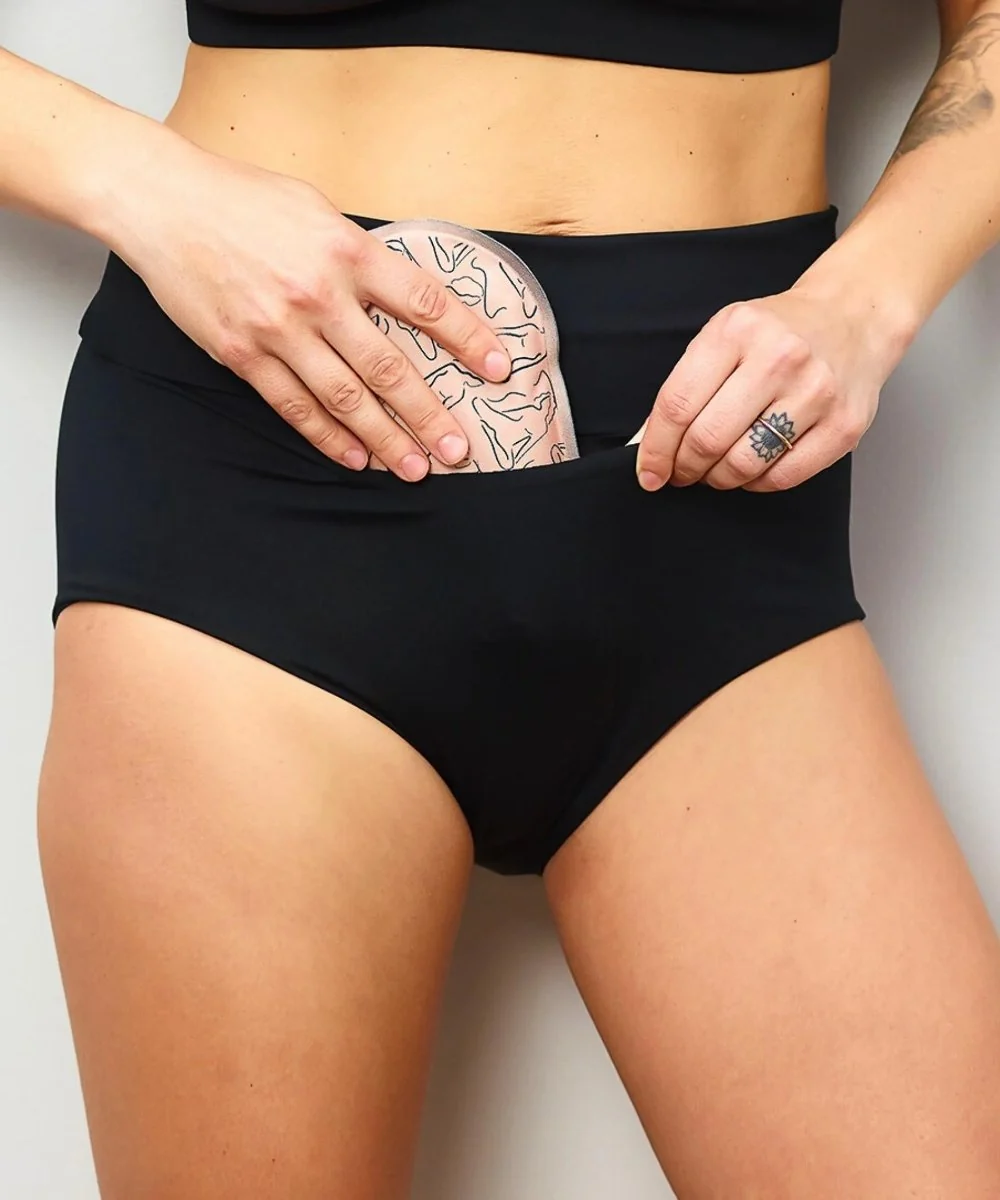

I got Nyssa’s Postpartum Recovery Underwear years ago when we started trying to conceive (lol), so I already had it on hand when I had surgery. It ended up being one of the most useful things I had for recovery. I used it to help manage bleeding and provide temperature support, since it has a pocket that holds a pad that can be heated or cooled. It also became my go-to underwear because it was loose enough that it didn’t press against my incisions.
We like
We don't like

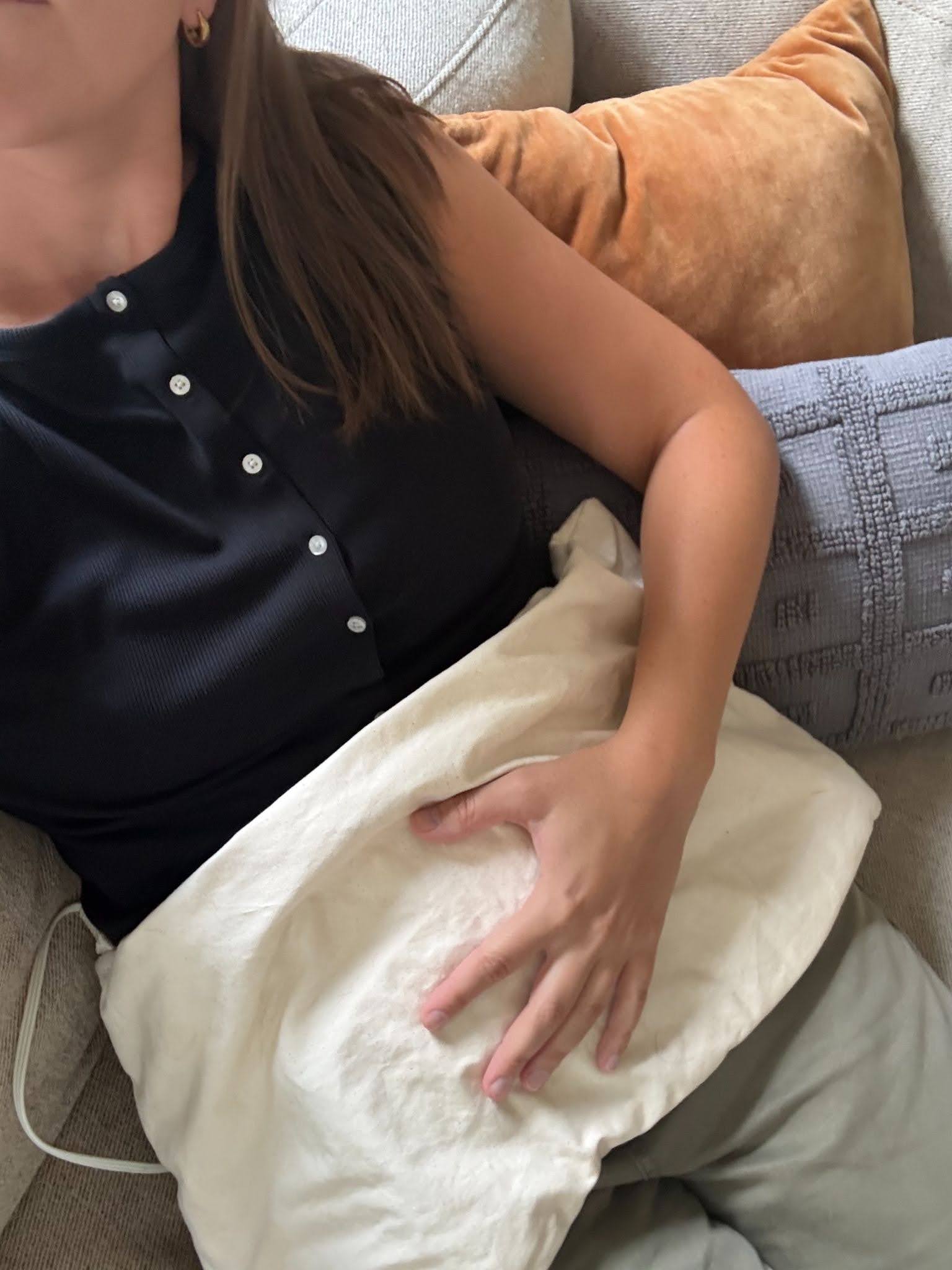
A heating pad is a MUST-HAVE before this surgery. I recently got this one from Bwarm, which was nice because it is made of organic cotton and has super-flexible heat settings. I don’t love that the cover is not able to be removed, so just be warned when eating or drinking on it. Not that I’d know from experience of course….
We like
We don't like
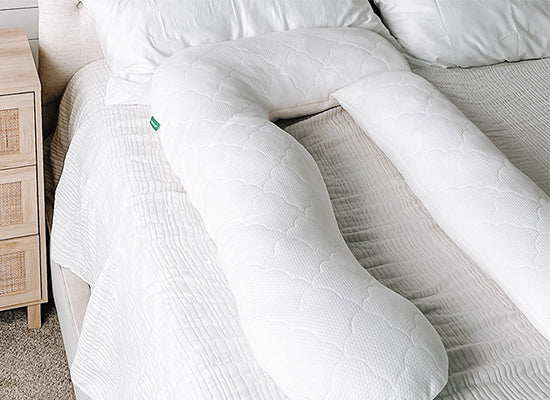
Ah, the irony of these being pregnancy products. I did super long for a pregnancy pillow to sleep with after the surgery. Certain angles didn’t feel great to sleep on and I had to have support for a few days sitting up and getting out of bed. I do think this would’ve gone a long way to support. I will certainly use this during my next excision surgery later this year.
We like
We don't like

One thing no one warned me about after surgery was the BLOATING. Part of the procedure involves inflating your abdomen with gas so your surgeon can navigate inside, and the result can be a lot of bloating. I truly felt like I had just given birth. It was that much bloating.
Bumpsuit’s Belly Band has been a great friend weeks after surgery, definitely not right away. It helps hold everything in place as I heal and makes me feel a little more supported when I’m especially bloated.
We like
We don't like

Excision surgery is a fabulous excuse to beef up your cozy/loungewear collection. I leaned into Municipal this time, grabbing a few of their tried-and-true drops. My favorite pick up was probably their Daily Pants. It has a drawstring waistband that is gentle on your incisions and just provides a slightly more pulled-together look than some other sweats. Their Lightweight Bra ($64) was also a good pick up so nothing was on my stomach. The strap detail helped me feel a little more feminine in the midst of recovery, too.
We like
We don't like
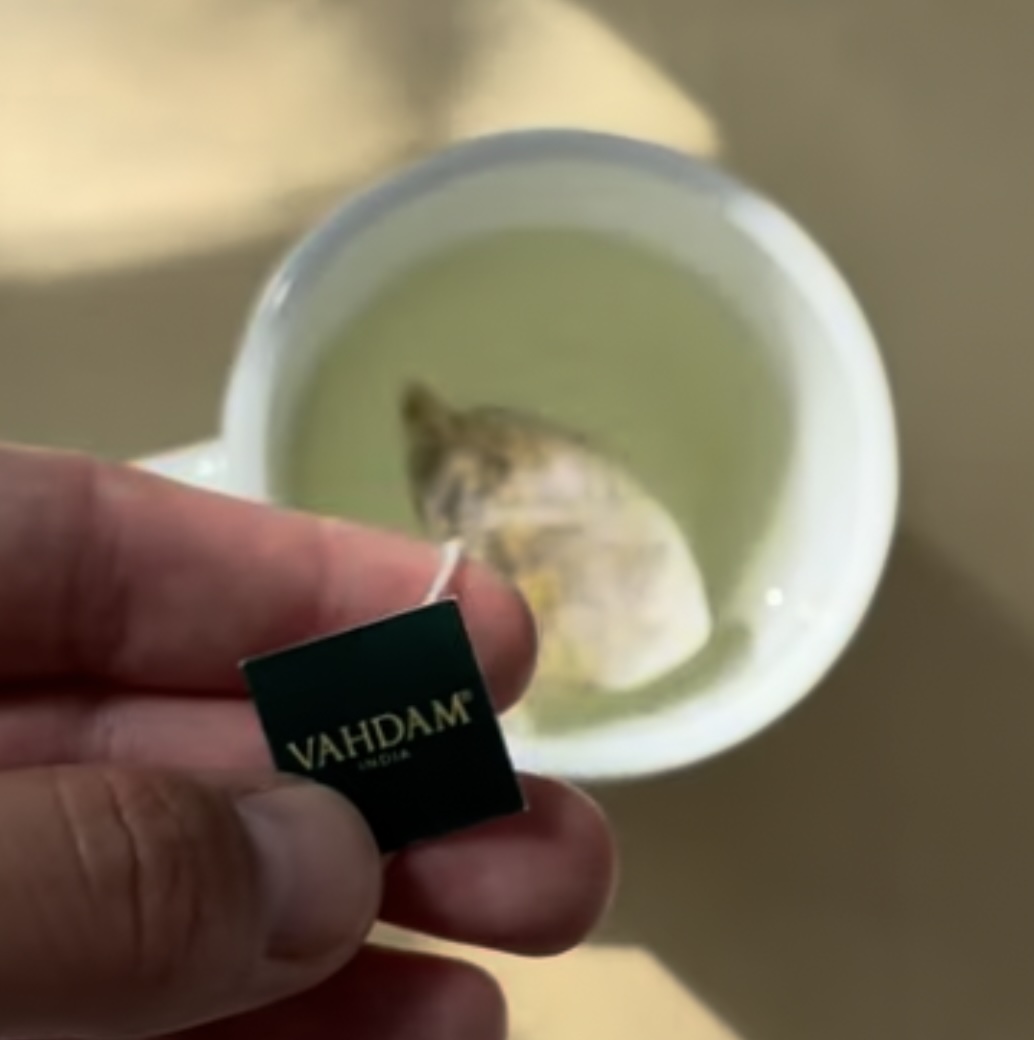
Tea is a must-have after this surgery! Chamomile is a great pick because it can be soothing for the gut and is naturally relaxing, which is so important after surgery, as Lulu said. Vahdam’s Indian-inspired teas are a solid pick, too, and feel slightly more elevated than what you’ll find at most grocery stores.
We like
We don't like
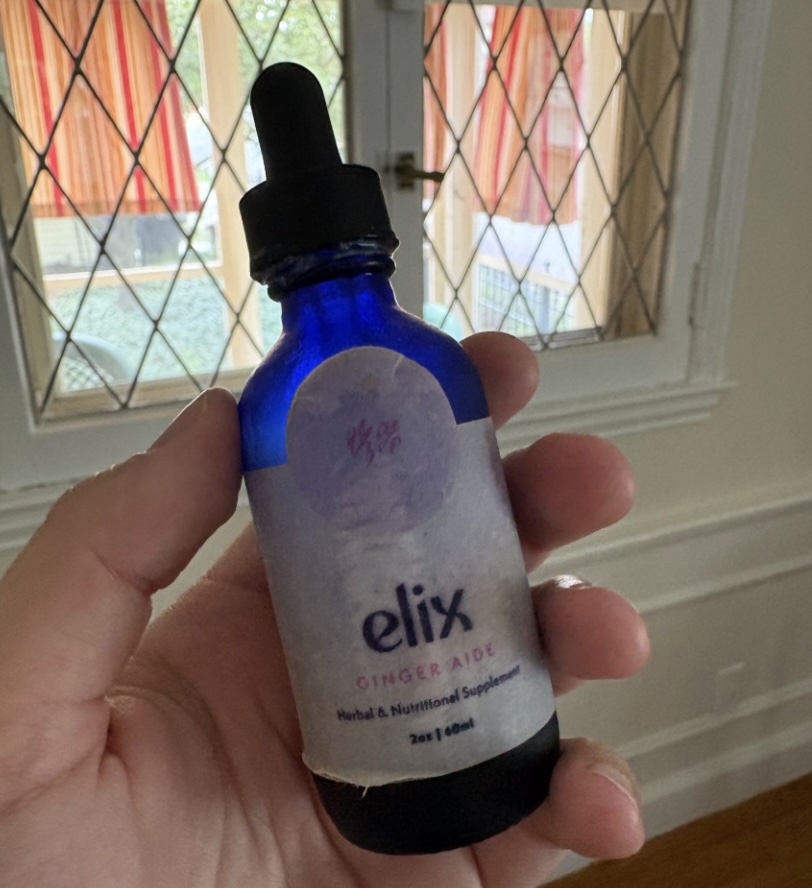
I’m handing this one over to the expert! Lulu shared with us that “Physically, the gas pain from laparoscopic surgery was more uncomfortable than the incisions themselves. Taking Elix Ginger Aide as an anti-inflammatory in soothing hot water with lemon every morning was a game changing to soothe the digestive upset during recovery and beyond.” As a user of Ginger Aide myself, I’d highly recommend it to all the endo girlies.
We like
We don't like
What I Wish I’d Known
If there’s one thing I’ve learned from my own endo journey, it’s that getting an answer can be a huge relief, even when the answer isn’t exactly what you hoped for. But as Lulu reminded me, surgery isn’t necessarily the end of the story. It can really be the beginning of figuring out what your unique and strong body needs next.
Whether you’re newly diagnosed, considering laparoscopic surgery, or just wondering if endometriosis could explain some of the things your body has been doing, don’t ignore what your body is telling you. Ask questions, advocate for yourself, get a second opinion, and keep pushing for answers.