In partnership with Catch. Editor’s Note: We only select and work with partners that meet our quality standards, so you can rest assured we only endorse products we believe in.
“Cancer” is a word no one ever wants to hear, yet nearly 5,600 Americans are diagnosed every day. Most of us have a personal connection. My aunt was diagnosed with breast cancer when her daughters were in high school. Thankfully, she’s been cancer-free for decades, but the emotional impact lingers.
Now that I’m a mom, I’m more aware than ever of how my lifestyle and genetics may influence my long-term health. So when I discovered Catch, a digital cancer prevention platform that analyzes your lifetime risk across 21 of the most common cancers, I was curious. The company promises personalized insights along with an action plan to reduce your risk.
I took Catch’s 20-minute assessment and reviewed my results. Here’s how it went.
We like
- Includes actionable steps to reduce cancer risk
- Scientific studies back up every claim
- The results are highly detailed and comprehensive
- Clinical-grade blood biomarkers add trust and transparency
We don't like
- The results can feel overwhelming
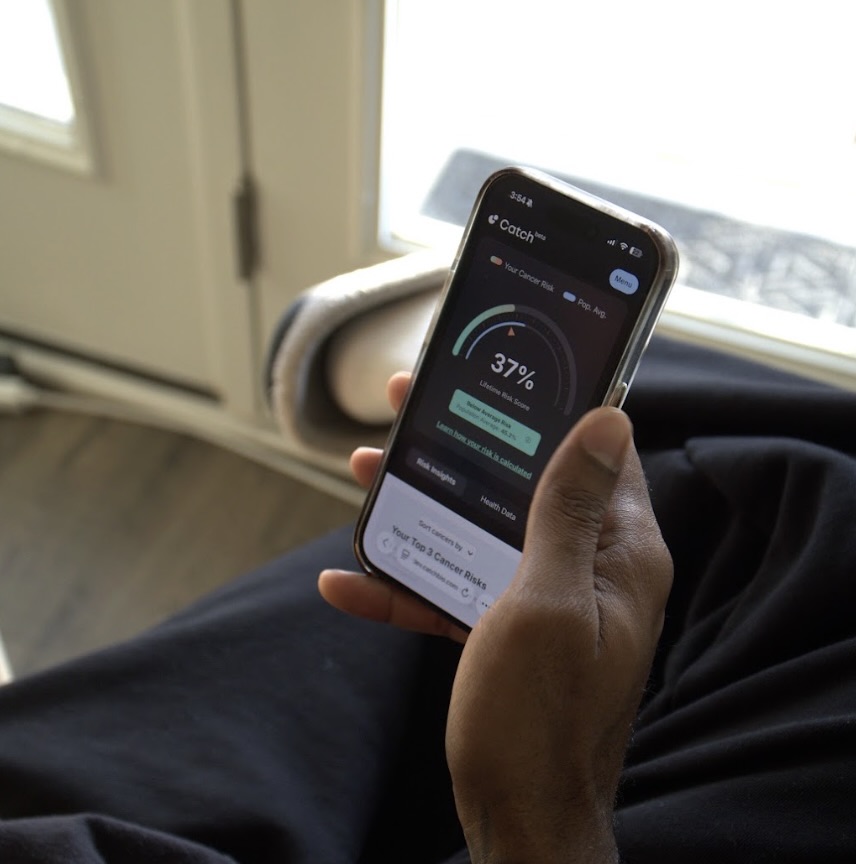
What Is Catch?
While the U.S. invests billions in cancer treatment, Catch focuses on prevention. The platform draws from more than 10,000 scientific studies tracking lifestyle and environmental cancer risk factors, aiming to help people reduce disease before it develops.
Catch’s philosophy is that cancer risk isn’t set in stone. According to the platform, up to 90% of the factors influencing personal cancer risk are lifestyle- and environment-based – and many are modifiable.
Most of us make dozens of daily choices that increase or decrease our cancer risk without realizing it. Catch highlights those choices and helps you act on them.
The Catch Assessment: A 20-Minute Deep Dive Into Your Habits
To calculate your cancer risk, Catch starts with a multi-stage assessment. Mine took about 20 minutes and covered everything from nutrition to sleep to environmental exposure. Some questions were expected (daily fruit and vegetable intake), while others surprised me (blood type, coffee temperature).
There were a few glitchy moments (fortunately, the questionnaire saves as you go, so I never had to re-do any questions despite refreshing the page several times). And while it’s not always fun to examine habits you wish were better, the process was straightforward and manageable.
The Results: Where My Cancer Risk Stands
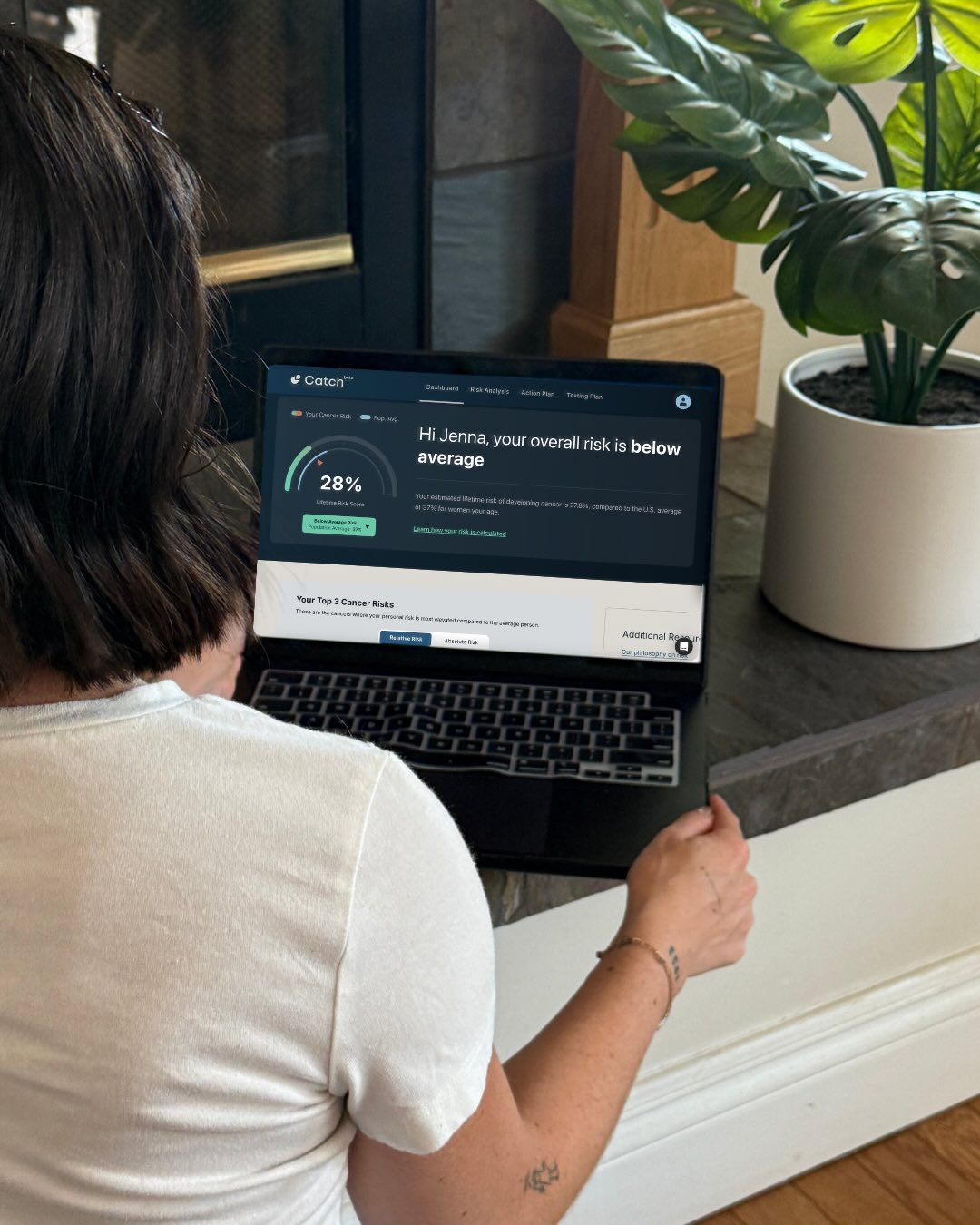
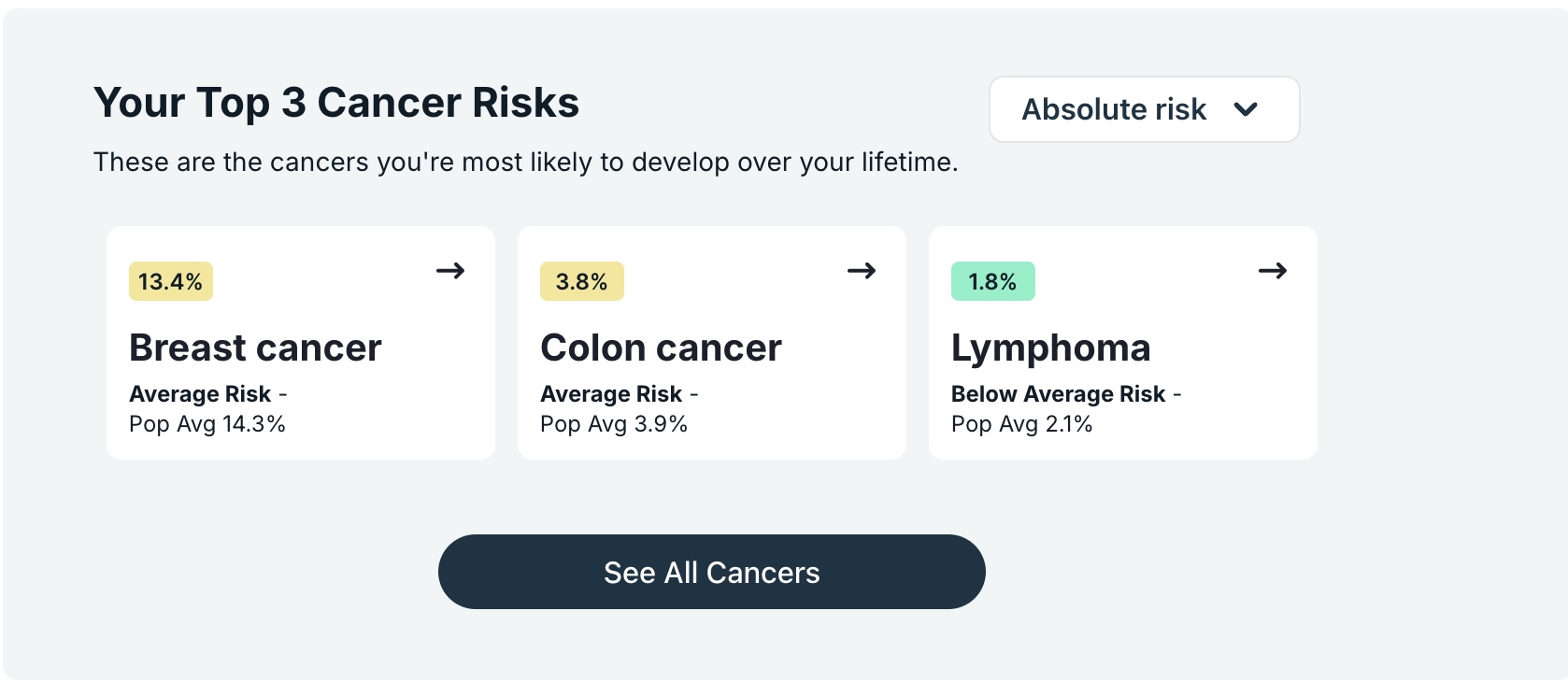
After the questionnaire, Catch shows your top three cancer risks and the contributing risk factors. Breast cancer is the only family history I know of, and according to Catch, my absolute risk is highest for breast cancer, colon cancer, and lymphoma.
What I learned digging into the data surprised me. It turns out that my 13.4% risk of breast cancer is unrelated to my family history. My height (I’m 5’9”) and blood type (A) are the leading factors. While I can’t do much to change these traits, Catch did reassure me that the habits I’m already doing, like exercising, are helping lower my breast cancer risk.
Catch offers the same level of insight for each of the 20 other cancers screened for. I appreciated the clear, scientifically backed rationale for each claim about my cancer risk.
The Action Plan: Where Catch Really Stands Out
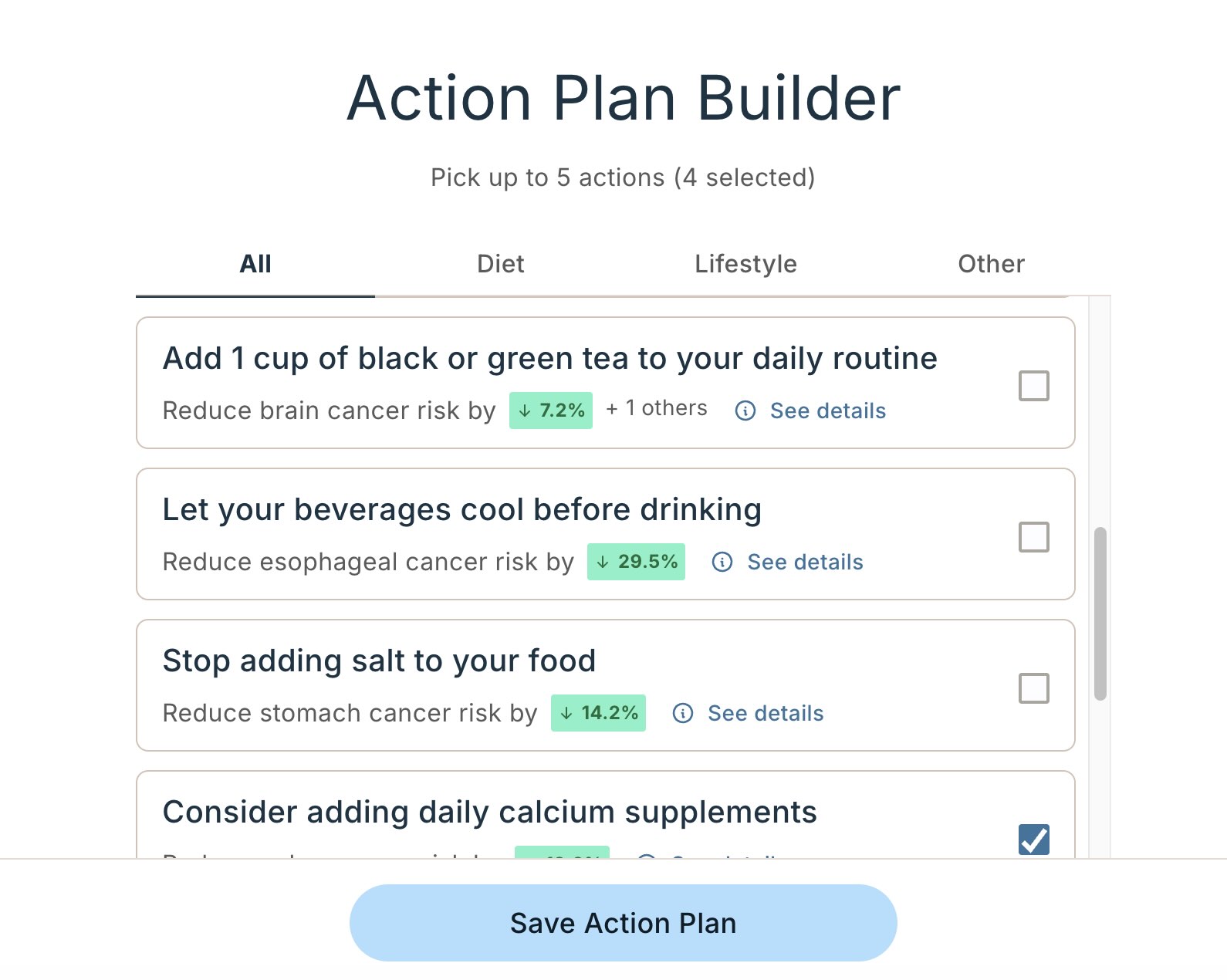
I found the action plan to be the most helpful part of the Catch platform. Once you know your risk levels and the contributing factors, you’re served a list of concrete, actionable steps that can directly reduce your cancer risk. I especially like that each action step is backed up by a clear explanation and supporting scientific studies.
Though I always order my coffee extra-hot, I learned that hot drinks can damage the esophagus and increase cancer risk over time. It will be tough, but my new action item is to let my morning joe cool below 165 degrees Fahrenheit. I’ll also be adding a calcium supplement, which will decrease my colon cancer risk by nearly 13%, according to Catch.
Catch encourages users to select five action items at a time, practice them for 60 days, then mark them as “completed” on the plan. Some of the action items are more of a lift than others, so this is a nice, moderate way to incorporate healthier habits and make progress. Who doesn’t like to check a box, especially when it’s a step towards decreasing your cancer risk?
Biomarkers: The Missing Link Between Lifestyle and Real Medical Data
While the lifestyle assessment and action plan are impressive, Catch’s newest addition, clinical-grade blood biomarkers, is what truly elevates the platform from informative to medically credible.
With Biomarkers, Catch closes the loop between what you do, what the science predicts, and what’s actually happening inside your body. Members can order a comprehensive annual blood panel through national lab partners like Quest, Labcorp, or BioReference, with results seamlessly integrated into the Catch platform.
The panel includes 50–100 clinical markers spanning metabolic, immune, and inflammatory health. Results are clearly categorized as optimal, normal, out of range, or critical, making them surprisingly easy to understand even if you aren’t well-versed in the medical world.
What I appreciate most is the tangible proof this adds to Catch’s prevention model. Lifestyle recommendations can sometimes feel abstract or theoretical; biomarkers make progress visible. You’re not just told that certain habits reduce risk – you can actually see how changes show up in your bloodwork over time.
In short, biomarkers make Catch stand out and turn a risk-assessment tool into a measurable health tracking system – one grounded in both prevention science and real medical data.
Parting Thoughts: Is Catch Worth It?
If you’re worried about your cancer risk – or simply curious about how your daily choices affect your long-term health – Catch offers clarity, insight, and a sense of empowerment. Learning about your risk for serious illness is never easy, but the platform breaks it down in a way that feels actionable rather than alarming.
What truly sets Catch apart is its ability to pair personalized lifestyle insights with clinical-grade lab testing, creating a rare combination of education, action, and measurable proof. The scientific explanations, tailored recommendations, and biomarkers work together to make prevention feel concrete.
I left the platform feeling more informed, more in control of my health, and reassured that the changes I’m making can be tracked in meaningful ways over time.
If you’re looking for a prevention-first approach to health — one that blends data, science, and real-world action — Catch is worth exploring.