Our team is dedicated to finding and telling you more about the web’s best products. If you purchase through our links, we may receive a commission. Our editorial team is independent and only endorses products we believe in.
We like
We don't like
Winter can be brutal. Treacherous icy roads, relentless freezing rain, and fierce, punishing winds can tempt anyone to stay indoors and skip a workout. However, the age-old Norse saying reminds us that "there's no such thing as bad weather, only bad clothing." Whether you are training for a spring marathon or committed to maintaining a consistent fitness routine, dedication to the sport means no days off, despite what Mother Nature has planned.
While it's crucial to prioritize safety and adjust your workout intensity and duration according to the weather conditions, there are numerous strategies when it comes to running comfortably through the winter. Besides properly warming up before heading out to avoid injury, layering with moisture-wicking base layers, insulating mid-layers, and weather-resistant outer layers is essential to regulating the body temperature and staying dry. Also, accessories matter. Gloves and a hat are critical when it is windy. The rest of the fit depends on the weather and how cold it is that day.
Consistent training throughout the winter months can provide a strong base for races when warmer weather arrives. Below are 16 winter running essentials, tried and tested during northeast winters, to help you stay on track when the season is trying to give you every excuse to take the day off.
Winter Running Essentials at a Glance (Bookmark This)
- Best Base Layer: Lululemon Swiftly Tech Long Sleeve
- Warmest Leggings: Tracksmith NDO Tights
- Best Weatherproof Jacket: Nike Storm-FIT Swift Jacket
- Best Cold-Weather Shoes: Nike Pegasus Trail 5 GORE-TEX
- Best Accessories Upgrade: On Core Gloves + Rechargeable Hand Warmers
Base Layers (Your Non-Negotiable First Step)
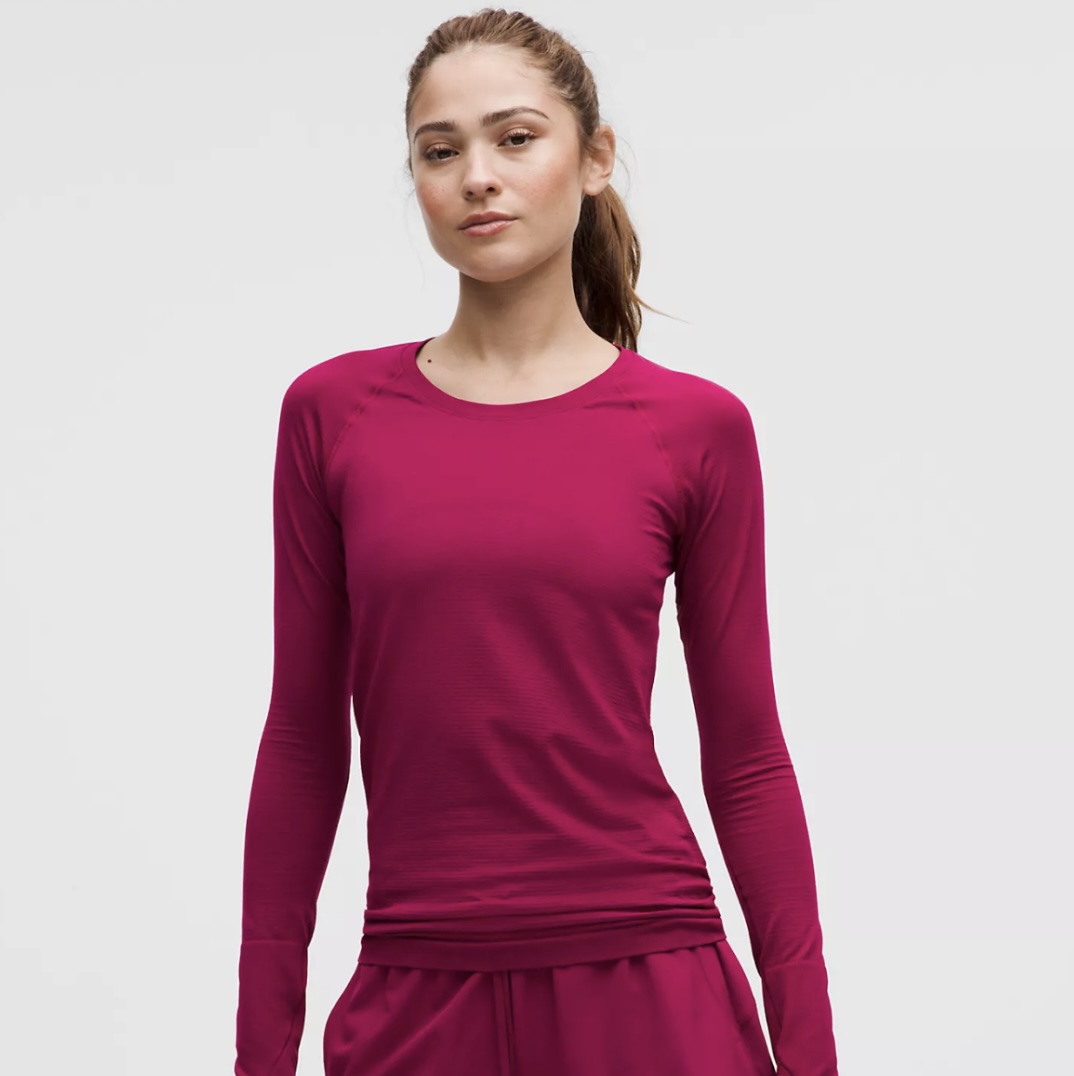

One of the main items you need in order to keep you warm is a proper base layer. Look for materials like merino wool, polyester, nylon, and Lycra. These are all quick-drying, unlike cotton which will just stay wet once you start sweating, thus making you cold. This long sleeve from Lululemon checks all the boxes: fitted, thumb holes, and made of nylon and recycled polyester. It also comes in a bunch of colors.
We like
We don't like

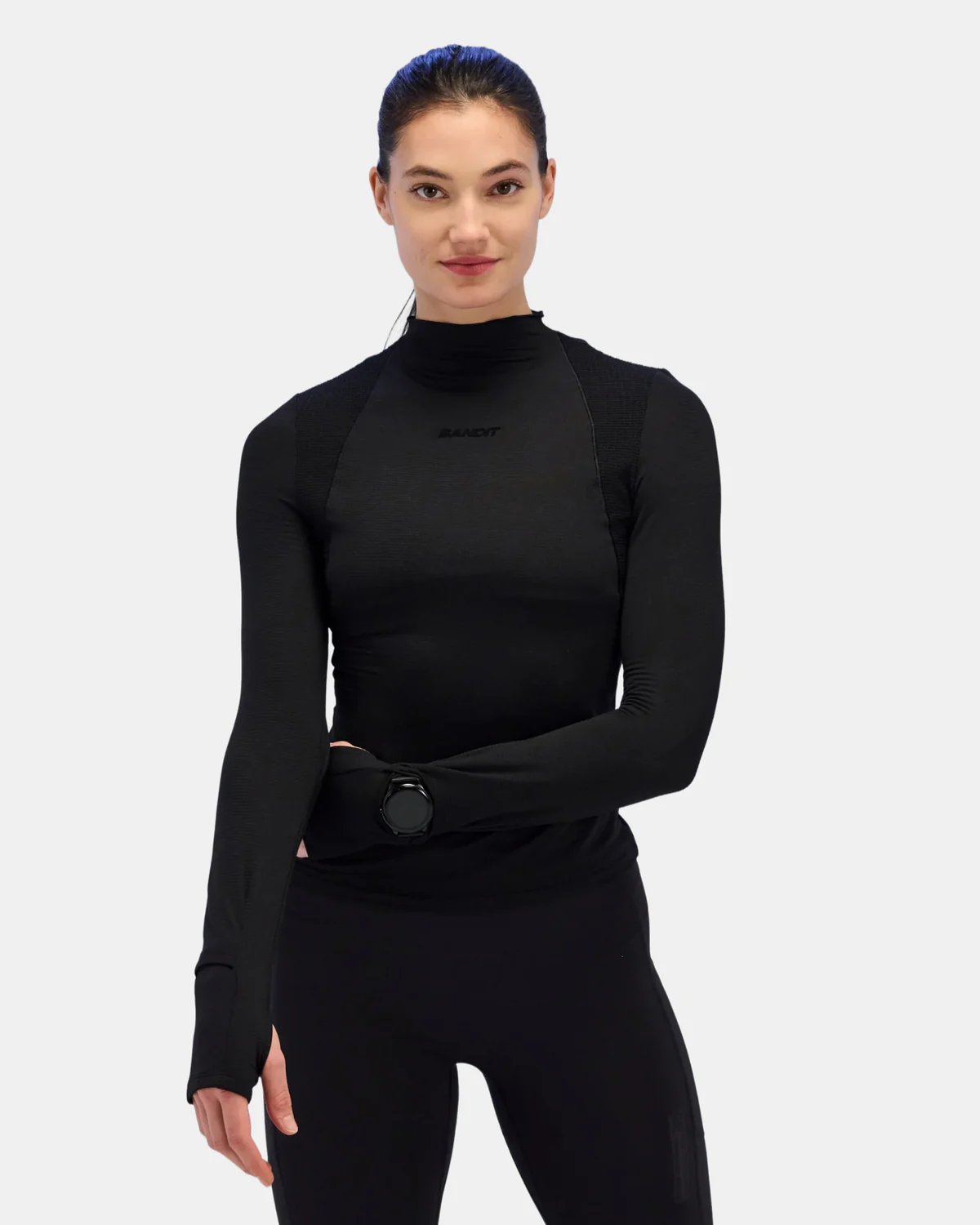
There are a variety of performance fabric long sleeves on the market and for the most part, they are going to achieve their intended purpose of keeping you warm and dry. This top, however, from Bandit is a grailed item for winter running due to the built in hood that fits snuggly like a balaclava. If you live somewhere where the wind makes your ears feel like they might fall off, it would be worth signing up to be notified when they restock a majority of sizes.
There are a variety of performance fabric long sleeves on the market and for the most part, they are going to achieve their intended purpose of keeping you warm and dry. This top, however, from Bandit is a grailed item for winter running due to the mock neck that adds a little extra neck warmth.
Best for: Early mornings, windy routes, and anyone who’s constantly tugging at their collar mid-run.
We like
We don't like
Second Layer (For That Sweet Spot: 35° - 45°)

Once you have your base layer, something like this half zip will be enough for those days that are in the 40ºs. This fits snugly, keeping you warm, and is made of the softest performance fabric. The tighter fit is also helpful if you need to keep layering.
We like
We don't like
Outer Layers (When Winter Is Being Rude)

Keeping your core warm makes all the difference when the temperature is dropping below 40º. This vest from women-owned running brand, Oiselle, is thoughtfully constructed for winter running. It has a hood that can roll up into the collar and five pockets for all your belongings and fuel. The back of the vest is also designed with a reflective bird pattern, so you are seen on those dark mornings and evenings.
We like
We don't like

If the temperature is reading something below 30º, a long sleeve is not going to cut it. If it is a dry day, this lightweight puffer made with PrimaLoft insulation provides warmth without the bulk. It has a hood and funnel neck so no heat is escaping around your neck and the whole jacket packs into its front pocket, making it great for travel. It comes in ten colors and could easily be incorporated into the rest of your winter wardrobe during the season.
We like
We don't like

Every runner needs a jacket that is resistant to the elements. This one from Nike is designed to keep you dry thanks to its lightweight, proprietary Storm-FIT tech material, large hood, and flaps that cover the zippers so water does not get in.The bungee cord hem prevents it from feeling bulky, and the loose fit makes the jacket ideal for layering. This is outerwear that will carry you from the beginning to the end of the season each year.
We like
We don't like
Below The Waist (Legs Matter Too)

For most mild winter days, standard running leggings are sufficient. If you live in a place that does not get cold enough to justify buying a super warm pair, layering a standard pair of sweatpants over your leggings is a great tip.
We like
We don't like

Not to state the obvious, but you probably should pack your shorts away until at least daylight saving time. Most days, any full-length leggings will do the job and many brands carry fleece-lined pairs, but if you know you are often going to be running on frigid days, this pair from independent New England brand, Tracksmith, is worth the splurge. They are made of a water-repelling, double-layered fabric for warmth and a wind-blocking overlay for protection. They almost feel like a wetsuit when you are putting them on.
We like
We don't like

Before setting out, consider the ground. Running on black ice only has to end badly once to learn a lesson. Best to stay inside if the roads are covered with that. If it is just wet, there are options. The Nike Pegasus was the top running shoe in 2024 according to Strava’s Year In Sport trend report. These are a winterized version of the popular shoe with a waterproof GORE-TEX upper to keep your feet dry from the rain and slush, an all-terrain outsole, and reflective details throughout to help you stay seen at dawn and dusk.
We like
We don't like

It is always important to wear good socks when going on a long run, but it is even more critical during the winter. Socks made of moisture-wicking material keep your feet dryer, and thus warmer, and also protects them from getting blisters when it is slushy out and your feet are likely to get wet.
We like
We don't like
Accessories (Small Things, Massive Impact)

Gloves feel like umbrellas in that you can buy them for cheap at most end displays once the weather turns. But like umbrellas, buying a nicer version does make a difference. These convertible gloves-to-mittens from On have a brushed lining for extra warmth and touchscreen-friendly thumbs and index fingers. This doesn’t feel like an important detail for running until you are trying to use your nose to pause your Strava.
We like
We don't like

You do not want numb hands to be the reason you cannot finish your miles. If your hands are particularly vulnerable to getting cold and you frequently brave the coldest parts of the day, such as early mornings, these rechargeable hand warmers will make all the difference.
We like
We don't like

There is a popular medical myth that almost half of the body’s heat is lost through the head. The figure is probably closer to 10% unless it is the only uncovered part of the body. When you are getting all bundled up, do not forget about a hat. Looking for one that is moisture-wicking, and ideally covering the ears will keep you the warmest. This one from Athleta has a hole for a ponytail and is water repellent.
We like
We don't like

A running hat is also useful to have in the closet during the winter. Besides wearing SPF, you still need to be protecting your skin from the sun, even if it is cold out. Beanies are your warmest option because they cover your ears, but a fleece hat with a bill offers that sun protection. Additionally on really wet days, this type of hat is a better choice; it keeps the rain off your face and is made of a lightweight, quick drying fabric so you do not just have something wet sitting on your head for miles.
We like
We don't like

Winter is known for being dark, but if you are running during the day in a snowy location, that snow can act like a mirror, bouncing back the sunlight. Sunglasses are helpful to protect your eyes from UV rays and also save you the energy you would waste squinting. This pair is also helpful on the days the rain feels like it is coming down sideways, because while these reduce light reflection, they also repel water so you have a clear vision of the road ahead.
We like
We don't like

Some days you have to just cut your losses and hit a treadmill. Barry’s Bootcamp classes will get your heartrate up and integrate speed work and strength training. Besides, cross-training can only make you faster and stronger, helping you avoid getting injured.
We like
We don't like
Winter Running FAQs
What should I wear for winter running?
Think layers, not bulk. Start with a moisture-wicking base layer, add an insulating mid-layer if needed, and finish with a weather-resistant outer layer. Avoid cotton (it stays wet) and prioritize fabrics like merino wool, polyester, and nylon to regulate body temperature.
How cold is too cold to run outside?
There’s no universal cutoff, but many runners use 20°F (with wind chill) as a personal lower limit. Below that, exposed skin is at higher risk for frostbite, and indoor training may be safer.
Do I need special running shoes for winter?
If you’re running in wet, slushy, or snowy conditions, yes. Waterproof running shoes help keep feet dry and warm, while grippier outsoles reduce slipping on slick pavement.
Are gloves and hats really necessary?
Absolutely. Hands, ears, and fingers are often the first places to feel the cold. Insulated gloves and a moisture-wicking beanie can make a huge difference in comfort and can be the reason you finish your run instead of cutting it short.
The Bottom Line
Winter running doesn’t have to be miserable, however, it does require strategy. The right layers, weatherproof shoes, and a few smart accessories can turn “absolutely not” conditions into “okay, that wasn’t terrible.”
And sometimes? That’s all we can ask for.
If staying consistent through winter is your goal, start with the gear that removes friction and let momentum do the rest.
Why You Should Trust Us
At The Quality Edit, we don’t just round up what’s trending. Kelsey Borovinsky is a real runner who logged miles in real winter conditions, from freezing rain to icy sidewalks and pitch-dark mornings. We only recommend products we’d genuinely wear ourselves. If it’s on this list, it’s because it made winter running feel more doable, safer, or (dare we say) even enjoyable.