We like
We don't like
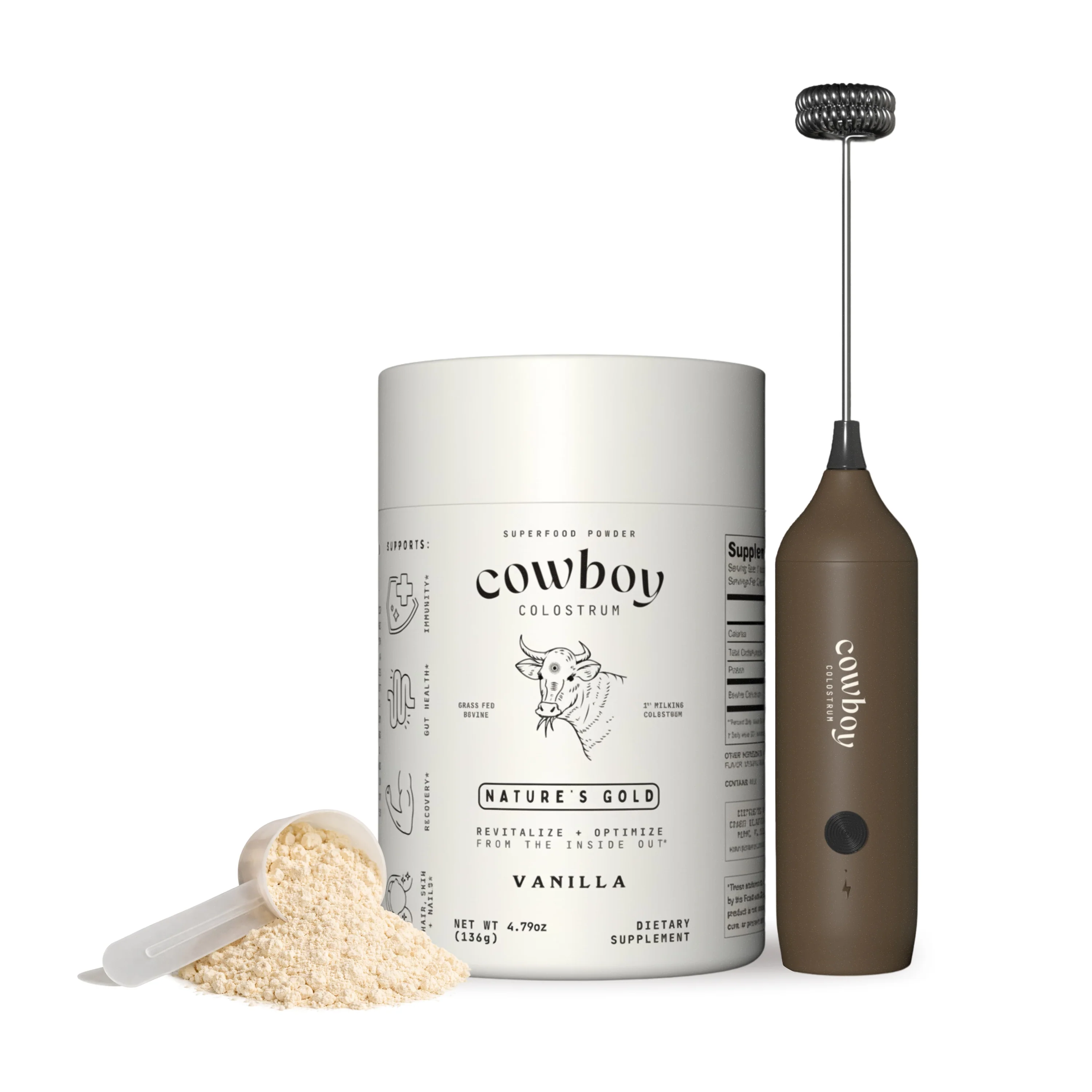
In partnership with Cowboy Colostrum. Editor’s Note: We only select and work with partners that meet our quality standards, so you can rest assured we only endorse products we believe in.
Colostrum is having a moment. And if you've spent any time on wellness TikTok or in the supplement aisle lately, you've probably heard about two of the most buzzed-about colostrum brands right now: ARMRA and Cowboy Colostrum.
While each brand is tapping into the colostrum moment (more on what colostrum even is shortly), they’re not the same product – and their differences matter more than most people realize.
As a Registered Dietitian, my job isn't to tell you what's trendy. It's to tell you what's worth your money. I’ve done the research so you can cut to the chase – let’s get into it.
First and Foremost: What Even Is Colostrum?
Colostrum is the first milk produced by cows in the hours after giving birth. It's nutrient-dense and packed with antibodies, growth factors, and bioactive proteins you won't find in regular milk. Lactoferrin, one of its key components, has been added to infant formulas for years. Now it's gaining serious traction as an adult supplement.
Commonly cited benefits include gut lining support, immune function, and recovery. Published research does suggest promising effects on intestinal permeability, upper respiratory tract infections, and inflammation, though most studies are still early and larger human trials are needed.
Should Everyone Take It?
Like any supplement, it's not one size fits all. While it's generally considered safe for most healthy adults, some people may have more reason to explore it than others. Those who might consider adding it to their routine include people dealing with recurring digestive issues, anyone looking to support immune function during periods of high stress or frequent illness, and active individuals focused on recovery. As always, it works best alongside a solid diet, not instead of one.
How I Evaluate a Supplement
My criteria when considering any supplement – colostrum included – looks like this:
- Sourcing and Quality: Is it grass-fed? Calf-first? When was it collected? Is it whole or processed? Third-party tested? For colostrum specifically, sourcing and timing are everything. You want to know exactly where it came from and when it was collected.
- Formula Integrity: Is anything stripped out in processing? What's been added?
- Performance Signals: What does the research actually say? Are there studies specific to this product, or does the brand rely on general ingredient research? And how was that research conducted?
- Value: How much of the active ingredient are you actually getting per serving, and what does that cost you monthly? A lower sticker price means nothing if you need three scoops to get a meaningful dose.
- Flavors and Mixability: Will you actually take it every day? Consistency is the whole game with supplements. If it doesn't fit into your routine, even the best formula won't do much for you.
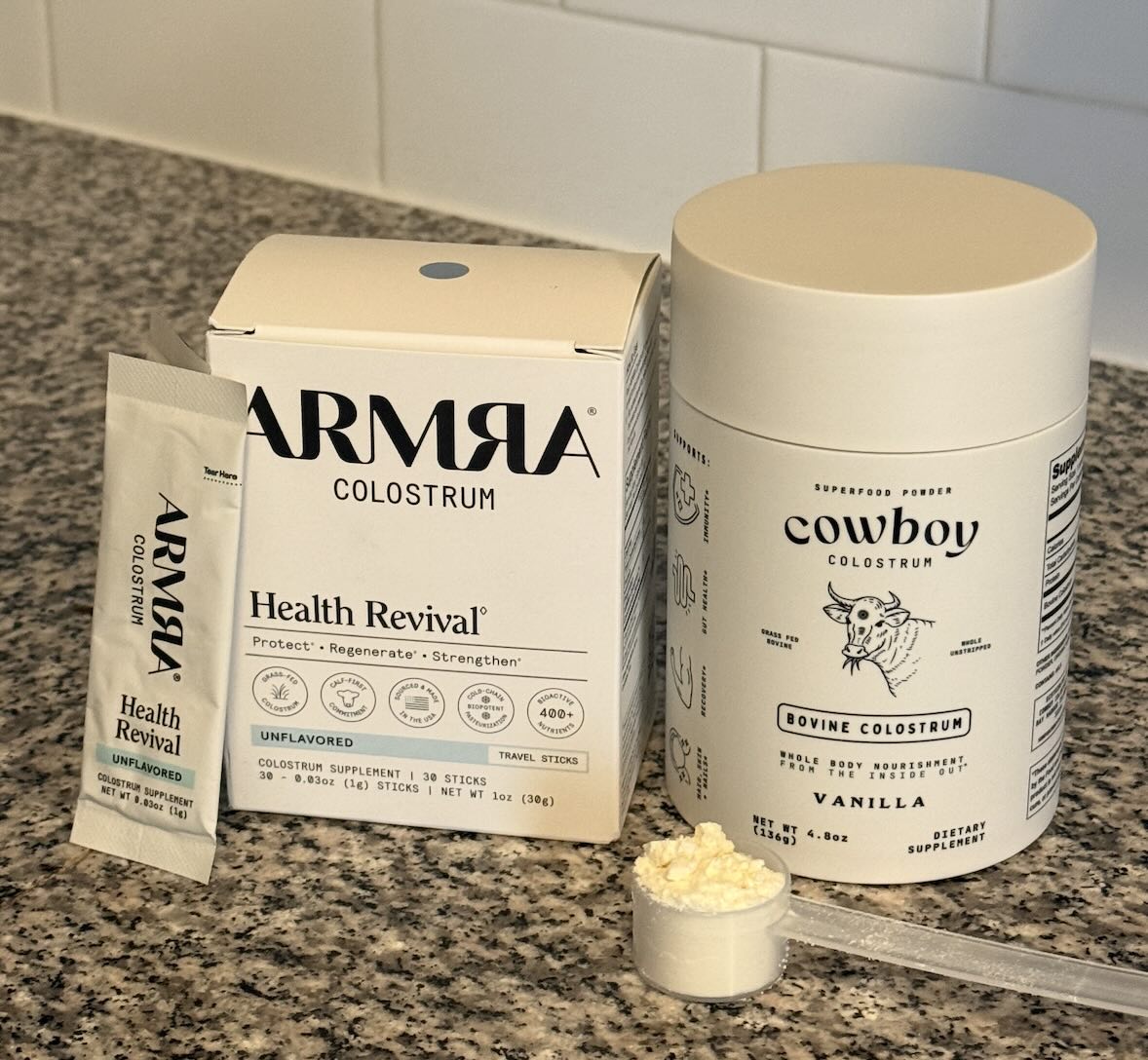
ARMRA vs. Cowboy Colostrum: The Breakdown
Performance Signals
At the end of the day, when it comes to supplements, we have one question: do they actually do anything? The proof is in the science.
Cowboy Colostrum: Commissioned a 12 week open label clinical trial through Citruslabs, a third party research company, in 35 adults. Using validated questionnaires, the study found statistically significant improvements in GI symptom severity and digestion quality of life by Week 8, maintained through Week 12:
- 83% experienced improved gut health
- 79% experienced clearer skin
- 66% experienced increased hair growth
As with any open label trial without a placebo control, results should be interpreted with that context in mind. (link).
ARMRA: Conducted an internal open label survey of 60 participants over 3 months. Open label means participants knew what they were taking, which can influence outcomes. Results have not been published in a peer reviewed journal.
Winner: Cowboy Colostrum. Their study used validated measurement tools with statistically significant findings. ARMRA's internal survey did not.
Value
We’re going to have to do some math here because each brand sells in different serving sizes and contains different amounts of colostrum per serving. Buckle in.
Cowboy Colostrum: Each scoop contains 3.4g of colostrum, and each jar of 40 servings is $49 when you subscribe. That amounts to $0.36/gram.
ARMRA: Each scoop contains only 1g of colostrum, so the daily recommended serving is 4 scoops. Each jar of 120 servings is $83.99 when you subscribe, which lands you at $0.70 per gram – about double the price per gram.
Winner: Cowboy Colostrum, which is about half of the cost per gram.
Sourcing & Quality
Both brands source grass-fed, calf-first colostrum from U.S. farms and are both third-party tested.
Cowboy Colostrum exclusively uses first-day milking, collected within the first 24 hours when bioactive potency is highest. The formula remains whole and full-fat, nothing stripped, nothing added.
ARMRA uses a proprietary process to remove casein and fat, creating a more concentrated isolate. This may appeal to people with mild dairy sensitivity, but it means the product is no longer whole colostrum in its original form. Whether that matters depends on what you're looking for.
Winner: Cowboy Colostrum. While both brands check the sourcing boxes, Cowboy edges ahead for those who prefer a whole unprocessed formula.
Formula Integrity
Reading an ingredient label tells you a lot about what a brand prioritizes.
Cowboy Colostrum (Vanilla): Grass-fed Bovine Colostrum, Organic Madagascar Vanilla Powder, Organic Monk Fruit Extract, Sea Salt.
ARMRA (Chocolate): Proprietary ARMRA Colostrum Concentrate (Bovine), Organic Raw Cacao, Organic Black Cumin, Organic Tart Cherry, Organic Stevia Leaf Extract.
When I evaluate suppements, one thing I always look at is proprietary language on the label. In ARMRA's case, the colostrum itself is listed as a Proprietary Colostrum Concentrate. This doesn't necessarily mean it's a bad product, but it does make it harder to evaluate as a dietitian.
Proprietary means the processing method is not publicly disclosed, so you cannot fully verify what is preserved or lost during manufacturing. And in the supplement world, process often determines potency. Cowboy's ingredient list is more straightforward. Four ingredients, with the colostrum listed exactly as it is, so you know what you're getting from the start.
Winner: Cowboy Colostrum. Four simple ingredients, no proprietary processing language to decode.
Flavors and Mixability
The most important part of a supplement’s success: if you actually take it. A smooth texture and palatable taste help.
Cowboy Colostrum: Available in Vanilla, Chocolate, Strawberry, Matcha, and Unflavored. Consistently described in reviews as creamy and naturally sweet. Mixes easily into coffee, smoothies, and oatmeal.
ARMRA: Offers flavored options including Blood Orange, Peach Persimmon, and Vine Watermelon. Taste reviews are generally positive for the flavored options, though the unflavored version is described as malty and milky with mixed reviews on mixability.
Winner: Cowboy Colostrum. More flavor options and better taste reviews.
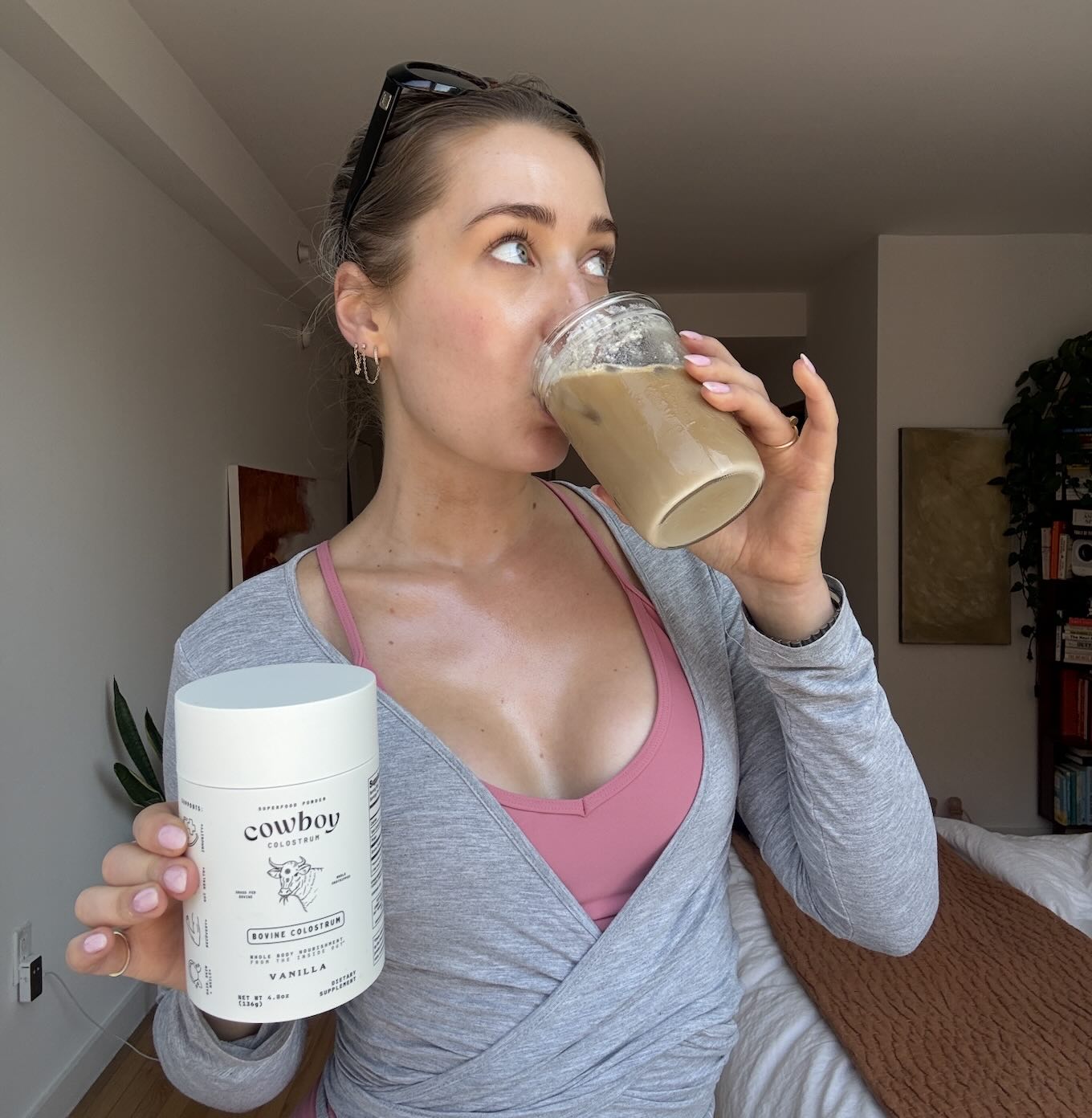
The Bottom Line: Cowboy Colostrum Checks More Boxes
With colostrum's rise in popularity, it's worth having a clear understanding of what to actually look for before you buy. Sourcing and collection timing, scientific research, value per serving, formula integrity, and how well it fits into your daily routine all matter more than the marketing on the front of the label.
Of the two, Cowboy Colostrum checks more of those boxes at a lower monthly cost, making it the stronger choice for most people looking to add colostrum to their routine.