In partnership with Bonafide.
August 5, 2026

I Asked an OB/GYN If Vaginal Dryness Is Just Something Women Have to Live With. Her Response Surprised Me

Shop Revaree Plus
In partnership with Bonafide.
August 5, 2026

I Asked an OB/GYN If Vaginal Dryness Is Just Something Women Have to Live With. Her Response Surprised Me

Shop Revaree Plus

If you're reading this because you're dealing with vaginal dryness, rest assured: you are far from alone.  It's one of the most common symptoms women experience during the menopause transition, yet it's still something many hesitate to bring up – even with their doctor.

As wellness editors, we've spent a lot of time learning about perimenopause over the past few months, and vaginal dryness is one symptom that kept coming up. Curious to better understand why it happens, whether it's preventable, and what treatments actually work, we spoke with Dr. Alyssa Dweck, a board-certified OB/GYN with more than 30 years of experience, a certified menopause practitioner, and the Chief Medical Officer at Bonafide. Here are the four biggest takeaways from our conversation.

No items found.

1. Vaginal Dryness Is a Normal Part of the Menopause Transition

While published research suggests that 50-60% of women experience vaginal dryness during the menopause transition and beyond, Dr. Dweck believes that number is likely higher because many women never mention it to their healthcare provider. Dr. Dweck explained that – importantly – unlike hot flashes or night sweats (which often improve over time) vaginal dryness tends to become a long-term issue if it's left unmanaged.

2. It’s Often Caused by Low Estrogen Levels

The primary culprit behind vaginal dryness is declining estrogen, but menopause isn't the only time it can occur. Dr. Dweck explains that low estrogen levels can also happen during lactation, while taking certain oral contraceptives, or as a result of medications that block estrogen. Understanding the root cause is important because it helps determine which treatment option is most appropriate.

3. Vaginal Dryness Can Both Be Treated & Prevented

One of the biggest misconceptions Dr. Dweck encounters is that vaginal dryness is simply something women have to tolerate. In reality, she says it's both treatable and, in many cases, preventable with regular management.

Treatment options range from local vaginal estrogen to prescription therapies and over-the-counter options. For women who can't or prefer not to use hormones, Dr. Dweck recommends a vaginal moisturizer containing hyaluronic acid, a "safe and effective moisturizing ingredient." She also advises avoiding fragrances, dyes, harsh chemicals, and parabens in intimate products.

4. Dr. Dweck Recommends Revaree Plus for Hormone-Free Relief

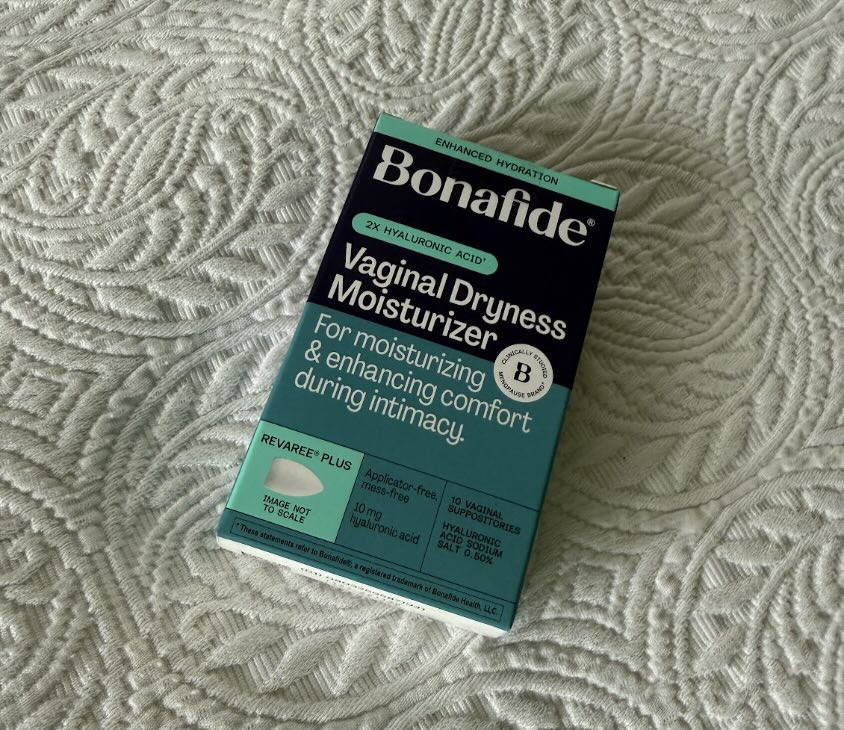
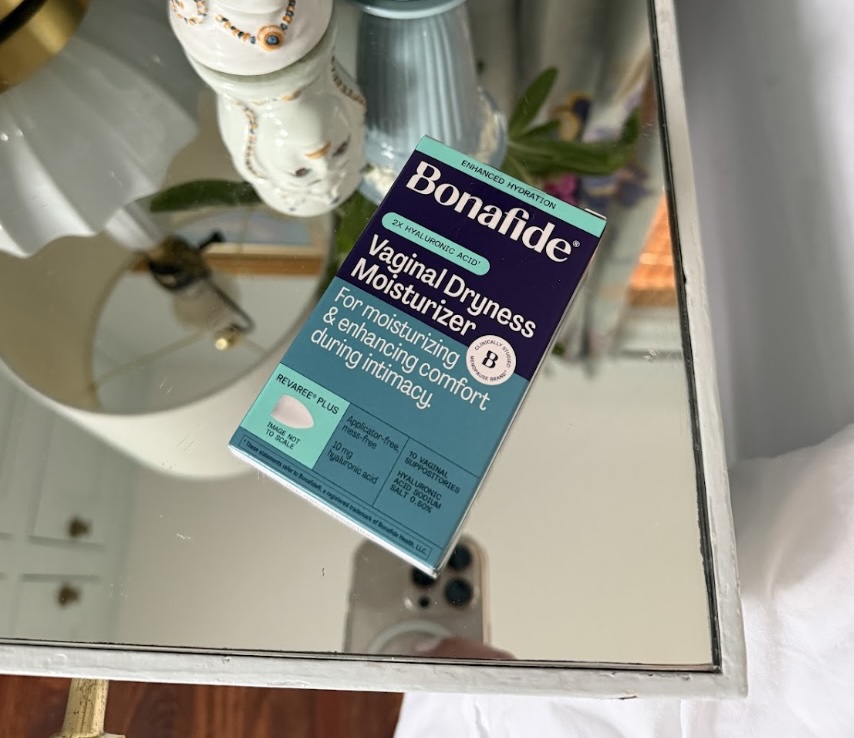
For women looking for a hormone-free option, Dr. Dweck recommends Revaree Plus. The vaginal suppository combines hyaluronic acid with sweet almond oil to help seal in moisture and manage symptoms.

She notes that Revaree Plus is clinically studied, safe, and effective for vaginal dryness. Dr. Dweck explains, "My clinical experience has been vast with both Revaree, a lower dose option, and Revaree Plus, a higher dose/additional ingredient option, with safe and effective use for my patients."

Explore the hormone-free vaginal moisturizer Dr. Dweck recommends.
Shop Revaree Plus

The Quality Edit Newsletter

Want to save on your new favorite thing? Sign up for discount codes, new launches, & editors' picks.