


.jpeg)
We like
We don't like
Our team is dedicated to finding and telling you more about the web's best products. If you purchase through our links, we may receive a commission. Our editorial team is independent and only endorses products we believe in.
Late Checkout is TQE's travel vertical. Whether you're seeking an Eat Pray Love moment of your own, or a wholesome family sojourn, we hope you embark on an adventure requisite of a late checkout below.
Sicilian history is defined by conquest. Between the 7th century BC and the 18th AD, it was conquered by the Carthaginians, the Greeks, the Romans, the Arabs, the Normans, the Austrians. After 2022, it was colonized by new invaders: White Lotus viewers.
We can't entirely blame Mike White for the island's white-hot popularity. Tourism began ramping up in the mid '90s, as anti-Mafia crackdowns recast Sicily as a destination rather than a byword for organized crime. Yet in the past few years, its most luxe locales have suffered The Mykonos Effect: heaving crowds, eye-watering inflation, and a higher likelihood of hearing English than any local dialect.
Still, Sicily is Italy's largest region, and it's not particularly close. Covering 9,900 square miles that shift between volcanic slopes, ancient ruins, and crystal-clear beaches, there's plenty of room to hide from the hordes. So when I set about planning my own cannoli pilgrimage, I made authenticity the name of the game. I steered clear of Taormina and Cefalù, the "must-see" twin jewels featured prominently on the HBO hit. I stayed in Airbnbs inside city centers and on village piazzas, rather than in resorts trapped in artificial ecosystems. And while I certainly availed myself of a spritz or two, I also ate my way through the street food you can find only on Sicilian shores.
If you've got the itch to visit the island on your own terms, consider one of the two home bases spotlighted below. Though radically different, they both offer something more than just photogenic backdrops. They've retained a real sense of la vita siciliana.
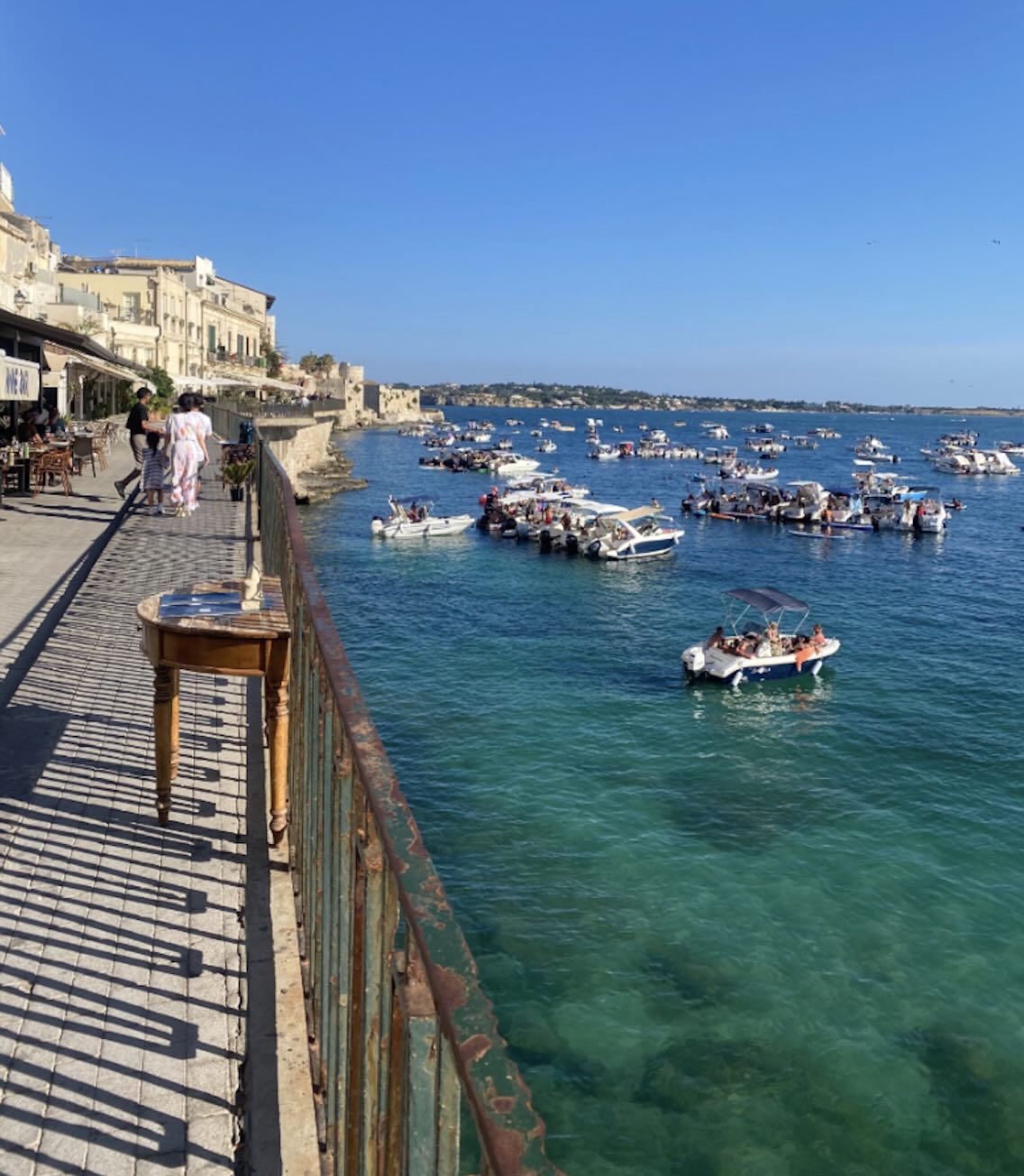
SIRACUSA: FOR SERENITY IN THE SOUTHEAST
While the English-language name for the city is "Syracuse," I can't bring myself to liken it to industrial New York. Not when Siracusa is so resplendent in the sunlight, so majestic in its history as one of the early Greek colonies. As the fourth-largest city on the island, it occupies that Goldilocks zone: small enough to feel manageable, large enough to keep you occupied. Within Siracusa, there's an even more ideal sector to zero in on – the city's breathtaking historic core, Ortigia.
Where to Stay: Ortigia
First, a disclaimer. I'm not claiming that Ortigia, or Siracusa in general, is a deep cut. Both are visited by tourists like any beautiful European port of call, but even in the height of summer I found Ortigia to be remarkably relaxed. A small limestone island connected to greater Siracusa by two small bridges, Ortigia is both the Old Town and the cultural center. Its ancient Greek foundations – dating as far back as 734 BC – lie beneath Roman remains, medieval churches, and dazzling Baroque cathedrals. Yet despite being the oldest part of Siracusa, Ortigia remains very much alive, with waterfront promenades that teem with brand-new restaurants and bars.
In terms of hotels, the Ortea Palace exudes the most grandeur, with its converted Art Nouveau facade and towering position over the marina. Alla Giudecca is a cozier, more rustic option, located in Ortigia's former Jewish quarter. If you're a fan of quirk, then look no further than Hotel Henry's House, where vintage antique furnishings belie modern hospitality.
Yet I was more than thrilled by my Airbnb of choice, Maisonette San Paolo. A moody, mauve-toned studio with a secluded patio, it was just steps away from the original Temple of Apollo (and the molto hip cocktail bar overlooking it, BOATS). Like most of Ortigia, it was but three blocks from the waterfront, which made parking our rental car at any of the seaside garages a breeze. But if you're keen to remain on foot, then you'll be right at home – the vast majority of Ortigia is pedestrianized.
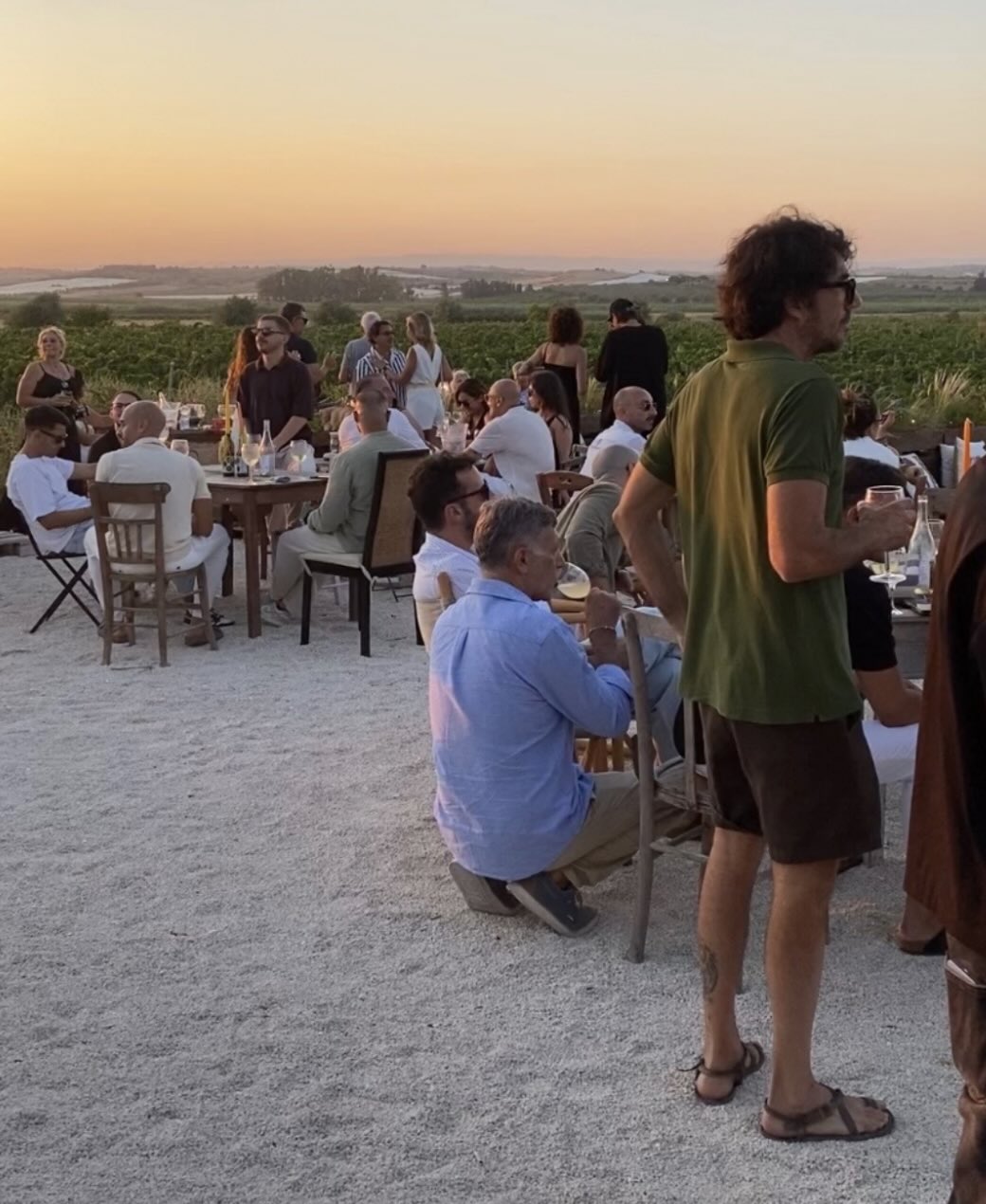
What to Do: Ancient Ruins, Nature Reserves, and the Breathtaking Val di Noto
Spend the first day, at least, wandering Ortigia. Though it only runs one mile from tip to tail, every alleyway is packed with charm. The stunning Piazza del Duomo is as central a point as any, framed around the city's cathedral founded by the Byzantines. The nearby Fonte di Aretusa is a picturesque freshwater spring, a miracle of nature located just feet away from the salty Mediterranean. Speaking of, the entire perimeter of Ortigia is waterfront, so a lap around the lungomari (or boardwalks) is a must. Pro tip: the western promenade has the sunset views, but because of that also attracts more crowds. For a relaxing cocktail hour, settle in at Terraza Vigilena on the eastern side.
Once you're ready to venture to mainland Siracusa, you've got two can't-miss attractions to attend to. The Church of Santa Lucia Extra Moenia has an original Caravaggio over the altar, and trust me when I say that photos don't do his colors justice. Then you can spend a stirring afternoon at the Neapolis Archeological Park, one of the greatest collections of Greek and Roman ruins in all of Europe. But if antiquity isn't your thing, you can stick to culinary sights instead. Sicilians begin their mornings with a breakfast of granita and brioche, and the ricotta and pistachio-flavored granite at Mangiafico Voglia Matta are second-to-none. Also make sure to get yourself a panino from Caseificio Bordieri. Several friends told me their sandwiches were the best they'd ever had… having just been, I think they might be right.
You'd also be remiss not to explore the nearby Valley of Noto, even if it violates the central premise of this article. The town of Noto features prominently in Season 2, Episode 3 of The White Lotus, but because of its inland location it hasn't been as overrun. Either way, it's absolutely worth a visit, with its honey-gold stone facades that make it a UNESCO World Heritage Site. Nearby Ragusa and Modica are just as spectacular, with the latter making a particularly great stop for souvenirs. Modica is known throughout Italy for the quality of its chocolate, and Antica Dolceria Bonajuto makes the kind that are perfect for bringing home.
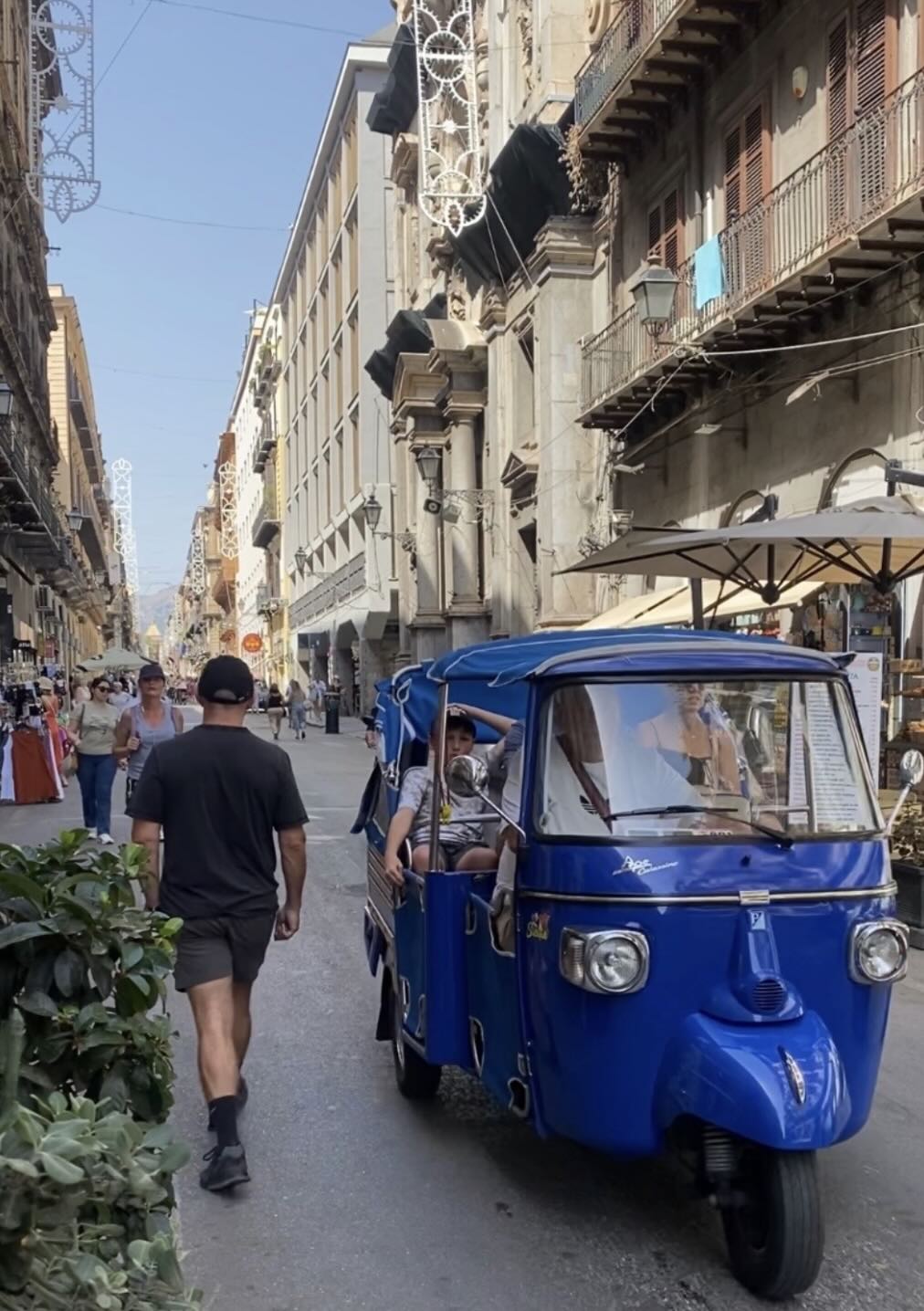
PALERMO: CHARM MEETS CHAOS IN THE NORTHWEST
Sicily has a reputation for being frenetic. Tempers run hot, hands fly faster than words, and drivers view lane lines as mere suggestions. I found this to be pretty wildly overexaggerated… until I got to Palermo. Palermo is a city known more for its grit than its glamour, but its energy and vigor are totally addicting. Located closer to North Africa than to mainland Italy, it lives at its own cultural crossroads, where palm trees abound and trattorie serve seafood couscous. While you might not come to Palermo for a restful retreat, the city's vibrant spirit makes it an unforgettable visit.
Where to Stay: La Kalsa
Usually I'm a restless tourist, keen to explore every nook and cranny of a new city. Yet as much as I ventured out deep into Palermo, I always looked forward to coming back to the Kalsa. One of the city's most historic neighborhoods, the Kalsa also feels like its most revitalized, a youthful hub where diners spill into the streets below crumbling palazzos. Its outer rings near the waterfront are lived-in, residential, filled with chatty neighbors who have known each other for generations. Yet the winding streets in the core of Kalsa are a parade of galleries, artisan studios and natural wine bars. Avoid the more generic historic core and stay where the action is.
Here again I opted for an Airbnb, the serene Green Terrace located right off Piazza della Kalsa. It's decorated with antique furniture, and well air-conditioned to boot – a must in a city that can often be sweltering. Across the street is Chiluzzo, which I assumed on arrival was a small bodega but turned out to be an acclaimed destination for arancine. Arancine (not to be confused arancini, as the Eastern Sicilians call them) are rice balls stuffed with a variety of fillings before being breaded and deep fried. Wherever you get them, don't sleep on the alla norma variety. That's the combination of eggplant and ricotta that forms many of Sicily's best dishes.
Spasimo Hotellerie is a fantastic hotel option, though, just steps from the roofless Church of Santa Maria dello Spasimo. The historic but uncompleted church now serves as a jazz conservatory, so you may even hear a serenade from your garden suite. Aquasuite offers a boutique experience centered around hydrotherapy, in addition to a full wellness center. And Pànto is a popular option among the design-minded set, particularly for its rooms with panoramic rooftop terraces.
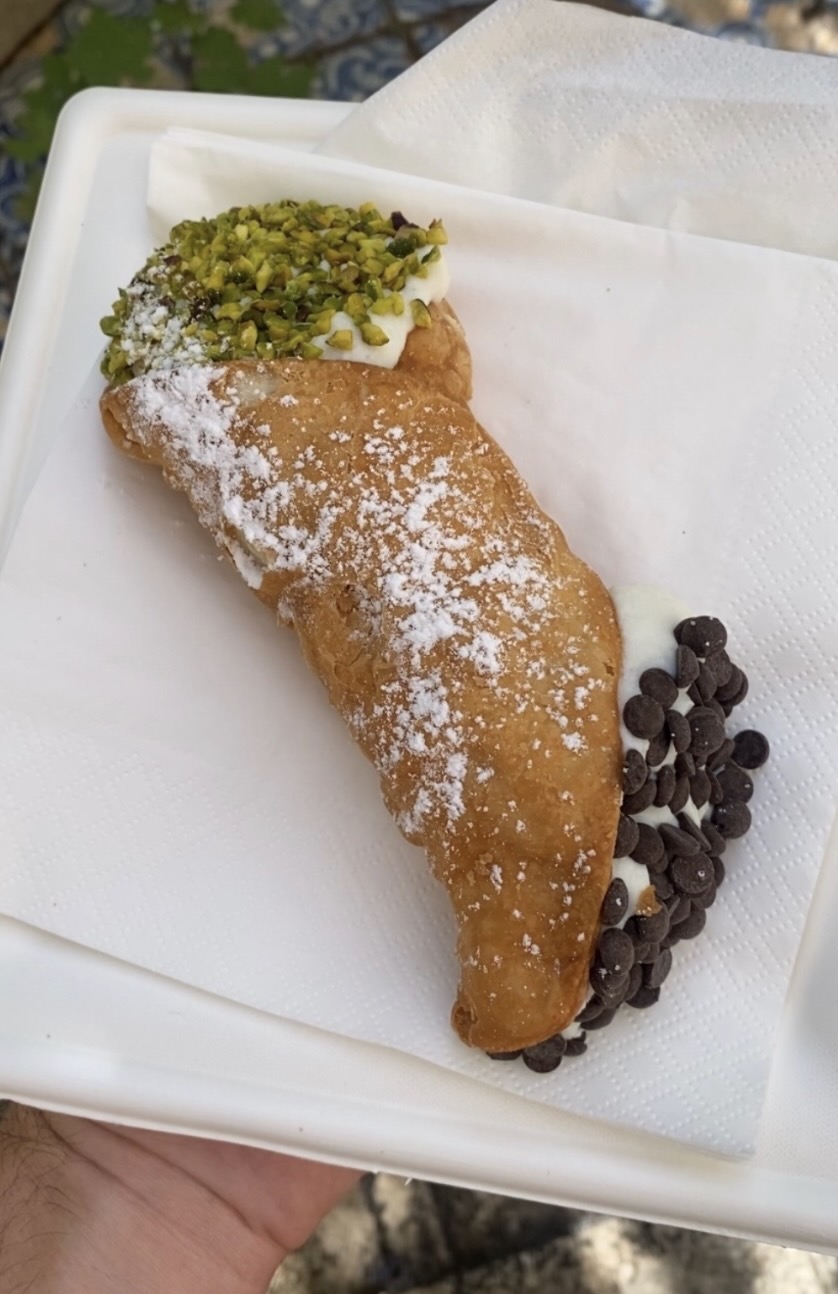
What to Do: From Street Markets to the Sea
The first thing everyone will tell you about Palermo is that you have to eat the street food. And you do. Everything from pane con panelle (a sesame roll stuffed with chickpea fritters) to sfincione (a pizza-like dough topped with tomato, onion and anchovy) is delicious, and can be found piping hot in one of the city's bustling markets. Check out Ballaró Market by day and Vucciria by night; the latter becomes a party well into the wee hours. But for my money, the best bite in Palermo isn't savory, it's sweet. The former convent of Monastero Santa Caterina now houses bakers who dole out the best cannoli you'll ever have in your life. Get there by the 10am opening to skip the line, and order as many pastries as you can stomach. You won't regret it.
Palermo is also home to what may now be my favorite museum: Palazzo Butera. When I saw the building was an 18th-century palace, I expected the art inside to be traditional. It's anything but. Instead, the building houses Francesca and Massimo Valsecchi's intensely personal, eclectic collection, where Renaissance paintings sit alongside pop iconography from the 1980s. In terms of traditional sightseeing, Palermo has plenty to offer, but the most mesmerizing sight is located 30 minutes outside of town. Up in the hills, the small village of Monreale is home to one of the great masterpieces of medieval architecture. The Cathedral of Monreale is beautiful on the outside, but jaw-dropping on the inside, covered with over 60,000 square feet of gold mosaics. When the light hits that gold, the entire interior glows. If you only enter one church in all of Sicily, make it this one.
When it's time to hit the beach, you'll be tempted to try Mondello. Just 20 minutes away from the city center, it's definitely the most obvious choice. But the lidos there are packed due to its proximity, while the most dramatic vistas reward those willing to head further out. Tonnara di Scopello is as bougie as it gets, a secluded, rocky cove that feels part private club, part wealthy estate. The Tonnara museum limits access to a small number of visitors per day, so advance booking is required – and beyond worth it. If you're not in the mood to reserve your beach day, you can show up to San Vito Lo Capo whenever you like. Nestled between limestone cliffs and the wild coastline of the Zingaro Nature Reserve, the beach has almost surreally turquoise water you hardly ever find outside of the Caribbean.
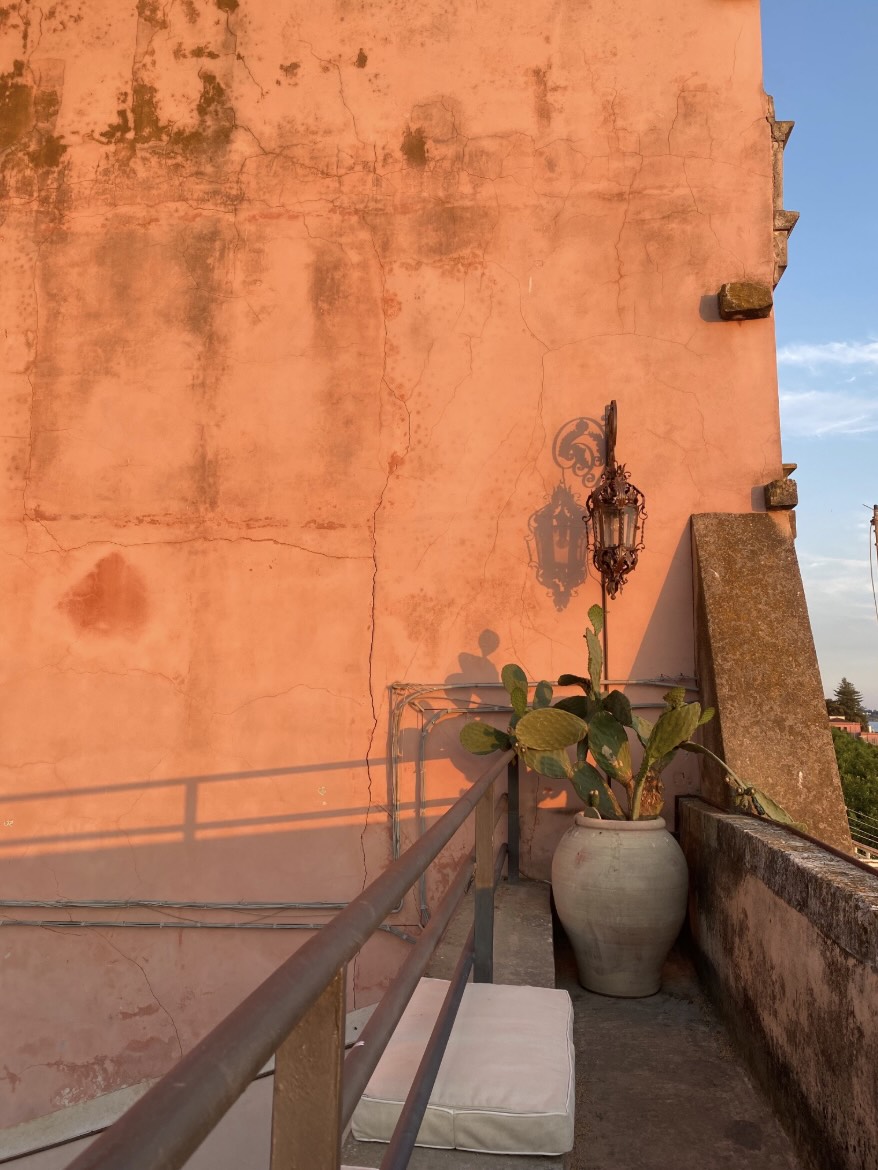
PERCHÉ NON ENTRAMBI? (WHY NOT BOTH?)
Of course, my favorite answer to any choice is both/and, and you can absolutely combine both of these locales into one trip. Just stay mindful of the fact that Sicily is a large island, and that each hub is worth 4-5 days of your time. By staying put for longer, you can scratch even deeper beneath the surface. From Siracusa, you can tour Mount Etna, Europe's highest active volcano as renowned for its volatility as for its nearby wineries. And from Palermo, you can visit the seaside town of Trapani, then take the 40 minute ferry to the tiny, breathtaking island of Favignana.
Wherever you choose to set anchor, just know you've got options away from the cruise ship crowd and the influencer mobs. Sicily's real luxury doesn't lie in five-star resorts, it's the cooling swims you take after a coastal hike, the sunsets you watch from terraces on glittering hilltops. Sicilians by and large are warm, friendly, inviting hosts, and will welcome you into the rhythms of their daily lives. It's an island that's meant to be lived, not just documented; seen up close, not framed through the gates of a walled-off property.
I love The White Lotus as much as anyone, but it's satire for a reason. We can all aspire to a bit more in our travel than those poor, privileged souls.
.jpeg)
.jpeg)


