We like
We don't like
Our team is dedicated to finding and telling you more about the web’s best products. If you purchase through our links, we may receive a commission. Our editorial team is independent and only endorses products we believe in.
Let’s be honest: some of us just sweat more. I have always struggled with sweating, especially in my teens (it truly seemed there was no end to my armpit stains). Forget about ever wearing light colors – I still don't own any grey t-shirts – the slightest change in temperature or peak in anxiety had me sweating like I had run a marathon.
Needless to say, I have done my fair share of research to get my armpits under control. Now it’s time to share it with you.
Deodorant and antiperspirant are not one-size-fits-all products. It is important to know what you are struggling with – is it B.O. or hyperhidrosis? You’ll also want to figure out what triggers your sweat: exercise, anxiety, hormones, certain fabrics. These, along with many other factors, can help you find a routine that can tackle the root cause of your issues.
With help from Dr. Nicole Lee, MD MPH FAAD, board-certified dermatologist and owner of Epoch Dermatology, we’ve put together a no-shame guide to finding the deodorant (or antiperspirant) that actually works for your body. It's time to destigmatize sweaty pits.
Reading Your Pit Stains
Let’s start with the basics. When treating sweating and body odor, it is important to note that they are two separate things. Excessive sweating (aka hyperhidrosis) can be broken down into two categories: primary and secondary.
Primary hyperhidrosis has no underlying medical cause. Dr. Lee says it comes down to a neurological issue that makes your sweat glands overactive. This type of hyperhidrosis tends to run in families and can show up on different areas of the body: underarms, palms, feet, or face.
When it comes to secondary hyperhidrosis, the issue is driven by an underlying condition like thyroid dysfunction, diabetes, hormonal shifts like menopause, certain medications, or infections. This means your sweating may be able to be controlled by treating an underlying condition, while the hereditary version cannot.
Body odor, on the other hand, is the term that encompasses the smell that may build up in your armpits or other areas due to your body’s reaction to sweating. Note that I said as a reaction to, not from sweating itself (sweat is largely odorless, Dr. Lee explains). In reality, body odor doesn't come from sweat – it comes from bacteria living on your skin.
“The smell comes from bacteria breaking down what's secreted by the apocrine glands, which are concentrated in the underarms and groin,” says Dr. Lee. “Those glands produce a thicker, protein rich sweat that bacteria love, and the byproduct is what we associate with body odor.”
Why Do Some People Deal With More Sweat and B.O. Than Others?
According to Dr. Lee, genetics play a major role, both in sweat gland activity and in the composition of your skin microbiome. Some people are just born with more apocrine glands than others, which unfortunately can directly affect odor intensity. Hormones can also cause changes in sweat patterns, shifting during puberty, pregnancy and menopause.
When it comes to what triggers sweating and B.O., things like diet, medications, stress, fabrics and hormones are all factors. Foods high in sulfur (like garlic, onions, and cruciferous vegetables) are excreted through sweat and can noticeably change the way you smell. Red meat, alcohol, and spicy foods compound the issue as well. There are also certain medications that can trigger sweating as a side effect, so it is something Dr. Lee makes sure to ask about when a patient comes in exhibiting new or worsening issues. Emotional stress can be a trigger too, as it is known to activate apocrine glands, which are most associated with body odor.
Some synthetic fabrics, like polyester, trap heat and moisture and create an environment where bacteria thrive. It’s safer to stick with natural fibers like cotton, linen, and merino wool to stay fresher during the day. Hormonal fluctuations throughout the menstrual cycle, pregnancy, and menopause can also play a role in how your body reacts to sweat. Dr. Lee says there is also emerging research that shows your gut’s microbiome may have an influence on odor as well.

Sweat v. Stink
What is the actual difference between deodorant and antiperspirants? Dr. Lee explains that although the names – deodorant and antiperspirant – are used interchangeably, they are two completely different things that target different problems. Deodorant targets odor, and it works by neutralizing the bacteria on your skin that cause smell (products that contain mandelic acid for example), or masking it with fragrance. There are thousands of deodorants in different forms – sprays, powders, sticks – and fragrances on the market. Some products boast natural ingredients and some claim to be extra-strength, but one thing is for certain: deodorants do not stop you from sweating.
If you are worried about excessive sweating, you’ll need an antiperspirant. Antiperspirants actually reduce sweat production, temporarily plugging the sweat ducts with a compound, most commonly aluminum. According to Dr. Lee, the FDA actually classifies antiperspirants as an over the counter drug and deodorants as a cosmetic, a very important distinction.
There has been a long debate in the wellness community about whether or not aluminum based antiperspirant formulas are safe to use. Chiefly because at one time it was thought that long-term exposure to aluminum could be linked to diseases like breast cancer and Alzheimer's disease. However, according to Dr. Lee these myths have no scientific standing. Concern originated from older, largely debunked studies that neither the American Cancer Society nor the Alzheimer's Association supports. The amount of aluminum absorbed through the skin from antiperspirant is minimal, and is safe for the majority of people to use everyday.
When asked about the effectiveness of natural formulas, Dr. Lee says these products have come a long way. For mild to moderate odor, these products can work well – but they will not work to reduce sweating.
Doctor’s Orders
When patients come into Dr. Lee’s office complaining of strong odor or excessive sweating, she recommends a couple courses of action. First, and patients are often surprised by this, is using an antibacterial wash in the underarm area to cut down on the odor causing bacteria that live there. She likes to prescribe a benzoyl peroxide wash for this, but Hibiclense is an even gentler option.
For patients with excessive sweating, she recommends trying widely available clinical strength products first like Secret Clinical Strength and Dove Clinical Protection. As a pro tip, she says applying antiperspirants at night help the products get properly absorbed as you sleep. If all else fails, Dr. Lee will prescribe an aluminum chloride hexahydrate like Drysol, which tends to make a huge difference with stubborn cases.
For people looking for a more permanent solution, Dr. Lee recommends a few different medical treatments. Iontophoresis, a mild electrical current passed through water to temporarily block sweat ducts, is a highly effective treatment, but the catch is it can be extremely difficult to find a place that offers the service. A more widely available option are Botox injections, which are FDA approved to lessen underarm hyperhidrosis. I have personally tried this method and find it extremely effective; however they are super expensive, reaching upwards of $1000 depending on where you go and last only 2-6 months. Dr. Lee also suggests miraDry, a non-invasive microwave based device that permanently destroys sweat and odor glands and is a great long lasting option for the right candidate.
With all of the semi-permanent treatments, it is still important to find an OTC routine that can work in tandem with whatever else your doctor prescribes to be used as these treatments wear off and symptoms slowly return.
Sniffing Out the Best Formula
Picking a formula can be daunting, but if you are well versed in your needs and the products on the market you’ll be able to make an educated choice. Sometimes these products require a bit of trial and error to find the right fit. When asked about price point reflecting performance, Dr. Lee cautioned against getting swept up in the hype. Her go-to formula for hyperhidrosis, Secret Clinical Strength, is one of the most affordable choices and is proven to be one of the most effective for sweat reduction. When it comes to natural deodorant, she says you're largely paying for ingredient quality, formulation elegance, and packaging. The bottom line is that the right product depends on what the person actually needs – if sweating is the issue, no natural formula will match a clinical strength antiperspirant regardless of price.
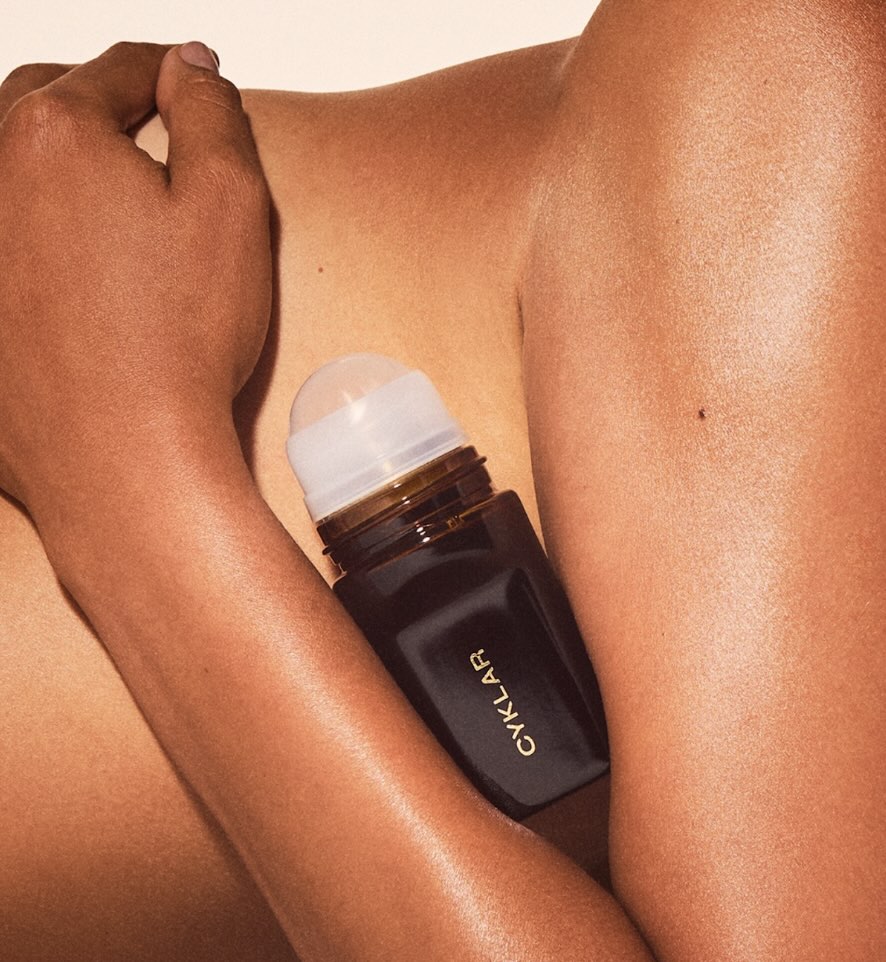

I'm not going to lie and tell you the thing that first drew me to this deodorant was anything but the gorgeous packaging. The elegant glass bottle and gold top make the product beautiful to look at. As for the formula, it is an aluminum and baking soda-free gel that dries down clear and is clinically tested to stop odor for up to 48 hours. I am already a tried and true fan of CYKLAR's fragrances, whether it be in a body lotion or roll on perfume, so being able to include more products into my routine was a no brainer. My favorite fragrances are the warm and woodsy Sacred Santal and the decadent and creamy Vanilla Verve, but there are also two other, just as delectable scents to choose from.
The hero ingredient in CYKLAR's deodorant is the mandelic acid – a buzzy new ingredient in the deodorant world – an AHA molecule that kills stubborn bacteria that cause body odor. This is paired with azelaic acid to brighten underarms, shikimic acid to prevent ingrown hairs and zinc and magnesium PCAs to soothe and strengthen skin, CYKLAR's deodorant is like skin care for your underarms. Dr. Lee notes that the Cyklar's formula is one of the more sophisticated options on the market with mandelic acid, azelaic acid and octenidine HCl, a more active formula than most natural deodorants on the market.
Unfortunately, CYKLAR's deodorant is not an antiperspirant, meaning it will not aid in stopping any excessive sweating, but for those of you who are in it for help with body odor only this is a great option.
We like
We don't like


When I came across AKT's award-winning deodorant balm it was one of the few moments I have been genuinely confused by a product. How could a product that seemed so simple do all of the things it claimed to do with no harsh ingredients? I had to try the product's patented DEO-BARRIER COMPLEX™, otherwise known as vitamin E, shea butter, calendula, sodium bicarbonate, zinc oxide, diatomaceous earth and arrowroot, for myself.
The Deodorant Balm is one of the only products of its kind that I have seen packaged in a squeeze tube, intended to be massaged into the armpit. The balm was originally created for actors performing on London's West End, helping them stay dry and BO-free after long performances under the bright lights. To use it, you squeeze a pea size amount of the balmy formula onto your fingers and rub it into your armpits, or really anywhere you sweat, and eventually the product should dry down to an invisible powder working all day to keep you fresh and dry.
The balm comes in six scents: Orange Grove, After Thunder, The Onsen, Halcyon Summers, Columbia Road and a scentless option: No Notes. Each scent is unique ranging from subtly floral and warm and cedary, but they all share a common thread that is reminiscent of a luxury spa.
The product does not claim to be an antiperspirant anywhere on its website, but the inclusion of arrowroot and diatomaceous earth – both naturally occurring organic powders – have been seen to aid in absorption of excess oils and sweat. When I put it to the test I can confirm that it held up to regular sweating, but after a short stint on the treadmill the natural powders were no match for my pit stains.
When it comes to natural deodorants, I can confidently say I think The Deodorant Balm lives up to the hype. When I asked Dr. Lee about AKT, she called it, “a well executed traditional approach to deodorant.” We all know the trope that comes with using natural deodorant – you are probably the stinky person on the subway, but this product genuinely works to stop smell and limit light sweating in most situations.
We like
We don't like
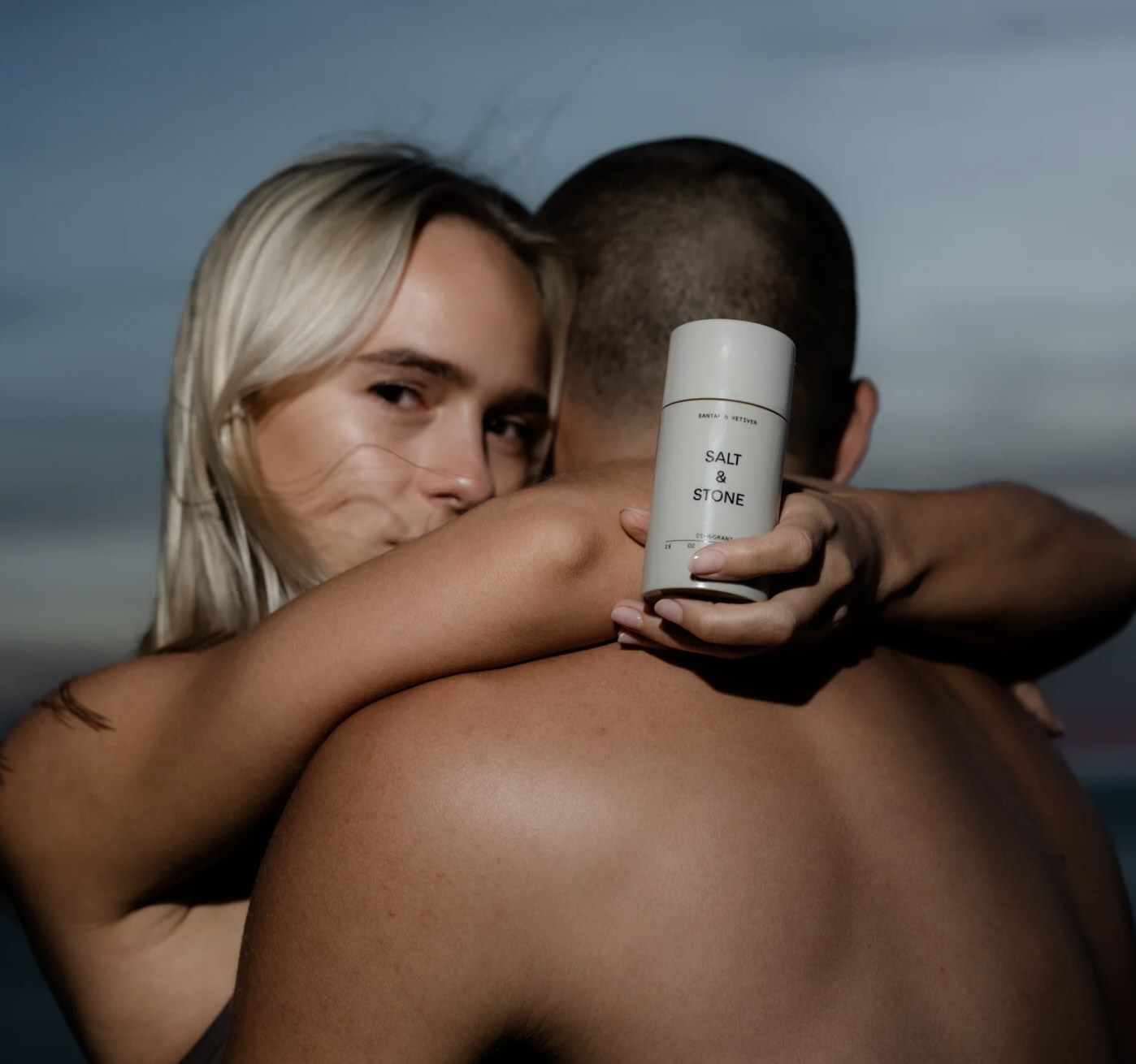
For the not-so-sweaty girls, Salt & Stone's deodorant (not antiperspirant) is an award-winning, aluminum-free formula that will keep you smelling fresh. It is made with prebiotics that help neutralize odor (an ingredient praised by Dr. Lee), seaweed extracts that moisturize and antioxidants and niacinamide to repair your skin while you wear it.
Salt & Stone is at its core a company focused on its rich and unique scents, so it makes sense that when it comes to deodorant their claim to fame is their diverse scent catalogue–like my favorite option Santal & Vetiver: Australian sandalwood, amber, cedar and violet. Each highly-rated fragrance can mix into your bodycare routine to become a part of your fun and sexy signature scent.
Salt & Stone's deodorant is not my personal everyday pick because of its light protection and lack of antiperspirant capabilities, but for people who worry less about excessive sweating it is still a lovely choice on light activity days or cooler weather when you are more focused about smelling yummy and not about armpit stains.
We like
We don't like
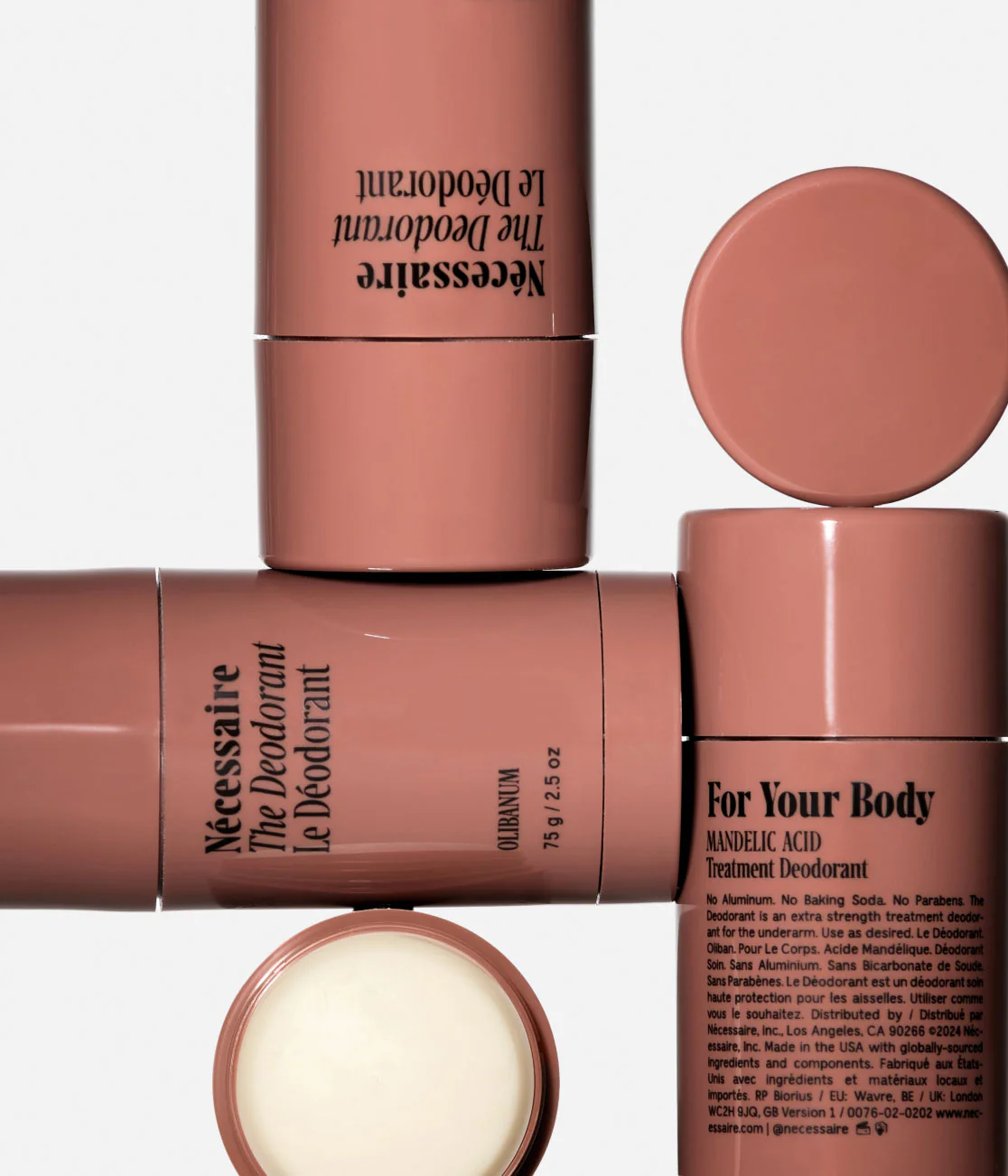
Another favorite for the fragrance girlies, Nécessaire's The Deodorant is an aluminum and baking soda-free formula designed for extra-strength odor protection. Like Salt & Stone's deodorant this product will not stop excessive sweating as it is not an antiperspirant. It's a great everyday option for people that don't sweat much and are looking more for gentle help with odor.
The formula is a soft-solid stick that is infused with a hybrid of our favorite anti-stink ingredient: mandelic acid that helps neutralize odor-causing bacteria.
Again, this is another product where the fragrance notes stand out. The products are brimming with beautiful, natural scents like olibanum, eucalyptus, vanille, fig, black pepper and jasmine.
We like
We don't like
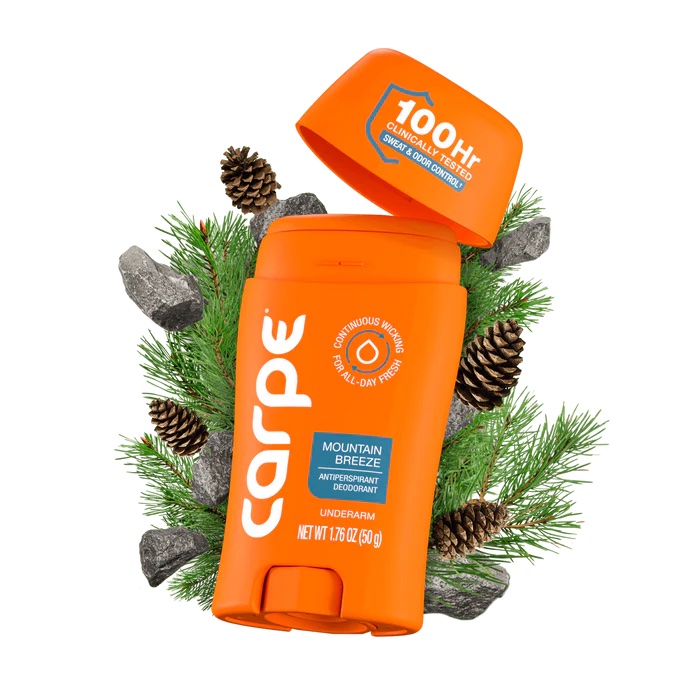
Time to bring out the big guns. After years of experiencing sweating, I thought I had tried everything. Fast forward to Carpe being introduced to the market, and suddenly a product exists that can stop my sweating without medical intervention. Most deodorants just mask odor, but Carpe has created an antiperspirant that works to eliminate excessive sweat at its source. It is designed for people who’ve tried everything else and nothing has worked.
The product is applied at night (when your sweat glands are least active) and works the next day to stop sweating and block odor. Carpe's Underarm Stick comes in seven scents ranging from clean sport to coconut vanilla.
I found that applying the product to fresh, clean armpits after my nightly shower allowed for the product to really sink in, giving me sweat and odor-free protection for the next 24 hours. The product deeply targets sweat glands, and less sweat means that odorous bacteria are less able to proliferate in the armpits.
It’s important to be consistent with this product, which makes it even more convenient that Carpe has a subscription that lands at your doorstep monthly. The product has a 100% satisfaction guarantee, meaning if you don't like it they will refund you your full purchase amount. However, I don't think you'll be disappointed.
We like
We don't like
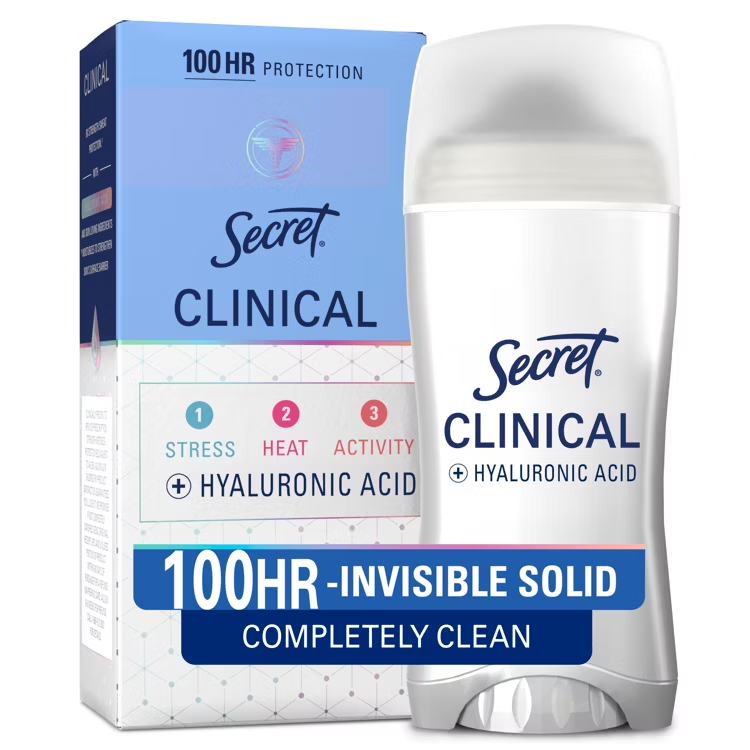
If you grew up with hyperhidrosis you know that Secret Clinical Strength 48-Hour Antiperspirant Stick is maybe one of the most highly-recommended products for people suffering from excessive sweating. Secret’s formula truly stands the test of time (and comes highly rated by dermatologists like Dr. Lee): the product was released in 2007 as the first product providing women with clinical sweat protection without a prescription at the time, and it still is one of the most highly-rated antiperspirant formulas today.
The product claims to provide effective protection against three types of sweat: stress sweat, heat sweat, and activity sweat. All three of which are unique challenges that women have to deal with daily. I personally have used this product since high school, when my problems with sweating started to come to a head, and found it to be incredibly effective in limiting sweating.
I have only ever found one problem with this formula, and it is that if you do not wait for the gel to dry it will get on your clothes and it is an incredible pain to get off. This can easily be avoided by making sure to rub in the product completely and giving it a second to soak in. Other than that, this is a clinically proven and affordable way to manage excess sweating and body odor.
We like
We don't like
And the Winner Is…
After testing out all these products myself, I found a couple new formulas to love. If you are looking for the cheapest and most effective options to treat hyperhidrosis, try Secret Clinical and Carpe – they stand the test of time and come recommended by dermatologists like Dr. Lee.
Among natural formulas, CYKLAR and Nécessaire justify their price points more on the ingredient front, with the inclusion of mandelic acid, which actually works to fight underarm odor. For a product that is powered by probiotics, Salt & Stone is a gentle, natural formula that may be right for you.
If you are interested in trying an innovative product that is tested under the harsh lights of Broadway and London’s West End, AKT’s balm is a unique, award-winning product to try for yourself. It is important to go with whatever works for you – no two armpit stains are the same, and neither are any two bodycare routines.