



We like
We don't like
Our team is dedicated to finding and telling you more about the web’s best products. If you purchase through our links, we may receive a commission. Our editorial team is independent and only endorses products we believe in.
Creatine has long had a pretty bro-y reputation: Bodybuilders and elite athletes have used it for performance and gains since the 90s. But in the last few years, it’s become one of the most talked-about supplements among women: Halle Berry mentioned how it eased her menopause-caused brain fog in a recent interview with Vogue, and Kourtney Kardashian Barker has jumped on the trend, selling creatine gummies through her brand Lemme. Women are embracing to get stronger, preserve muscle, and stay healthy as they age.
Unlike many wellness trends, though, creatine actually has decades of solid research behind it. When paired with resistance training, it's been shown to help increase strength, support lean muscle growth, boost athletic performance, and improve body composition. Emerging research also suggests it may also play a role in healthy aging, mood, and cognition, making it especially appealing for women entering perimenopause and menopause. As someone who loves to lift weights four days a week, I’ve had more energy after a few months of consistent creatine use, and I’ve been able to push heavier weights on a regular basis.
So, it’s not a question of whether creatine works or not, but rather, which product to buy. As more companies release creatine specifically for women, it's easy to assume you need a special formula. In reality, you’d be paying a “pink tax”—a higher price for women-specific marketing. Most creatine products contain the same research-backed ingredient: creatine monohydrate. Instead of looking for vague claims like "toning" or "no bloating," look for brands that prioritize quality and third-party testing.
Here's what women should know before buying and the best creatine supplements worth adding to your routine.
What To Know Before Taking Creatine
Dosage
In order to get the maximum benefits of creatine, you need to establish a daily habit—you won’t see results from taking it one day a week. The recommended amount for most women is between 3 to 5 grams a day across your lifespan. However, some preliminary research suggests you need at least 4 grams for any brain benefits.
Previous sports science advice recommended “pre-loading” creatine, by taking 20 to 25 grams a day for seven days, but that results in bloating and temporary water weight gain. Most experts now say that you can achieve the same results with a month-long dose of 3 to 5 grams a day.
Forms of Creatine
Plain creatine monohydrate powder remains the gold standard. It's the form used in the vast majority of research, consistently shown to be effective, and it's usually the most affordable option.
One caveat though: The "best" creatine is the one you'll actually take every day. If a flavored powder, gummy, chew, or electrolyte mix makes it easier to stay consistent, that's reasonable. I personally prefer gummies. Just make sure you're getting an effective daily dose of creatine monohydrate.
Gummy vs. Powder
Powders are typically the most cost-effective way to get your daily 3 to 5 grams of creatine. Gummies and chews are more portable and convenient, but you'll need to eat several to reach the recommended dose and they cost more per serving.
Gummies are also trickier to manufacture than powders, making third-party testing especially important. Some creatine gummies have been found to contain little—or even none—of the active ingredient because creatine can degrade during production.
Third-Party Testing
The supplement industry is like the Wild West. Unlike prescription medications, supplements aren't approved by the FDA before they reach store shelves, so some products don’t contain what they say on the label. Independent third-party testing is one of the best ways to verify a product contains what the label claims.
Our Favorite Creatine Products


Dosage: 5 grams
Cost Per Serving: $0.48
Thorne is one of the brands known for its commitment to ingredient transparency, and it is NSF Certified for Sport, one of the most respected third-party certifications in the supplement industry because it verifies that products contain what's listed on the label and are free of banned substances. Thorne’s creatine powder covers the basics: 5g of unflavored creatine monohydrate that you can stir into your smoothies, yogurt, or even a glass of water.
We like
We don't like

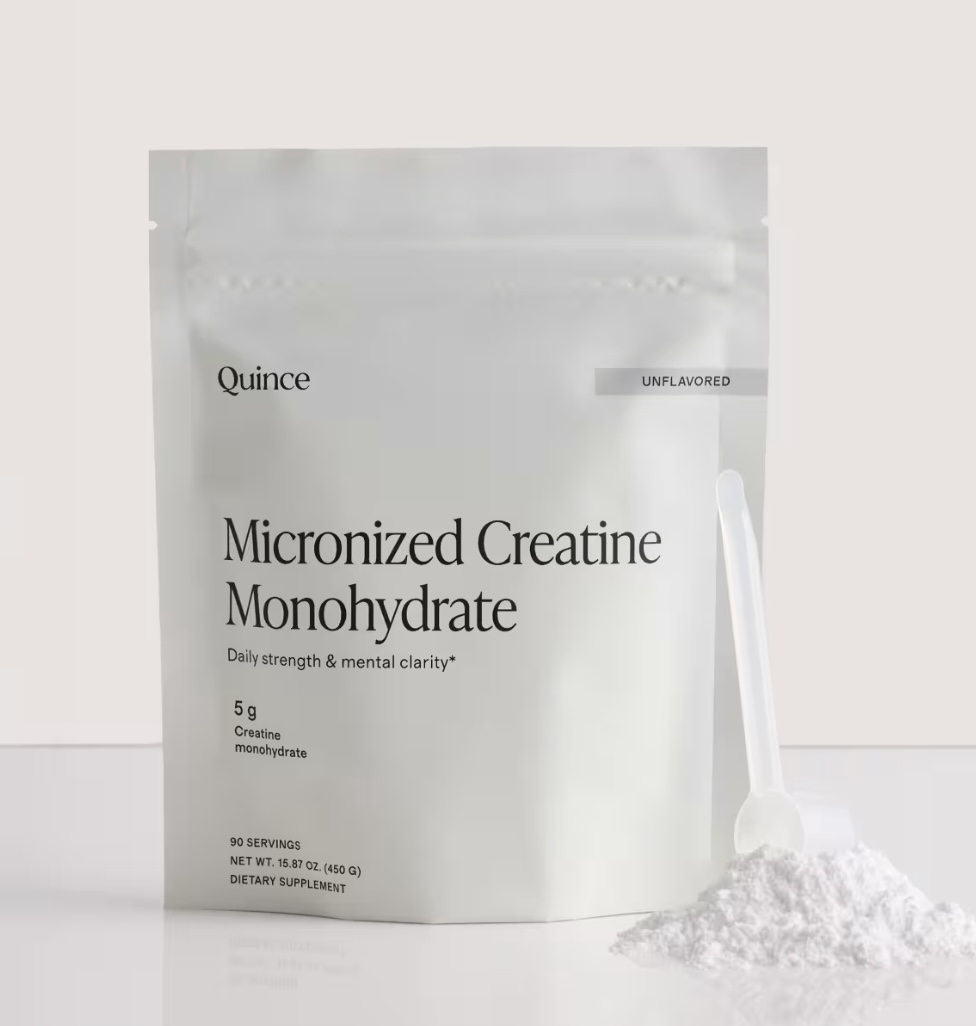
Dosage: 5 grams
Cost Per Serving: $0.22
At $20 for 90 servings, this is one of the most affordable third-party tested creatine powders we’ve found. It’s a straightforward powder that mixes easily into smoothies and water. While it isn’t NSF Certified for Sport like Thorne, it is well-tested enough that you’ll feel confident you’re getting the right dose.
We like
We don't like
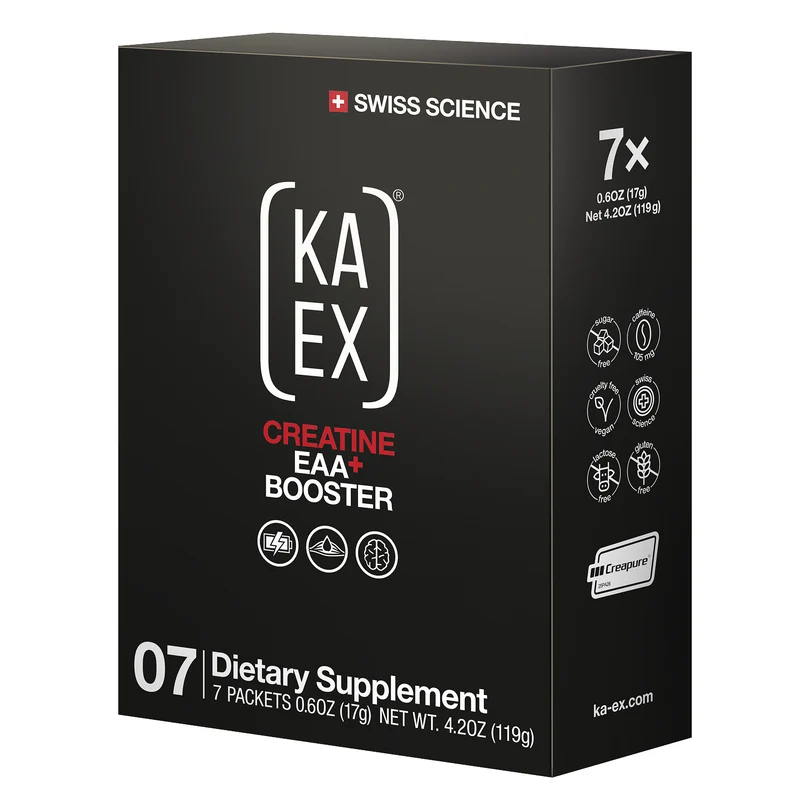
Dosage: 3 grams
Cost Per Serving: $2.14
I’m a fan of pre-workout drinks, so I love to take this one before lifting for a quick burst of energy. It has 3 grams of Creapure creatine, a highly reputable form of creatine monohydrate from Bavaria, Germany, 105mg of caffeine, and essential amino acids (EAA+). It also includes beetroot extract, which has been shown to reduce inflammation and lower blood pressure. Keep in mind the dosage is a bit lower than most on the list, which could be beneficial for people who can’t handle too much of it and want a more fun way to take their creatine.
We like
We don't like
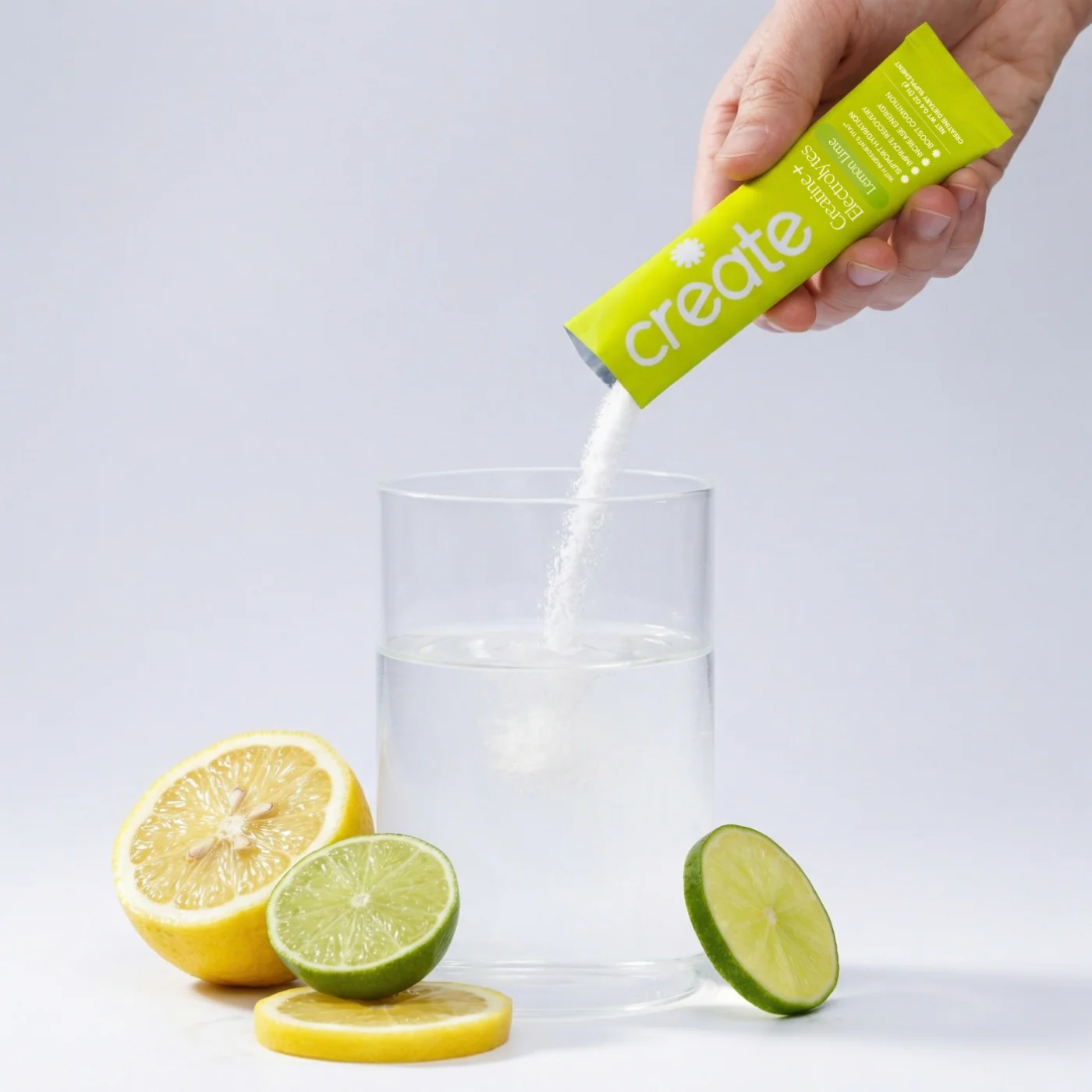
Dosage: 5 grams
Cost Per Serving: $1.20
Habit stacking is a beautiful thing. If you already sip electrolytes every morning, swapping them for Create's electrolyte blend is one of the easiest ways to remember your daily creatine. It comes in watermelon, passionfruit, and lemon-lime, but I love all the flavors so much that I recommend the variety pack.
We like
We don't like
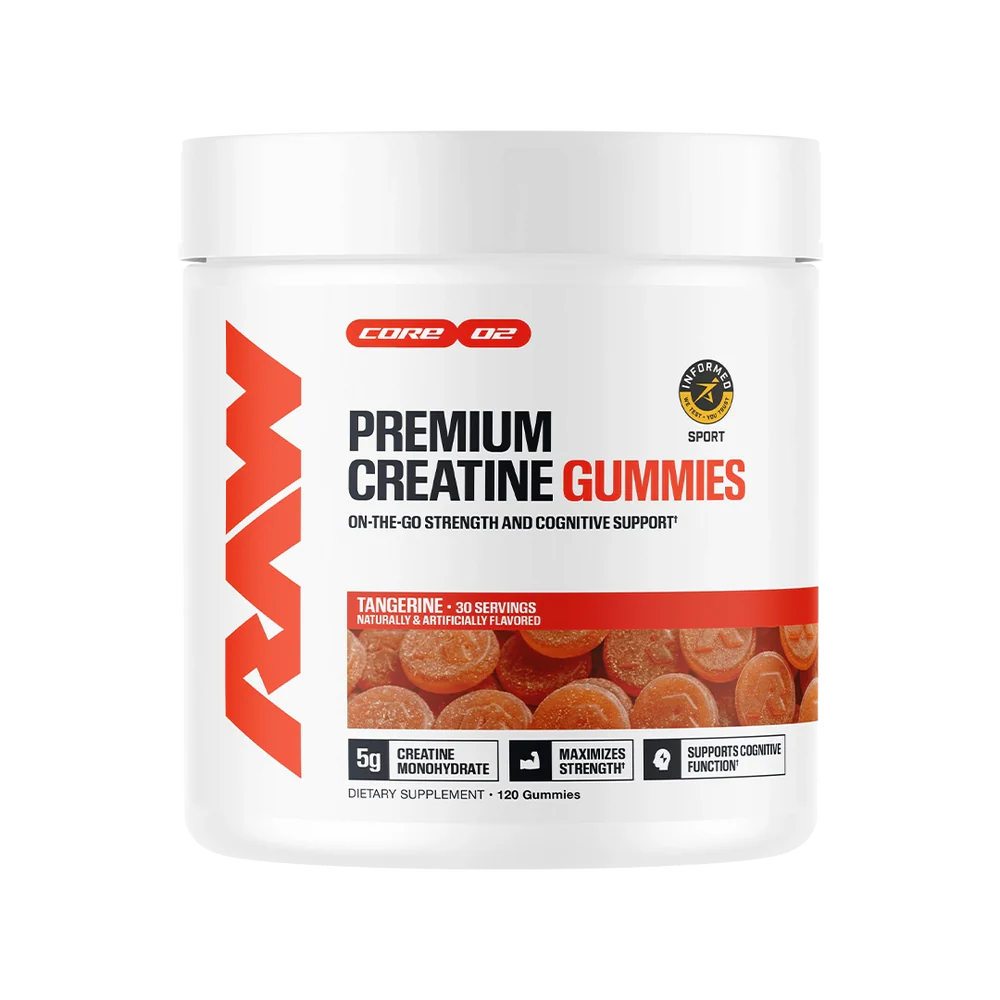
Dosage: 5 grams (in 4 gummies)
Cost Per Serving: $1.33
These were our favorite creatine gummies for women that we tested, and RAW undergoes third party testing to verify creatine potency and ensure that you’re getting the proper dose per serving. Don’t expect the sour watermelon flavor to taste like your fav gas station snacks, but they’re still good.
We like
We don't like
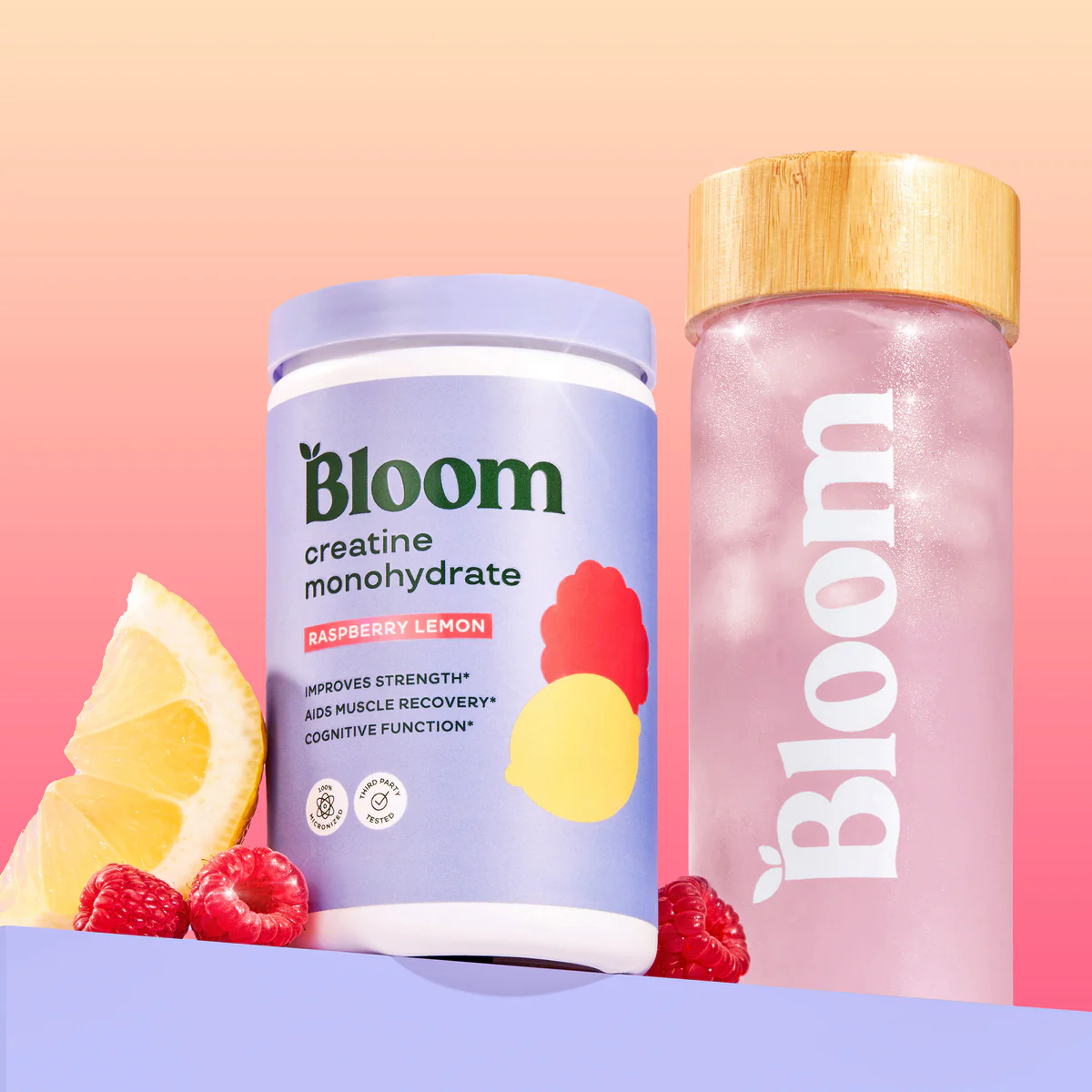
Dosage: 5 grams
Cost Per Serving: $0.50
If you need something flavored to keep consistent with creatine, Bloom has a raspberry lemonade creatine powder that tastes similar to the brand’s popular energy drink. It delivers the classic dosage—5g—of creatine monohydrate and uses stevia as a sweetener.
We like
We don't like
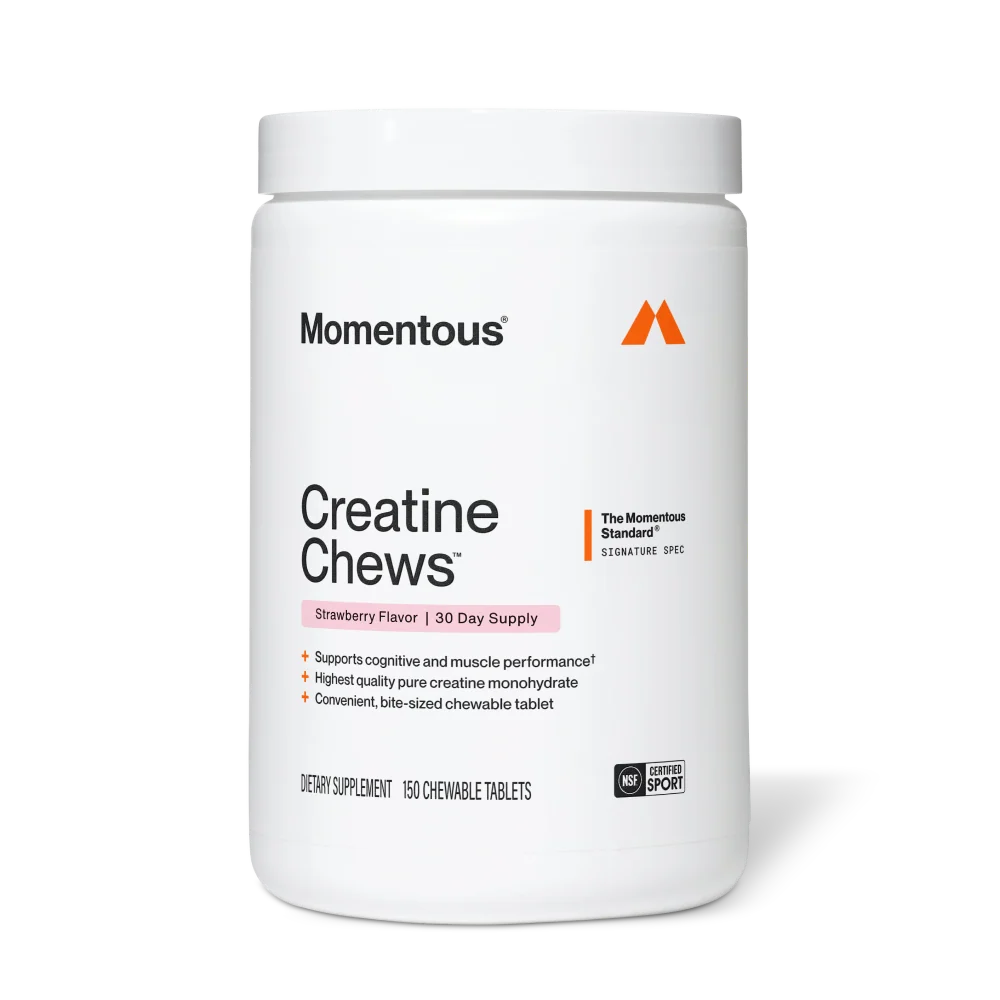
Dosage: 5 grams (in 1 gram chews)
Cost Per Serving: $1.66
Slightly reminiscent of a Tums tablet but not unpleasant, Momentous’ creatine chews are an interesting and travel friendly way to get your creatine. Because creatine gradually degrades when it's dissolved in water, these chews are dry-pressed (unlike a gummy), helping the creatine remain stable until you eat them.
We like
We don't like
FAQs
Does creatine make women bulky?
No. Creatine doesn't build muscle on its own, and it won’t make you suddenly look bulky. Any increases in muscle come from months to years of consistent resistance training. If you pair creatine with strength training, it can help you build lean muscle and get stronger over time a bit faster.
Some women do notice a slight increase in water retention when they first start taking creatine because it pulls water into your muscle cells (this is essential for it to work.) That's different from getting bulky or gaining body fat.
What is the best time to take creatine?
Some researchers recommend taking creatine directly before or after a workout to get the best results for muscle growth. If your goals are building lean muscle mass, you may want to take creatine in the few hour window surrounding your workout. If you’re taking creatine for general and brain health benefits, you can take creatine at any time of day.
What is the best creatine for women over 40?
The best type of creatine for women over 40 is still creatine monohydrate. Age doesn't change which form has the strongest evidence behind it. Choose the product you'll take consistently and make sure it's third-party tested.