


We like
We don't like
Our team is dedicated to finding and telling you more about the web’s best products. If you purchase through our links, we may receive a commission. Our editorial team is independent and only endorses products we believe in.
You know all about “clean” beauty. While there is no FDA-approved criteria for what makes a brand or product “clean,” there are websites creating standards for it and whole sections of your favorite retailers dedicated to it. Today more than ever, we’re eating organic and banishing harmful chemicals in our food. But what about “clean” clothing? If skin is our largest organ, then shouldn’t we be paying attention to what sits next to it?
“We’ve become incredibly thoughtful about what we put in our bodies — but we don’t always think about what we put on them,” says Pact President, Michelle Poole. “Conventional cotton is one of the most chemically treated crops in the world, and many synthetic fabrics contain petroleum-based fibers, chemical finishes, and dyes that sit against your skin for hours at a time.”
Poole explains that organic cotton eliminates toxic pesticides in farming and significantly reduces harmful chemical inputs in processing, creating a cleaner supply chain overall. “Organic cotton is breathable, soft, and supportive to the body. We often call it ‘skincare you wear’ because it’s a quiet but meaningful upgrade to your daily routine.”
Pact has been a leader in this space for years, and charges forward with a simple belief: the clothes people wear every day shouldn’t come with compromises — not for their bodies, not for the people who make them, and not for the planet. “From day one, we committed to organic cotton and Fair Trade production,” says Poole.
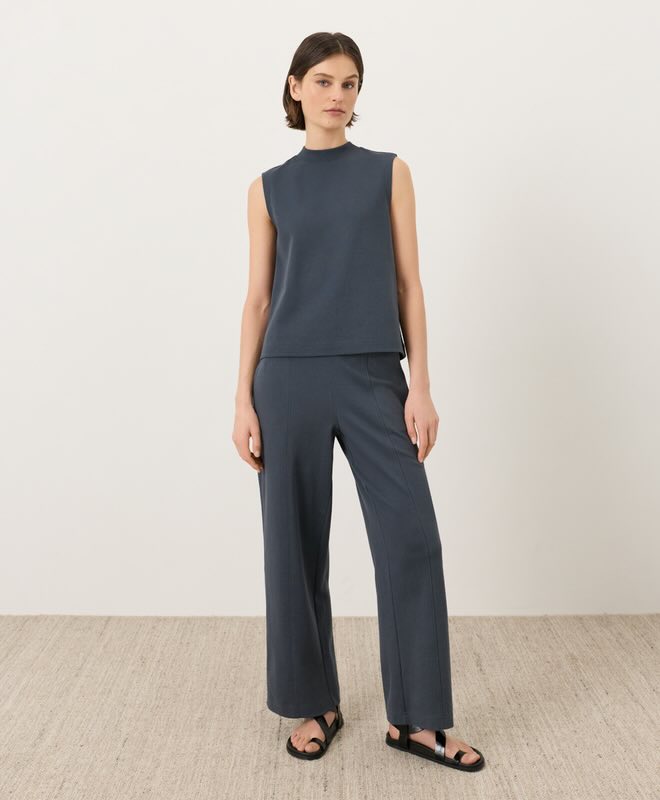
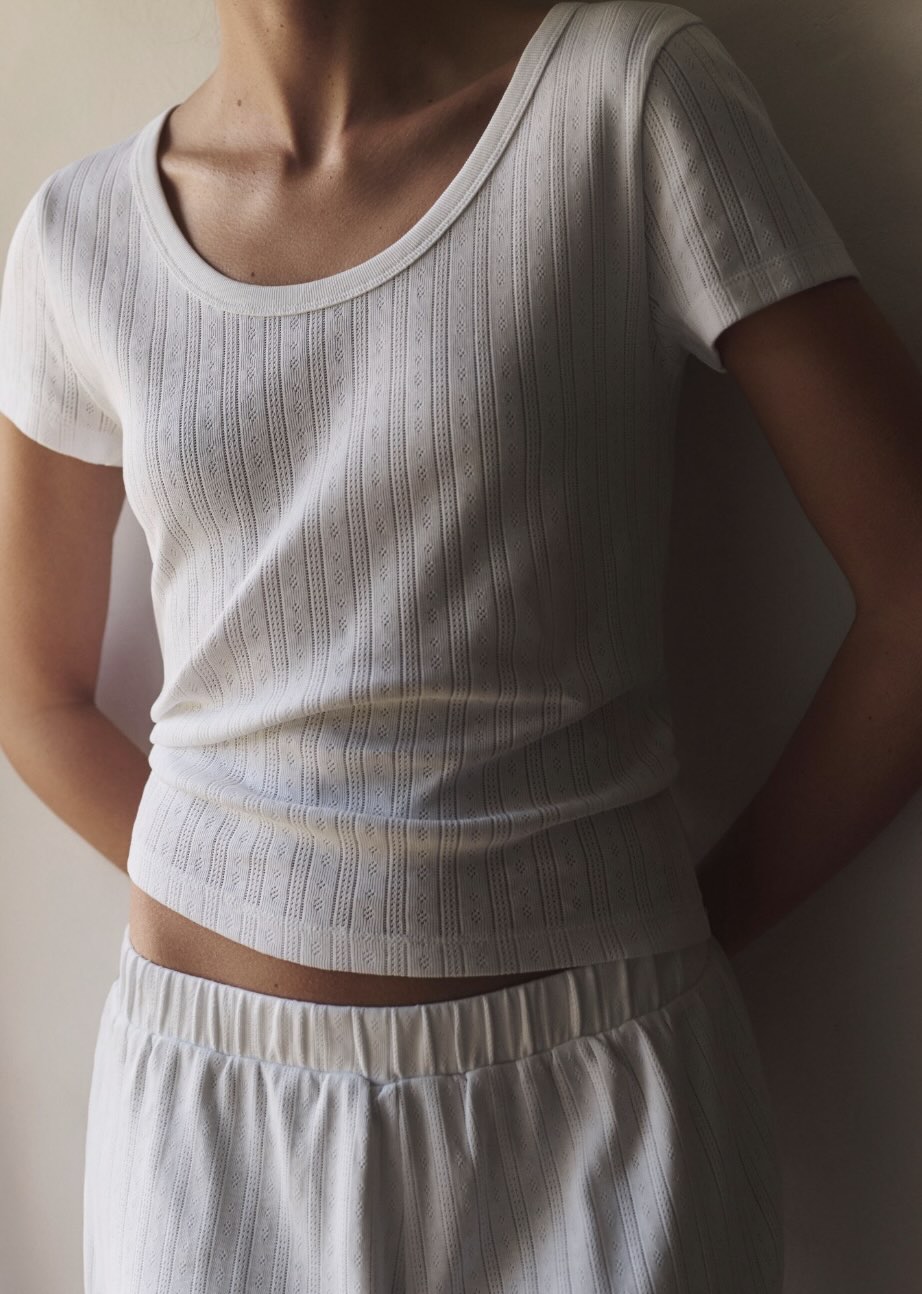
I’ve incorporated some Pact basics into my everyday wardrobe, including the Essential Tank, these Airplane Sets, and this lightweight yet cozy Sleep Set. Wearing them feels like a sigh of relief — they’re soft and comfortable, but I also like knowing they were made intentionally. But Poole also stresses that not all “organic” clothing is created equal.
“A brand can use organic cotton fiber but still rely on harsh dyes, chemical finishes, or unclear labor practices in the rest of the process,” says Poole. Pact focuses on GOTS certification, which verifies the entire journey — from how the cotton is grown to how it’s processed and sewn (and is considered the gold standard for organic textiles). “It restricts toxic inputs, requires environmental responsibility, and enforces strong social criteria.”
Beyond cotton, Poole encourages people to reconsider how often they’re wearing synthetic-heavy activewear outside of performance settings. “Many conventional performance fabrics are petroleum-based and treated with chemical finishes, including PFAS. For everyday life, breathable natural fibers can often perform beautifully without those inputs.” (For example, their organic On-The-Go-To legging has over 4,000 5-star reviews.)
Rinse and Repeat
Now before you go swapping everything in your closet, Dr. Maral Malekzadeh, Board-Certified Gynecologist & Co-Owner of The Well Westlake, explains that there is some nuance.
Malekzadeh says it’s true that PFAS are persistent endocrine-disrupting chemicals associated with alterations in thyroid function, reproductive health, and metabolic parameters, and that “mechanistic data supports hormonal interference.” But she also says that human evidence is “largely observational, with modest effect sizes at the individual level.”
She explains that, while textiles may contain residues from dyes and finishing agents (e.g., formaldehyde, PFAS), dermal absorption is a relatively minor exposure pathway compared to diet and indoor dust. She recommends focusing less on the type of fabric and more on reducing exposure to chemical treatments.

“A good place to start is by washing new clothing before wearing it, as this can help remove residual dyes and finishing agents. It’s also helpful to avoid garments labeled as stain-resistant, wrinkle-free, or water-repellent, as these often rely on added chemical coatings. Additionally, try to limit clothing with antimicrobial treatments, which are designed to inhibit bacteria but can introduce unnecessary chemical exposure with regular wear.”
She shares that high-contact items, like underwear, may slightly increase absorption, which echoes Poole’s recommendation to first examine your “next-to-skin” layers when evaluating how to clean up your closet.
“Underwear, tees, tanks, sleepwear, leggings — these are the pieces that sit closest to your body and are worn most frequently, so upgrading to organic fabrics there is a simple, high-impact shift. It’s not about fear or perfection. It’s about awareness,” Poole says. “It’s about making small upgrades over time.”
Where To Shop
While every company does it a bit differently, I love that these brands are making efforts to clean up their production, as well as their materials, while making comfortable and stylish pieces for everyday living.
Kent

This brand has quickly become one of my favorites for everyday essentials. (The Sleep Tee and Crop Top are my go-tos.) They make 100% plastic-free underwear and essentials with breathable, GOTS-certified organic Supima cotton — no elastane, synthetic blends, or chemical finishes. What’s really cool is that every item is fully compostable, which is pretty incredible since underwear can’t be donated or resold. On April 17, they’re launching the Undyed Collection, a capsule of men’s and women’s underwear and basics in their natural color, Sand.
MATE THE LABEL
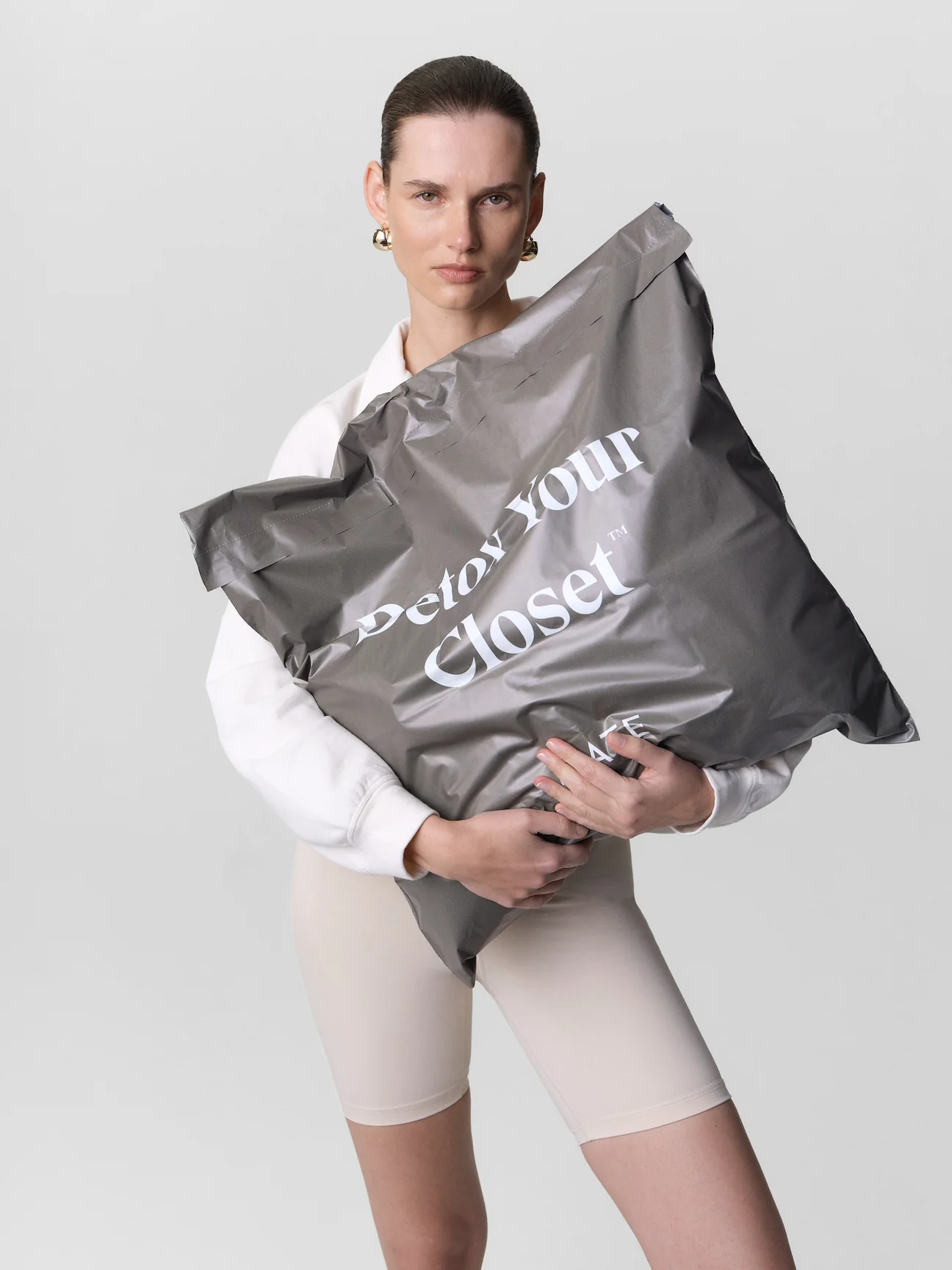
In addition to making soft and stylish essentials, this Climate Neutral, GOTS-certified, and B Corp company uses organic materials and non-toxic dyes. They eliminated all plastic in labels and packaging, and their activewear, MOVE by MATE, only uses 8% spandex (significantly less synthetic fibers than typical activewear) — no polyester, nylon, or polyamide. They also have the Detox Your Closet Program, where you can ship any unwanted styles from your closet (from any brand!) using a "Take Back Bag" and receive a $20 MATE shopping credit in return. I’ve been loving their Regenerative Hemp Muscle Tank and Organic Waffle Crew Top and Sweatpants and next up I’ll be trying a sleep set.
Everlane

Everlane makes a lot of products, which can feel counterintuitive to sustainability, but I appreciate that the brand values transparency in their sustainability initiatives. They use organic, regenerative, farm-traceable or recycled cotton; natural fibers like linen and hemp; and man-made cellulosic fibers (MMCFs), which are considered a regenerated fiber source because they come from the dissolved pump of trees. These MMCFs are materials such as viscose, lyocell, modal, and acetate. On each product page, just click the “Materials & Care” section to learn more about how the fabric aligns with their clean and sustainability efforts. I’m a huge fan of Everlane jeans for their fit and variety of styles, and love that they offer styles that put a subtle twist on everyday essentials.
SUBSET
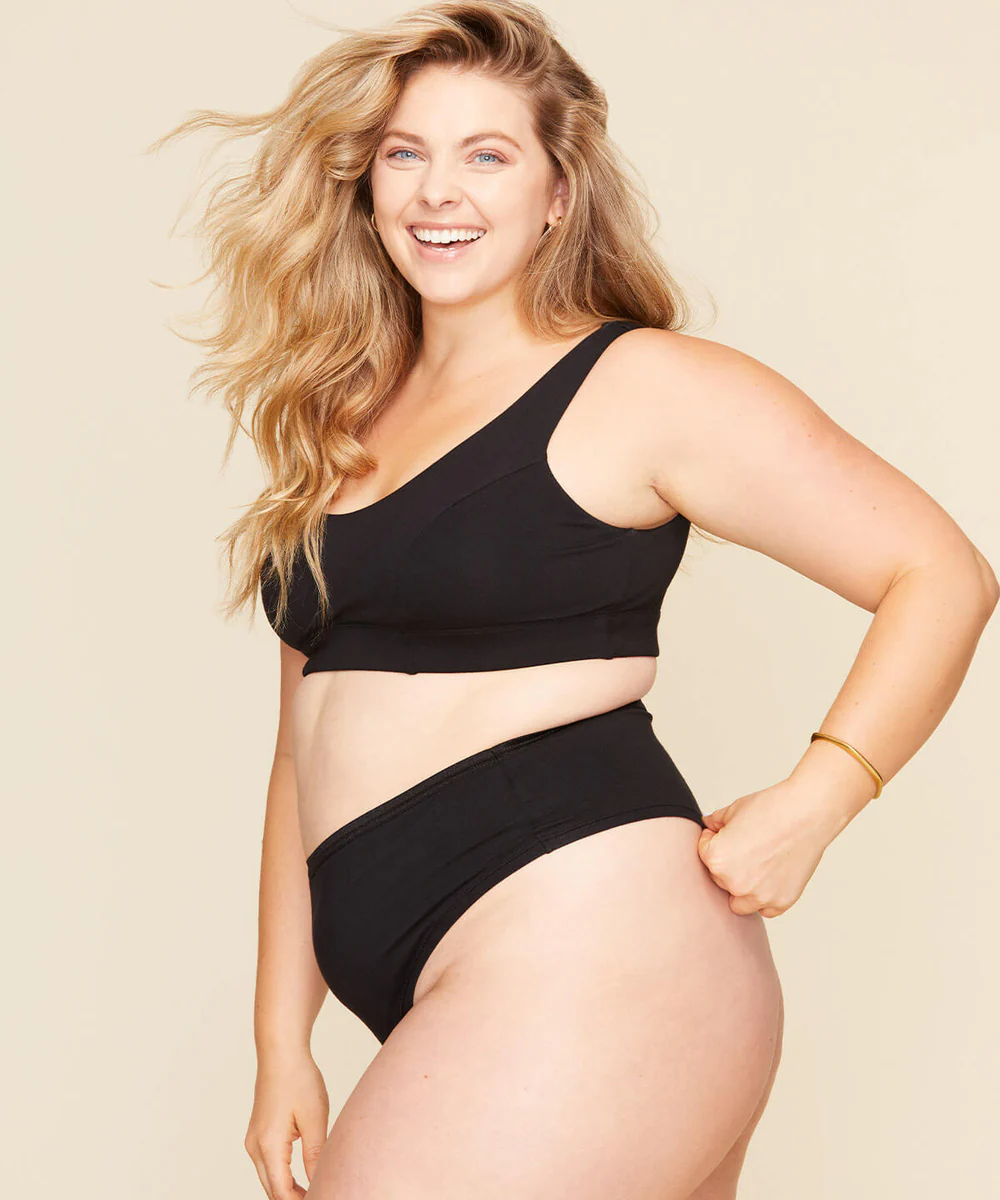
This certified-sustainable brand was one of the first I stumbled upon when I began my search for cleaner cotton underwear, and they’ve yet to disappoint. Made from organic cotton, these fits are snug but stretchy, offer a variety of colors, and the fabrics hold up well wash after wash. The company holds multiple certifications including Global Organic Textile Standard, Oeko-Tex, Fair Trade International, and Forest Stewardship Council seals. I also love that Subset offers a recycling program through Trashie, since, as we mentioned earlier, it’s difficult to know what to do with old underwear.
Quince

While not everything available on Quince is “clean” or made from natural and organic fabrics, I love that they offer plenty of clean options in Men, Women, Home, and especially, Kids — particularly when it comes to children’s underwear and other next-to-skin layers like camisoles and all-day dresses. While I’m happy to shop budget finds and use hand-me-downs for the kids, I love that I can buy organic cotton bundles, basics, and seasonal favorites (for all of us!) that look chic and won’t break the bank.
CHRISTY DAWN

Everyday basics are well and good, but I’m also a print gal who loves a cottagecore dress. Christy Dawn has long been known for their commitment to the planet through their use of organic and regenerative cotton, limited editions, and repurposing of deadstock fabrics. While their pieces aren’t exactly cheap, they are well-made, good to your body and the planet, and meant to last — and if you find you’re ready to move on from a Christy Dawn piece, you can sell it back through their pre-loved program to help keep clothes out of landfills.
What to do now
Before you go overhauling your wardrobe — which sounds overwhelming and financially unrealistic for most of us — Poole suggests thinking holistically and keeping it simple moving forward:
- Choose fewer, better-made pieces
- Read fabric labels the way you read ingredient labels—and look for GOTS certification
- Wash in cold water and air dry when possible
- Repair, resell, or donate responsibly
- Support brands that are transparent about sourcing and labor practices
I love selling on Poshmark as I sift through the clothes I’ve outgrown (physically and emotionally), and have been taking advantage of Trashie bags. I also appreciate that brands like Pact are taking the initiative to partner with ThredUp. It’s a solutions-oriented approach that feels so important at a time when most of us are feeling overwhelmed and need simple, actionable ways to make change.
I’ve also adopted cleaner practices at home and appreciate that I don’t have to sacrifice aesthetics to do so. Toxic-free evolvetogether hand soap, formulated without EU-26 allergens, parabens, PEGS, phthalates, silicones, sulfates, or talcs, comes in a sleek glass bottle for refills. In our bedrooms, we use Sans Air Purifiers, and when it comes to cleaning supplies, we’re a full-blown Blueland house now. For sleep, Sierra Dreams has quickly become one of my favorite bedding brands for their high standards in organic materials and elevated aesthetic. I even switched to natural deodorant last year (still getting used to that).
For my kids, I’m opting for shampoo and body care with fewer, simpler ingredients like Dabble & Dollop, SEEN, or Dr. Max’s, which uses all-natural, organic ingredients in physician-curated formulas and is made without parabens, phthalates, sulfates, petroleum, plastics, preservatives, and synthetic fragrances or dyes. We’ve been using plastic- and chlorine-free Kudos diapers; organic, non-GMO Cerebelly bars; cleaner vitamins like Hiya and Mary Ruth’s Organic; and Genexa medication, which uses natural and organic ingredients when possible, has no artificial additives, and is certified gluten free.
All this change didn’t happen at once, but slowly we’re trying to cut the crap from our clothes, skin care, and cleaning essentials. We can’t control everything, but we can change what we bring into our home.
“Wellness doesn’t require perfection, just intention and consistency,” says Poole. If you do one thing today, Poole recommends starting small and being practical. “Pick one category—denim, tees, workout clothes—and pull everything out. If you haven’t worn it in the last year, it’s probably time to let it go. Clearing out [the clothes you don’t wear] creates breathing room—physically and mentally— and helps you actually see what you have. From there, pass along those pieces responsibly.”


